

35 Ugandans sue Kenya for their unlawful arrest and deportation to Uganda

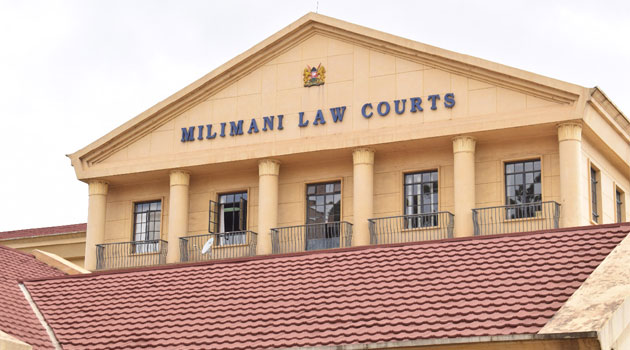
Thirty-five Ugandan nationals affiliated with the opposition Forum for Democratic Change (FDC) party have sued the Kenyan government, accusing it of unlawful arrest, assault, and forcible deportation to Uganda.
In a petition filed before the High Court in Nairobi, the Ugandans have named the Inspector General of Police, the Cabinet Secretary for Interior and National Administration, the Director-General of Immigration Services, and the Attorney General as respondents.
The petitioners claim they lawfully travelled to Kenya on July 23, 2024, to attend a seven-day leadership training at Ukweli Pastoral Centre in Kisumu County, but were attacked in the middle of the night by armed men allegedly drawn from both Kenyan and Ugandan security forces.
They allege that the officers forcibly broke into their rooms, beat them up, and drove them to Uganda without due process.
Once across the border, they were allegedly handed over to Ugandan authorities and later charged in Kampala with terrorism-related offences.
Court documents state that one of the petitioners, Simon Rutarondwa, was a recognized refugee residing in Kenya under the Refugee Act, 2021, at the time of his arrest and should therefore have been protected from being returned to Uganda under the principle of non-refoulement.
The group argues that their arrest and deportation were carried out without warrants, court orders, or extradition proceedings, violating their constitutional rights under Articles 28, 29, 39, 47, and 49 of the Kenyan Constitution.
They want the court to declare the actions of the Kenyan authorities illegal and unconstitutional, issue a permanent injunction stopping any future removal of the 2nd petitioner from Kenya, and award them general damages for violation of their rights.
The Ugandans also seek an order compelling the State to pay them compensation with interest and any other reliefs the court may deem fit.
“The petitioners, having been in Kenya lawfully, they were subject to the protection guaranteed by the constitution and the laws of Kenya. They were to be treated as mandated by the constitution and laws of Kenya since their rights were recognised and protected by the constitution and in particular, the Bill of Rights,” read the court documents.