

8 Tips to Evaluate LMS Pricing Costs

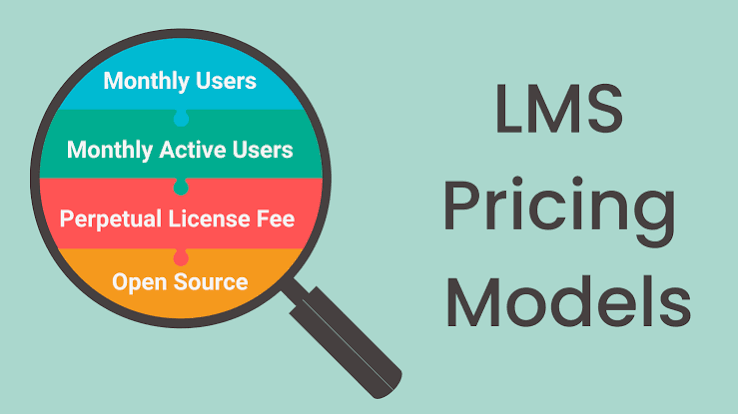
Learning platform pricing rarely reflects the full financial picture at first glance. Initial quotes can omit service hours, storage caps, reporting access, or future user growth. A careful review helps buyers compare offers on clinical, measurable terms rather than sales language. Clear cost checks also reduce budgeting strain, limit contract friction, and support a steadier training plan. That discipline protects both program quality and long-term spending control.
Start With Public Benchmarks
A price review gains strength when buyers collect outside reference points before any sales discussion begins. Public listings, independent reviews, and category directories help frame a realistic budget range. Teams that study LearnUpon pricing can compare the listed entry costs, trial availability, and charging methods, making it easier to assess later vendor quotes against similar tools.
Count Active Learners
User volume shapes the entire budget, so the first estimate must reflect real participation. Many organizations train only selected groups each quarter, while others teach the full workforce every month. That distinction changes cost expectations quickly. A precise learner count also reveals whether active-user billing, named seats, or annual enrollment bands fit the training rhythm more accurately.
Price Support Needs
Support terms often change annual spending more than the subscription itself does. One vendor may include administrator guidance, response targets, and launch assistance, while another treats those items as separate services. Buyers should define expected support before comparing proposals. A lower entry figure loses appeal if urgent requests, system questions, or staff training each trigger an added charge later.
Review Setup Fees
Implementation expenses deserve a separate line on every evaluation sheet. Data migration, branding adjustments, user mapping, and administrator instruction may appear only once, yet they affect first-year affordability. Some vendors absorb part of that work, while others bill by task or hour. A fair review separates recurring subscription charges from launch expenses so the numbers remain easier to interpret.
Inspect Content Limits
Storage rules can alter long-term affordability once course libraries begin to expand. Video files, downloadable documents, and repeated uploads often increase space demands faster than expected. Buyers should ask about hosting caps, media restrictions, and overage fees before signing. Those details show whether the quoted rate still holds after a training program moves from the pilot phase into daily use.
Check Reporting Depth
Reporting access can determine whether a platform supports oversight, accreditation, or compliance needs. Basic dashboards may suit a small internal program, yet regulated settings often require completion evidence, audit trails, and manager-level visibility. If those functions sit inside a higher tier, the usable price rises immediately. A sound review links reporting needs with governance duties and leadership expectations.
Compare Renewal Terms
Contract language deserves the same scrutiny as the opening quote. Annual price increases, automatic renewal clauses, and narrow notice windows can turn an acceptable first-year offer into a costly commitment. Buyers should request the renewal formula in writing, then model spending across several years. That exercise exposes contracts that appear reasonable early on but grow sharply with time.
Estimate Growth Costs
A platform should support present demand without punishing healthy expansion. New departments, outside partners, or customer education programs can increase learner volume much faster than early forecasts suggest. Teams need a clear view of how charges shift once usage moves beyond the original band. That forecast helps leaders avoid a low starting rate that becomes difficult to maintain after adoption grows.
Test Integration Value
Integrations may reduce manual work, yet they can introduce separate licensing or service charges. Single sign-on, human resources links, webinar connections, and payment tools each affect labor needs differently. Buyers should compare those costs with the staff time each connection replaces. That practical calculation keeps the review tied to operational benefit rather than a feature list that looks impressive.
Conclusion
A reliable pricing review depends on structure, evidence, and careful reading of contract details. Teams that examine learner counts, support, setup charges, reporting depth, renewal language, and future growth can compare options with far better judgment. Each step converts vague claims into measurable operational impact. With a repeatable method in place, buyers reduce surprise expenses and choose a learning platform that fits both budget limits and training goals.

