


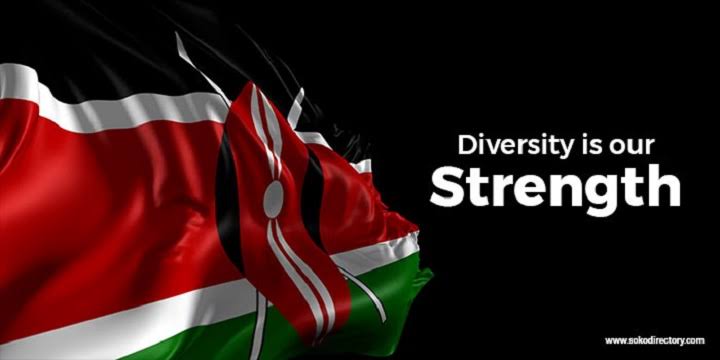
The Constitution of Kenya, 2010, was designed to prevent abuse of power by subjecting the presidency to strong checks and balances through an empowered bicameral Parliament, an independent Judiciary, constitutional commissions, devolved governments, a restructured public service, and a vibrant civil society.
Articles 131 and 132 clearly define the authority and responsibilities of the Head of State and Government. The President is not only the holder of executive power but also the symbol of national unity and the guarantor of human rights, freedoms, and the rule of law. Disagreeing with the President is legitimate; degrading the Presidency is dangerous.
Listening to Citizens, Not Silencing Them
Kenya’s leadership must listen to and act on genuine public concerns. Adopting the broad-based government should be about inclusivity and cohesion and not a tactic to weaken the opposition. Advisors to the President must provide timely, objective counsel that reflects the realities citizens face.
The Finance Bill 2024, and the youth-driven protests that followed, signalled deep frustration over the high cost of living, over-taxation, unemployment, nepotism, and corruption. These grievances largely remain unresolved, and their effects are still felt.
The Rising Threat of Division
Kenya is seeing an unsettling rise in us versus them narratives, tribal prejudice, and open ethnic hostility in workplaces, businesses and online. This is unhealthy for social stability and deters both local and foreign investment.
Here, the National Cohesion and Integration Commission (NCIC) is indispensable. NCIC must be fully supported to monitor inflammatory political rhetoric, foster inter-communal dialogue and lead peacebuilding initiatives. Political leaders, in turn, must refrain from statements likely to inflame divisions along tribal, religious, class, or regional lines. Peace and cohesion are collective responsibilities that must be championed from the top.
Social Media, AI, and Responsibility
With Artificial Intelligence rapidly entering mainstream use and the internet shaping national conversations, social media ethics must be strictly upheld. Kenya’s Computer Misuse and Cybercrimes Act should be updated to address AI misuse, misinformation and online incitement. Digital platforms should be spaces for unity and constructive engagement, not hate speech and hostility.
Unchecked, the toxic exchanges we see online will harm Kenya’s image, deepen divisions, and raise a generation comfortable with virtual hostility over respectful debate.
Everyone Has a Role
Faith leaders, the media, parents, teachers, and youth groups all have a duty to promote unity in diversity and teach ethical values. Respect for constitutional offices especially national security organs under Article 239 is also essential. Criticism is healthy, but it must be factual and evidence-based. Blanket condemnation demoralizes dedicated officers, erodes trust and undermines service delivery.
Reforms with Purpose
Public accountability remains the heartbeat of democracy. Any constitutional changes should make government more responsive, strengthen institutions, and safeguard the rights of all Kenyans. These reforms must be transparent, inclusive, and free from self-serving political agendas.
Kenya’s political leaders, working with NCIC and other institutions, must rise above divisive politics. Unity, peace and cohesion are not optional virtues, they are the foundation on which our democracy and economic progress rest.
If we allow division to grow unchecked, we risk unravelling the gains of our hard-won Constitution. But if we act now with integrity, responsibility and an unwavering commitment to national unity we can build a Kenya where diversity is celebrated, rights are protected and no one is left behind.
By Dennis Wendo
Email: idn.kenya@gmail.com Founder – Integrated Development Network (PBO)
Email your news TIPS to Editor@Kahawatungu.com — this is our only official communication channel
