


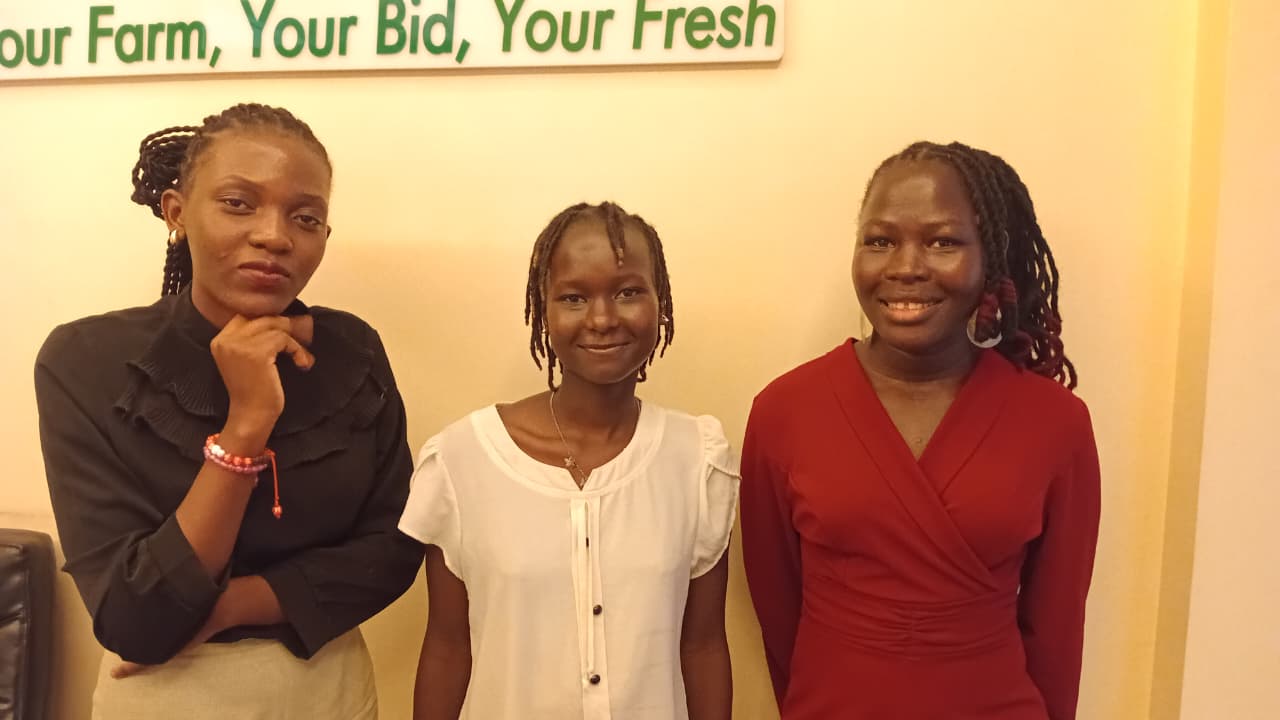
A quiet revolution is sweeping across Kenya and the wider African continent, and it’s being led by a powerful force: young women innovators.
These trailblazers are leveraging technology to build a new generation of agricultural businesses, transforming the lives of smallholder farmers and driving economic growth.
By creating tech-driven solutions that connect farmers directly to markets, they are tackling systemic challenges in the food value chain and ensuring a more sustainable and equitable future.
For decades, African agriculture has faced significant hurdles, including post-harvest losses, limited access to timely information, and a lack of direct market linkages.
Traditional farming methods often leave small-scale farmers, a majority of whom are women, vulnerable to market fluctuations and middlemen who undercut their profits.
However, FarmBid Africa is changing this narrative by harnessing the power of mobile technology, AI, and data analytics to empower farmers, connect them to clients and significantly boost small businesses.
Farm Bid, a Kenyan startup founded in May 2024, is making business accessible to everyone with an innovation that isn’t just about technology; its about empowerment.
“By providing affordable, easy-to-use tools, Farmbid is giving farmers the knowledge and resources they need to make informed decisions and take control of their businesses as well as raising the stakes and positioning Africa as a leading hub for technological advancement in business connectivity,” Sera Rarin, regional manager at Farmbid Africa, says.
Mobile-based and easy to access, Farmbid connects rural farmers directly with urban retailers, restaurants, and schools in across Kenya in a model that not only guarantees farmers a ready market and fair prices but also saves retailers money on transport and ensures the quality of produce.
By cutting out intermediaries, Farmbid has seen farmers’ income increase by more than 35% while also reducing food waste, creating a win-win for both ends of the supply chain.
“Our goal is to bridge the gap between traditional farming and digital economy, ensuring that local grassroots communities can participate in and benefit from the global sales,” Holiness Wakesho, office lead at Farmbid says.
“Basically, our vision is to empower grassroots communities by seamlessly integrating traditional agriculture and cultural heritage with the digital economy.”
She added, “We envision a future where every local farmer and artisan has the opportunity to showcase their products to a global audience through fully customized, virtual shops.”
Driven by the belief that everyone, from market mamas to hardware store owners and home-based businesses, deserve access to the global marketplace, Farmbid provides a convenient and customized online shopping experience that meets the unique needs of local and global customers.
“We are dedicated to reducing barriers to market access, such as location, payment, and security, so that anyone—especially women, youth, and persons with disabilities—can sell online and earn an income,” Brivian Tom, office lead at Farmbid Africa explains.
“By economic empowerment through online entrepreneurship and financial inclusion, we envision Farmbid ecommerce as a one-stop shop where they can find, pay for, and have anything delivered, from agricultural produce, cultural relics to hardware and educational training services. ”
And in a move set to disrupt the traditional financial landscape, Farmbid has pioneered a digital Savings and Credit Cooperative Organization (Sacco) – a new platform powered by cryptocurrency and blockchain technology.
The initiative aims to provide its members with a secure, transparent, and highly efficient way to save and boost their financial standing and is specially powered by Coin Africa.
The Coin Africa-supported Digital Sacco, will utilize a custom-built blockchain to manage its core operations, including savings, loan disbursements, and member records.
This groundbreaking approach is designed to address key challenges faced by conventional SACCOs and financial institutions, such as high transaction fees, slow processing times, and a lack of transparency.
Additionally, members will use a dedicated mobile application to manage their finances; instead of saving in traditional fiat currency, their contributions will be converted and held in a stablecoin—a type of cryptocurrency pegged to a stable asset like the US dollar or local currency—to mitigate volatility ensuring the value of their savings remains stable while still benefiting from the speed and security of blockchain technology.
“Our goal is to leverage the power of blockchain to create a financial system that is not only more efficient but also more equitable for our members,” said Brivian Tom.
“By using a digital ledger, every transaction is immutably recorded, providing a level of transparency and trust that is simply not possible with traditional systems.”
Email your news TIPS to Editor@Kahawatungu.com — this is our only official communication channel
