


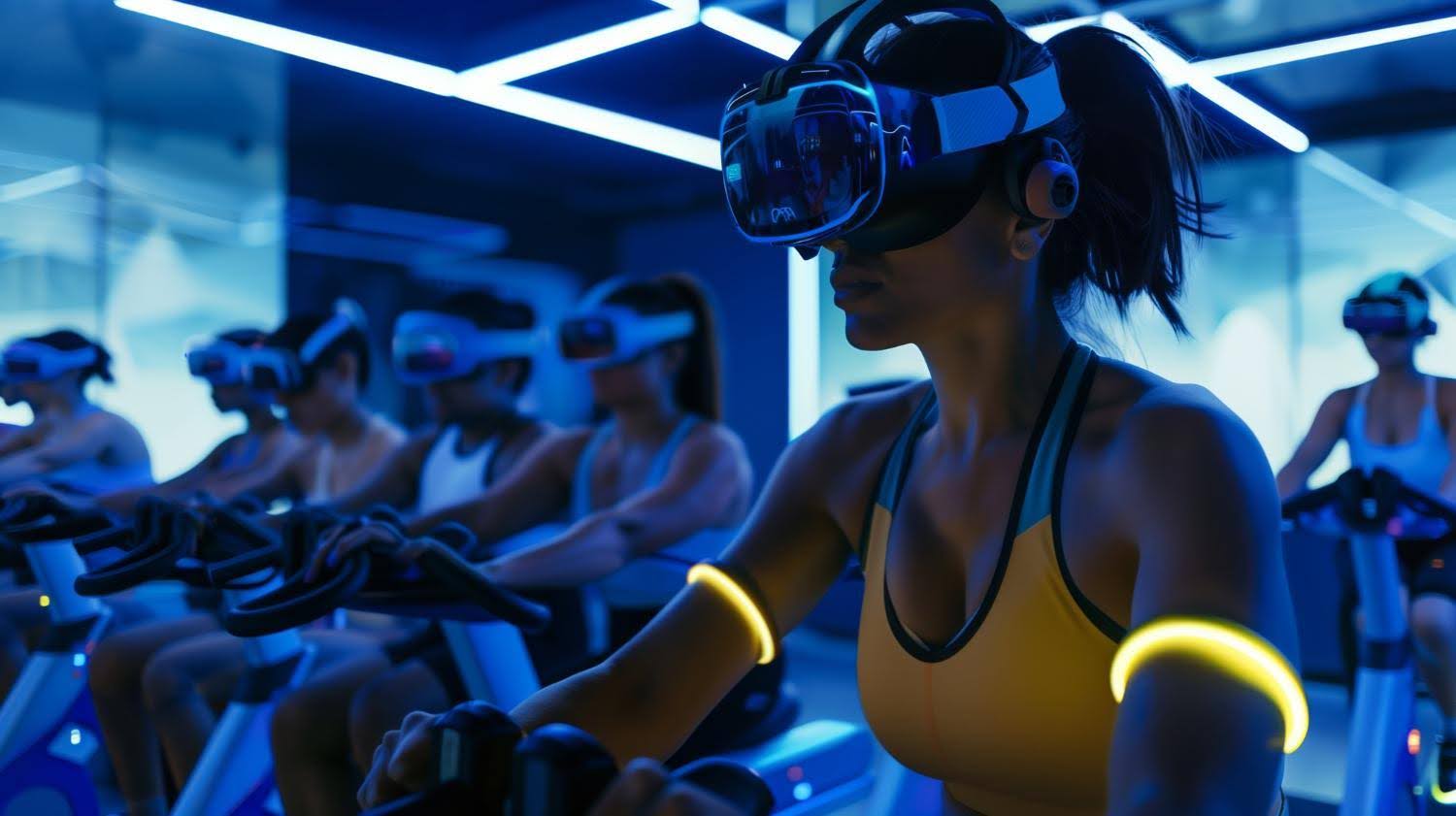
A decade ago, the idea of playing golf, football, or racing indoors might have sounded futuristic. Today, it’s becoming a regular part of urban life, from Nairobi to Lagos, Accra, and Johannesburg. Rising real estate costs, unpredictable weather, and evolving technology are driving a new wave of indoor and virtual sports culture across Africa’s major cities.
Globally, the boom in indoor sports retail and simulation platforms, such as Indoor Golf Outlet, shows how leisure and technology are merging. African cities are now catching up fast, adapting these models to their own vibrant, youthful markets that crave both recreation and innovation.
The Urban Shift Toward Indoor Leisure
African cities are changing quickly. As more people move into urban centers, public space becomes scarce, and outdoor recreation faces growing challenges, limited land, congestion, and pollution among them. Indoor sports offer a solution: climate-controlled environments, safety, and year-round accessibility.
In Nairobi, for example, urban planners note that private gyms, climbing walls, and golf simulators are filling the void left by shrinking open spaces. The result is a booming micro-economy of urban leisure, where people no longer depend on weather or daylight to stay active.
Virtual reality (VR) and augmented reality (AR) technology have accelerated this transformation. From immersive cycling studios to virtual driving simulators, fitness now blends physical and digital experience, making it both more interactive and accessible to the tech-savvy urban generation.
The Technology Behind the Trend
The global rise of “connected fitness” has found new expression in Africa’s growing middle class. Affordable smart devices, stable internet connections, and digital payment systems have made it easier for people to access subscription-based fitness or simulation platforms.
Golf simulators, for example, have evolved from bulky, expensive systems to compact, software-driven setups that can be installed in malls or even homes. This democratization of sports tech mirrors the digital transformation happening across Africa, where mobile-first innovation drives everything from banking to entertainment.
Kenya’s tech hubs have already begun experimenting with VR and motion-sensor gaming for local markets. Startups in Nigeria and South Africa are exploring partnerships with fitness centers to integrate digital coaching, tracking, and gamified challenges. These hybrid spaces combine social interaction with data-driven performance, a model that resonates with younger consumers seeking both fun and measurable progress.
Health, Lifestyle, and Accessibility
According to the World Health Organization (WHO), nearly 1.4 billion adults worldwide are insufficiently active, a figure that continues to rise in urban environments where commuting and sedentary jobs dominate daily life. Indoor sports help bridge that gap, providing convenient access to physical activity even in dense cities.
In Africa, where weather conditions and infrastructure can make outdoor exercise challenging, indoor alternatives are a game changer. High temperatures, seasonal rains, or safety concerns often discourage people from jogging or cycling outdoors. Indoor fitness studios, simulation lounges, and esports arenas give them consistent options, all within urban reach.
The appeal also extends to families. Parents in Nairobi, Kampala, or Lusaka are increasingly seeking safe, structured environments for kids to stay active. Indoor arenas and virtual training centers cater to that need, blending education, health, and play in one accessible package.
Economic Opportunity and the Rise of Local Innovation
The rise of indoor sports isn’t just a lifestyle trend, it’s a business opportunity. Real estate developers are carving out sections of malls and mixed-use spaces for entertainment and fitness facilities. Entrepreneurs are importing VR kits, building local gaming hubs, or even designing custom apps for African audiences.
Some have begun adapting existing sports into hybrid indoor formats. In Ghana, small-scale football arenas with synthetic turf and covered roofs are popping up, while in South Africa, cricket simulators are drawing both amateurs and professionals looking to refine their skills off-season.
Meanwhile, hospitality brands are catching on. Hotels and resorts now market “indoor recreation packages” that include virtual driving, e-gaming, and golf simulation, amenities once considered luxuries but now seen as essentials for an experience-driven clientele.
This growing ecosystem mirrors the global indoor entertainment movement, but with a distinctly African touch: locally developed content, lower-cost technology, and community-driven entrepreneurship.
The Role of E-Sports and Competitive Gaming
Another key driver behind the indoor sports boom is the rapid rise of e-sports. What began as casual gaming has evolved into organized tournaments attracting sponsorships, spectators, and even betting revenue. Africa’s e-sports scene, led by hubs in Kenya, Nigeria, and South Africa, has become a legitimate industry that blends tech, youth culture, and sport.
As internet speeds improve and access to gaming PCs and consoles expands, e-sports is becoming the “indoor arena” of the digital age. For younger demographics, it’s both entertainment and aspiration, offering competition, community, and in some cases, careers.
Interestingly, this cultural shift has inspired crossover concepts: indoor spaces that combine physical simulation (like driving or golf) with gaming environments. It’s where leisure, technology, and athleticism intersect, the future of sports reimagined for the screen generation.
Challenges and the Road Ahead
Despite the promise, challenges remain. Many African cities lack affordable indoor sports infrastructure, and electricity reliability or import costs can hinder growth. Moreover, while enthusiasm is high, disposable income for recreation is still limited for much of the population.
But where infrastructure lags, innovation fills the gap. Entrepreneurs are building scalable models, small, shared VR pods, pay-per-use simulator booths, and mobile apps that gamify exercise. Public-private partnerships are also emerging to integrate indoor fitness facilities into new housing developments or community centers.
As technology costs drop, the next five years could see widespread access to digital sports experiences, especially among middle-class urban households. The convergence of fitness, entertainment, and technology may soon redefine what “playing a sport” means across the continent.
A New Kind of Recreation
From the golf simulators of Indoor Golf Outlet to the local VR start-ups in Nairobi’s Kilimani district, the indoor sports wave reflects more than just innovation, it’s about inclusion. It’s a reminder that sports and wellness don’t always require open fields or expensive memberships; they simply need creativity and access.
As African cities continue to modernize, virtual and indoor sports will only grow stronger. They represent a balance between urban living and active lifestyles, a blend of technology, health, and community that’s reshaping how Africans move, play, and connect.

Email your news TIPS to Editor@Kahawatungu.com — this is our only official communication channel
