


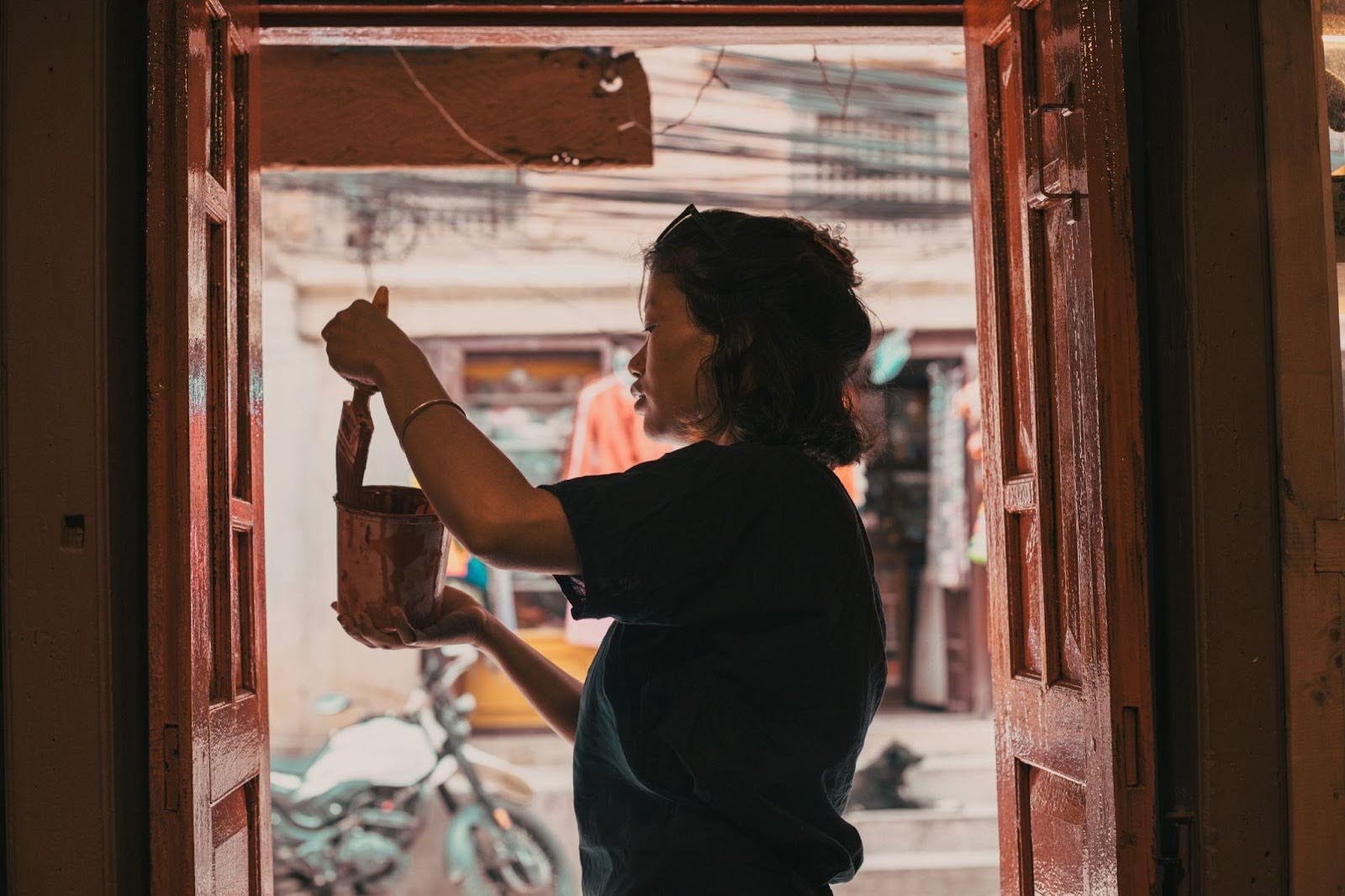
In many African cities today, home improvement looks different than it did just a decade ago. A growing number of young professionals and urban renters are transforming their living spaces through small, cost-friendly upgrades rather than waiting to move into larger or newly furnished homes. From repainting walls to creating multifunctional furniture, the do-it-yourself movement has become a practical response to rising living costs, personal style expression, and the desire for comfort in compact apartments. Even detailed upgrades such as researching where to buy sofa legs online are increasingly common, showing just how deeply personalization has taken hold in modern urban living.
What was once seen as a niche hobby is now influencing interior design markets, local manufacturing, trader communities, and the broader culture of how people engage with their homes.
Economic Shifts Are Driving Practical Creativity
Housing costs in major cities like Nairobi, Lagos, Johannesburg, and Accra have continued to rise faster than wages for many young professionals. Rental apartments, especially in business districts, often offer limited space and standard, non-customizable layouts. Instead of waiting for perfect conditions, many people are choosing to make the most of what they have.
Repainting walls, replacing hardware, refurbishing secondhand furniture, and customizing basic interior elements have become methods of improving aesthetics without major expenses. These projects require minimal tools, can be done gradually, and allow homeowners and renters alike to control how their living space feels.
For many, the DIY approach is not only affordable, it’s empowering.
Social Media Has Accelerated Interior Style Awareness
Visual platforms like Instagram, Pinterest, and TikTok have exposed millions of African users to interior design inspiration from around the world. As global décor aesthetics mix with regional styles, people are experimenting with:
- Minimalist and Scandinavian-inspired layouts
- Bold feature walls and wallpaper patterns
- Locally crafted décor accents
- Upcycled and reclaimed furniture pieces
This exposure has also highlighted the emotional aspect of interior design. Homes are no longer just places to sleep or store belongings, they are extensions of identity. Younger generations, in particular, are using décor to express taste, lifestyle, and personal values.
Home styling has become part of the broader visual culture where people curate not only their clothes and careers but also their spaces.
Local Artisans And Small Workshops Are Benefitting
As DIY culture grows, so does the demand for local craftsmanship. Furniture makers, welders, carpenters, painters, and fabric workers are increasingly partnering with urban consumers who bring personalized ideas rather than requesting pre-made pieces.
This trend is reshaping the informal manufacturing ecosystem:
- Micro-workshops are gaining visibility through social media.
- Designers are collaborating with artisans to produce unique décor lines.
- Consumers are choosing to repair and upgrade instead of discard and replace.
What was once a market dominated by large retail outlets is becoming more diversified and community-driven. The creative economy benefits, and traditional skills are being preserved in modern contexts.
E-Commerce Is Making Materials And Tools More Accessible
Online marketplaces have played a significant role in expanding DIY adoption. Items that were once hard to source, specialized screws, mounting systems, varnishes, brackets, or replacement furniture parts, are now easily available via regional e-commerce platforms and global delivery networks.
Research from the International Trade Centre (ITC) highlights the rapid growth of digital marketplaces across Africa and how they are opening new channels for household and construction goods.
This accessibility has encouraged experimentation and skill-building. The threshold to start a DIY project has never been lower.
Space Constraints Are Encouraging Smarter Design
Urban apartments in African cities are often compact, and efficient use of space has become essential. DIY projects that support multifunctional areas, like living rooms that double as workspaces or kitchens that include fold-down dining tables, are increasingly common.
People are adapting spaces to meet modern needs:
- Wall-mounted storage replaces bulky shelving
- Beds are raised to create under-storage
- Furniture is selected for adaptability rather than size
- Neutral color palettes make spaces feel larger
DIY culture is not only about making things look attractive, it also addresses everyday practical challenges.
Sustainability And Conscious Consumption Are Growing Priorities
Economic realities are not the only factor pushing DIY culture forward. Environmental awareness and waste reduction are influencing consumer habits too. Upcycling, restoring existing furniture instead of buying new, has gained broader acceptance.
Instead of viewing older pieces as disposable, many now see them as opportunities for reinvention. A coat of paint, new upholstery, or a change in hardware can transform something outdated into something stylish and personal. This mindset shift aligns with global movements toward sustainability and resource responsibility.
A Cultural Shift Toward Personal Agency
Perhaps the most significant aspect of the DIY movement in urban Africa is the cultural transformation it reflects. More people are recognizing that they have the ability to shape their environment rather than simply accept it. Whether small or ambitious, these projects foster a sense of ownership, creativity, and stability, even in rented spaces.
DIY culture is ultimately a story of empowerment. It allows individuals to create homes that reflect who they are, rather than just where they live.
The rise of DIY home improvement in urban Africa is more than a design trend, it’s a practical and cultural movement shaped by economics, social influence, and evolving lifestyle values. As cities continue to grow and adapt, personal creativity and resourcefulness are shaping how people build comfort, beauty, and identity within their homes.
This shift shows no signs of slowing down. In fact, it represents the beginning of a broader transformation in how living spaces are imagined and experienced across the continent.
Email your news TIPS to Editor@Kahawatungu.com — this is our only official communication channel
