


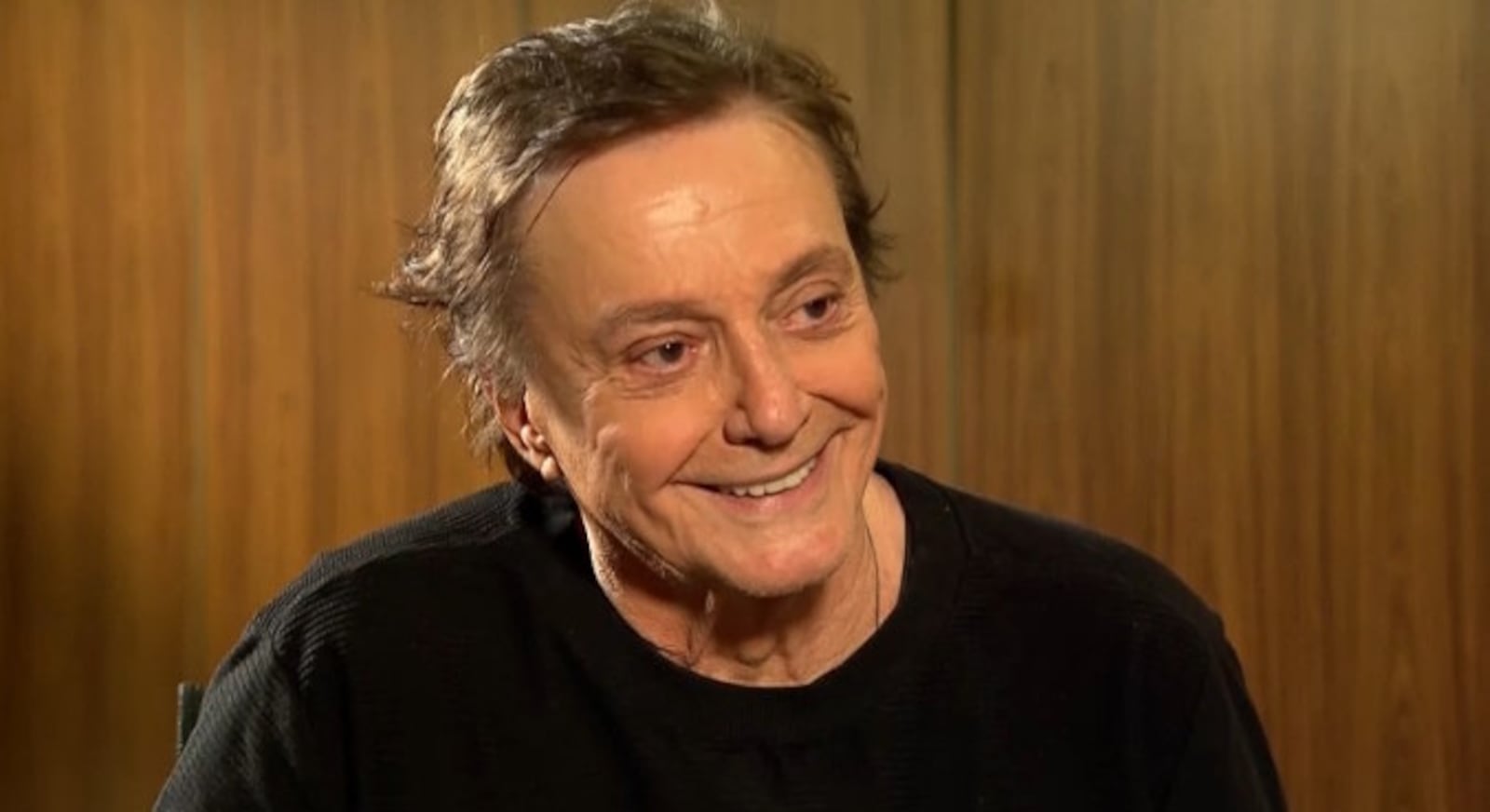
Fábio Jr., whose full name is Fábio Corrêa Ayrosa Galvão, was born on November 21, 1953, in São Paulo, Brazil.
He is a prominent Brazilian singer, songwriter, multi-instrumentalist, and actor, celebrated as one of the nation’s most iconic romantic performers.
Often referred to as a “national heartthrob,” his emotional ballads have resonated across generations, establishing him as a successor to legends like Roberto Carlos in the realm of romantic music.
Siblings
Fábio Jr. grew up in a musical family and began his early performances by forming bands with his brothers during the 1960s, at the height of the Jovem Guarda movement.
These groups, which went by names such as Os Namorados, Bossa 4, and Arco-Íris, appeared on television programs like Mini-Guarda on Rede Bandeirantes and as contestants on Chacrinha’s show.
His younger brother, Heraldo Galvão, also known as Heraldo Corrêa,, shared this early musical path and later pursued a career as an actor, singer, and composer.
Heraldo appeared in television projects and novelas but eventually stepped away from the artistic world to lead a more private life.
Also Read: Harold Reid Siblings: Getting to Know Don Reid
Career
Fábio Jr.’s professional career took off in the late 1960s, initially with English-language recordings under pseudonyms like Uncle Jack and Mark Davis, achieving success with the 1973 hit “Don’t Let Me Cry.”
By the mid-1970s, he adopted his enduring stage name and released his debut Portuguese album in 1976, produced by Paulo Coelho.
His breakthrough came through a blend of music and acting, starring in popular telenovelas such as Cabocla (1979), Água Viva (1980), Louco Amor (1983), Roque Santeiro (1985), and Pedra sobre Pedra (1992), as well as the film Bye Bye Brasil (1979).
In music, he became known for heartfelt romantic songs, including classics like “Pai,” “20 e Poucos Anos,” “Alma Gêmea,” “Só Você,” and the international duet “Sem Limites pra Sonhar” with Bonnie Tyler in 1986, which sold nearly half a million copies in Latin America.
He also enjoyed success recording in Spanish during the 1980s.
Over decades, Fábio Jr. has released numerous studio albums, live recordings, and compilations, hosted television programs, and remained an active performer well into the 21st century.
Accolades
Fábio Jr. has earned recognition for his contributions to music, including the prestigious Antorcha de Plata (Silver Torch) award at the Viña del Mar International Song Festival in Chile in 1987, honoring his Spanish-language career.
He is celebrated as one of Brazil’s top record-selling artists and received the Prêmio Globo for best singer of the year.
In 2007, he was nominated for a Latin Grammy Award in the Best Romantic Music Album category for his work Minhas Canções.

Email your news TIPS to Editor@Kahawatungu.com — this is our only official communication channel
