


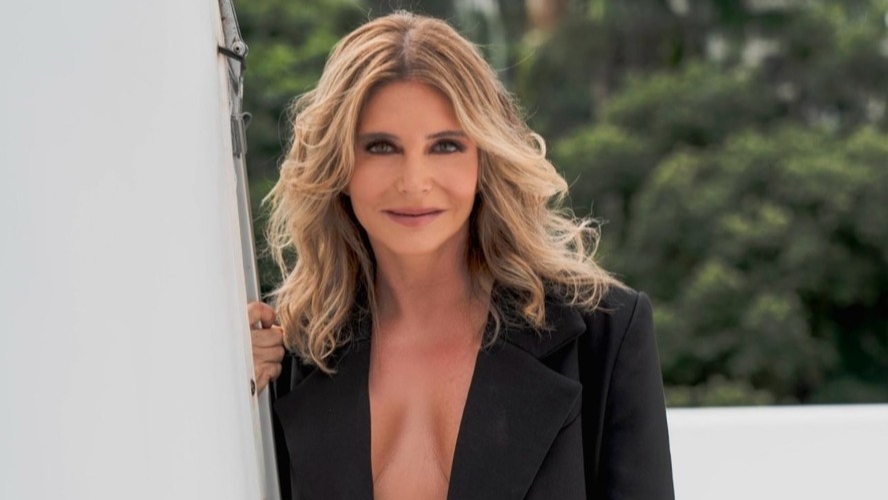
Maria Padilha Gonçalves is a renowned Brazilian actress and producer, born on May 8, 1960, in Rio de Janeiro, Brazil.
She is the daughter of Antar Padilha Gonçalves, a physician, and Maria Noêmia, a history teacher specializing in Brazilian history.
Padilha attended the Escola Americana, where she participated in school theatrical productions, and later trained at prestigious institutions like O Tablado under the guidance of figures such as Maria Clara Machado and Wolf Maya.
Her early exposure to theater through her cousin Gisela further fueled her interest, leading her to study at Colégio Andrews and take specialized courses at Teatro dos Quatro with instructors including Sérgio Britto and Amir Haddad.
Although she briefly enrolled in industrial design at the Universidade do Estado do Rio de Janeiro in 1978, she abandoned those studies the following year to pursue acting full-time.
Siblings
Maria has one sibling, Angela Padilha Gonçalves.
However, not much is known for Angela, including her career and personal life, as she leads a private life compared to her famous sister.
Career
Padilha’s career spans nearly five decades, beginning in 1975 with roles in children’s plays such as Maroquinhas Fru-Fru and Pipocas de Papiro.
She honed her craft through theater classes and quickly became involved in professional productions, founding the influential theater group Pessoal do Despertar in 1979 alongside Miguel Falabella and Paulo Reis.
This group allowed her to act in and produce numerous plays, including standout works like O Despertar da Primavera (1979–1980), Happy End (1981), A Tempestade (1982), and later successes such as A Falecida (1994), As Três Irmãs (1999), and Diários do Abismo (2018).
From 1999 to 2001, she served as artistic director of Teatro Glória in Rio de Janeiro, where she co-produced theatrical projects and organized readings of texts from Brazil’s military dictatorship era.
Also Read: Cláudia Abreu Siblings: Getting to Know Marcia and Rodrigo
In 2003–2004, she collaborated on the innovative project Amor em Tempos de Guerra, staging Shakespearean plays in conflict zones like Vigário Geral and Rocinha to promote peace amid drug-related violence.
Padilha also taught theater at Colégio Andrews, directing student productions of classics by authors like J.B. Priestley and Shakespeare.
Her television debut came in 1980 with the telenovela Água Viva on TV Globo, where she played Beth, launching a prolific TV career that includes memorable roles in series like O Dono do Mundo (1991, as Karen), Anjo Mau (1997, as Stela), O Cravo e a Rosa (2000, as Dinorá), Mulheres Apaixonadas (2003, as Hilda), Lado a Lado (2012, as Diva Celeste), A Regra do Jogo (2015, as Claudine), and more recent appearances in Bom Dia, Verônica (2022) and Justiça 2 (2024).
In film, she made her debut in 1982’s Das Tripas Coração and went on to star in notable movies such as Os Matadores (1997, as Helena), Praça Saens Peña (2008, as Teresa), País do Desejo (2012, as Roberta), and Doce Família (2024).
Beyond acting, Padilha appeared on the cover of Playboy magazine in March 1994, adding to her multifaceted presence in Brazilian entertainment.
Accolades
Early in her trajectory, Padilha won the Troféu Mambembe for Best Actress Revelation in 1980 for O Despertar da Primavera, followed by the same award for Best Actress in 1981 for Happy End and for Best Show in 1982 for A Tempestade with her group Pessoal do Despertar.
In 1994, her performance in A Falecida garnered multiple honors, including the Prêmio SATED/RJ for Best Actress, Prêmio Sharp de Teatro for Best Actress, and Prêmio Shell for Best Actress.
She received nominations for Prêmio Guarani for Best Supporting Actress in 1996 for Sábado and in 1998 for Os Matadores.
In film, she won the Brazilian Film Festival of Miami for Best Actress in 1998 for Os Matadores, the Festival Internacional Cinema de Natal for Best Supporting Actress that same year, and the Troféu Calunga for Best Actress in 2009 for Praça Saens Peña.
Additional nominations include the Prêmio ACIE for Best Actress in 2010 and Prêmio Arte Qualidade Brasil for Best Supporting Actress in a Miniseries in 2010 for Cinquentinha.
In 2012, she took home the Festival Guarnicê de Cinema award for Best Actress for País do Desejo, underscoring her enduring impact on Brazilian arts.
Email your news TIPS to Editor@Kahawatungu.com — this is our only official communication channel
