


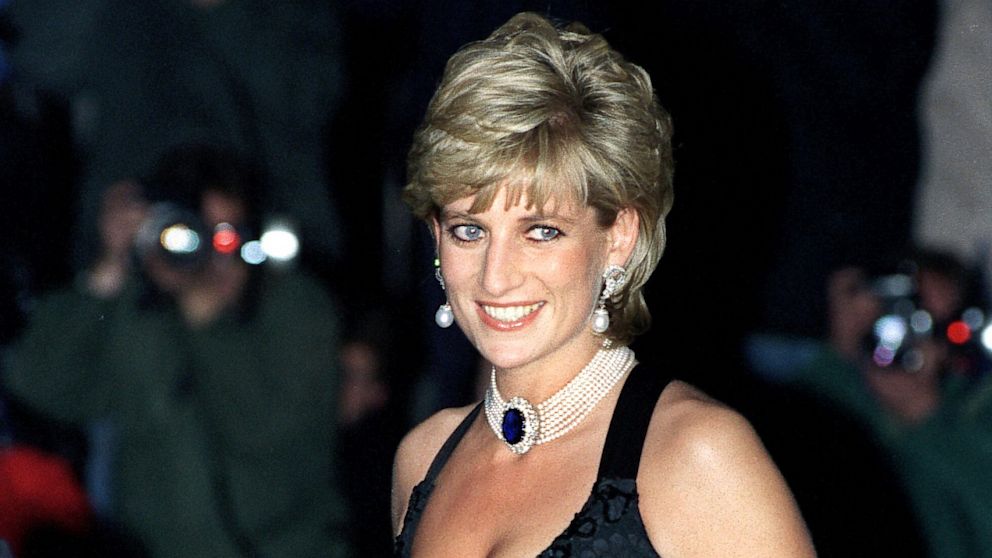
Princess Diana, born Diana Frances Spencer on July 1, 1961, at Park House in Sandringham, Norfolk, England, was a member of the British royal family who became one of the most iconic figures of the 20th century.
She was the fourth child of John Spencer, Viscount Althorp (later the 8th Earl Spencer), and Frances Roche, and grew up in a aristocratic family with deep ties to British nobility.
Diana married Charles, then Prince of Wales, on July 29, 1981, becoming the Princess of Wales and giving birth to their two sons, Prince William in 1982 and Prince Harry in 1984.
Her marriage, however, faced significant challenges, leading to a separation in 1992 and divorce in 1996.
Known for her compassion, style, and humanitarian efforts, Diana used her platform to advocate for causes like AIDS awareness, landmine removal, and children’s welfare, earning her the nickname “the People’s Princess.”
Tragically, she died in a car crash in Paris on August 31, 1997, at the age of 36, leaving behind a legacy that continues to influence philanthropy and public perceptions of royalty.
Siblings
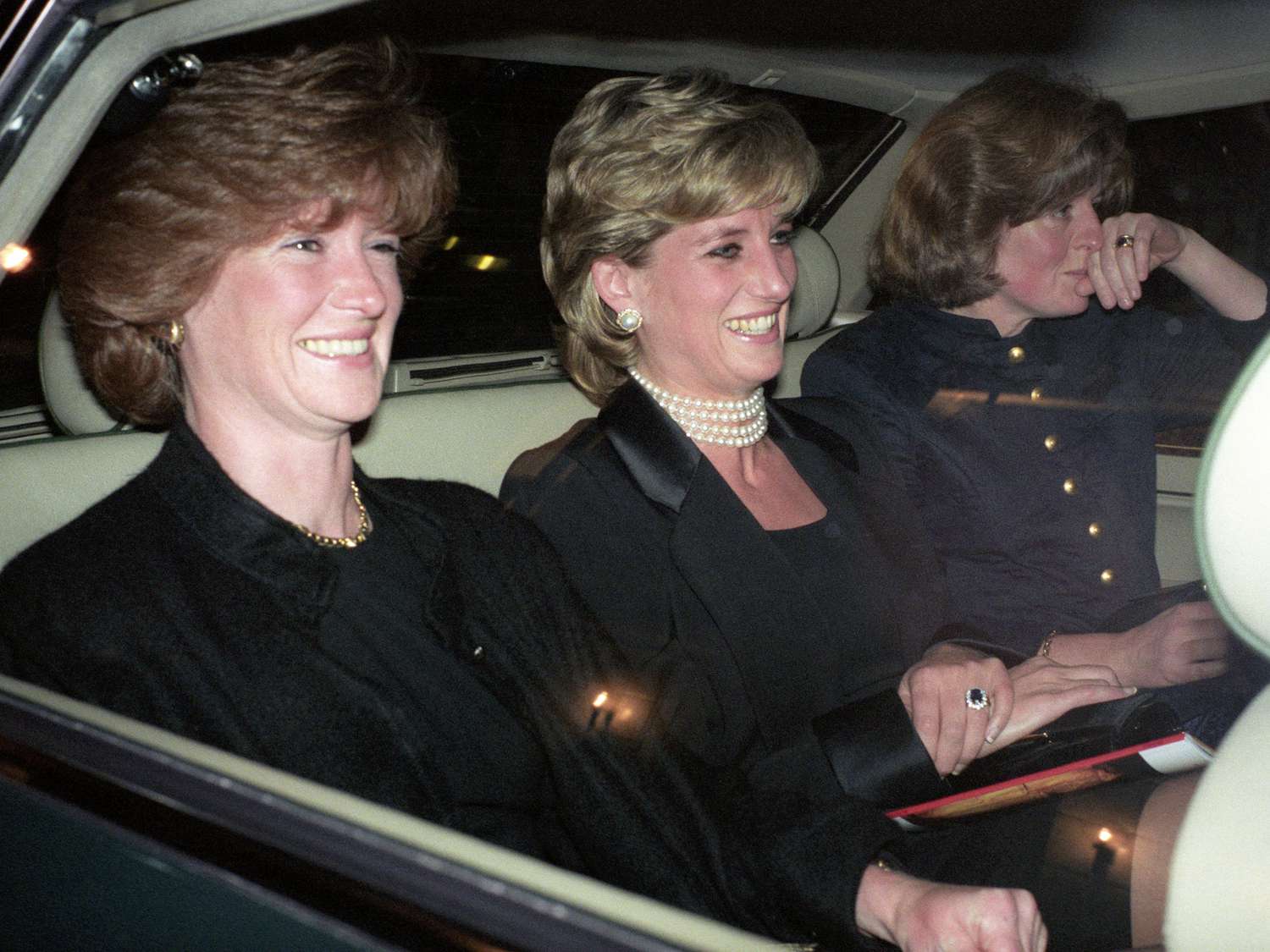
Princess Diana had three living siblings and one who passed away in infancy.
Her eldest sister, Lady Sarah McCorquodale, born on March 19, 1955, briefly dated Prince Charles before introducing him to Diana and later married Neil McCorquodale in 1980, with whom she has three children.
Sarah has maintained a low profile but has been involved in charity work and served as an executor of Diana’s will.
The second sister, Lady Jane Fellowes, born on February 11, 1957, married Robert Fellowes, who became Baron Fellowes and served as private secretary to Queen Elizabeth II; they have three children, and Jane has occasionally spoken publicly about her close bond with Diana, including reading at her funeral.
Diana also had a brother, John Spencer, born on January 12, 1960, who tragically died just hours after his birth, an event that deeply affected the family and contributed to tensions between her parents.
Her youngest sibling, Charles Spencer, the 9th Earl Spencer, was born on May 20, 1964; he is a journalist, author, and broadcaster who delivered a memorable eulogy at Diana’s funeral, criticizing the media and royal family.
Charles has been married three times, has seven children, and resides at the family estate, Althorp, where Diana is buried.
Also Read: Prince Harry Siblings: Meet Prince William, Laura and Tom Parker Bowles
Career
Princess Diana’s professional life began modestly after she left school at age 16 without formal qualifications, attending a finishing school in Switzerland before returning to London.
There, she took on various low-paying jobs, including working as a nanny, a dance instructor, and most notably, a nursery teacher’s assistant at the Young England School in Pimlico, a position she held until her engagement to Prince Charles in 1981.
Upon marrying into the royal family, Diana transitioned into full-time royal duties, representing the monarchy on official tours and engagements across the United Kingdom and the Commonwealth.
Her early public life was marked by shyness, but she quickly evolved into a confident figure, undertaking solo international visits to countries like Australia, the United States, Italy, and Japan, where she charmed audiences and boosted diplomatic relations.
Diana’s true calling emerged in her extensive charity work; she became patron or president of over 100 organizations during her lifetime, focusing on issues such as homelessness through Centrepoint, children’s health via Great Ormond Street Hospital, and leprosy with The Leprosy Mission.
In the 1980s and 1990s, she broke barriers by publicly hugging AIDS patients to combat stigma, visiting leprosy clinics, and campaigning against landmines, including high-profile trips to Angola and Bosnia in 1997 that contributed to the Ottawa Treaty banning anti-personnel mines.
Even after her 1996 divorce, when she stepped back from most patronages to focus on six key ones like the British Red Cross and the National AIDS Trust, Diana continued her humanitarian efforts, using her fame to raise awareness and funds through events like auctioning her dresses in 1997.
Accolades
In 1981, Princess Diana was awarded the Royal Family Order of Elizabeth II, a personal honor from the Queen, and the Supreme Class of the Order of the Virtues from Egypt.
The following year, she earned the Grand Cross of the Order of the Crown from the Netherlands during a state visit.
Diana’s groundbreaking work on AIDS earned her recognition as Woman of the Year by Time magazine in 1987, highlighting her efforts to destigmatize the disease.
In 1988, she became an Honorary Fellow in Dental Surgery from the Royal College of Surgeons of England and a Royal Bencher of the Honourable Society of the Middle Temple.
She also held military appointments, such as Colonel-in-Chief of regiments like the Princess of Wales’s Royal Regiment and the Light Dragoons, though these were relinquished post-divorce.
Civic freedoms were bestowed upon her, including the Freedom of the City of London in 1987, Freedom of Cardiff in 1981, Freedom of Carlisle in 1986, Freedom of Northampton Borough in 1989, and Freedom of Portsmouth in 1992.
Internationally, she received the International Leonardo Prize in Moscow in 1995 and a Gold Medal from the Pio Manzù Centre in Italy in 1996 for her work with the elderly.
Posthumously, her influence was acknowledged in the 1997 Nobel Peace Prize awarded to the International Campaign to Ban Landmines, and in 2002, she ranked third in the BBC’s poll of the 100 Greatest Britons.
Email your news TIPS to Editor@Kahawatungu.com — this is our only official communication channel
