



At least 845 incidents of mob justice were recorded across the country since January 2025, Interior Cabinet Secretary Kipchumba Murkomen said.
Murkomen disclosed that of the total cases reported, 579 resulted in deaths while 266 led to injuries, painting a grim picture of the scale and severity of the vice.
He spoke when he appeared before the Senate during plenary.
Kiambu County recorded the highest number of incidents at 90, out of which 58 resulted in deaths, while 32 caused injuries.
Nairobi followed closely with 85 cases, leading to 55 deaths and 30 injuries.
Embu registered 51 cases – 33 deaths and 18 injuries -while Kisumu recorded 45 incidents, with 36 deaths and nine injuries.
Kirinyaga had 39 cases, resulting in 28 deaths and 11 injuries, and Kakamega reported 32 incidents, with 19 deaths and 13 injuries.
Marsabit, Taita Taveta and Tana River each recorded one incident, and all resulted in fatalities, he said.
Murkomen was responding to a question by Kisumu Senator Tom Ojienda, who had raised concerns regarding the overall increase in mob justice incidents across the country and sought clarity on measures being taken to curb the worrying trend.
He said the government has noted growing public anxiety over mob justice, describing the incidents as often involving violent attacks, public humiliation and, in many cases, fatalities before suspects can be formally investigated or prosecuted.
Police say they have been recording a rise in mob lynching in a worrying trend.
Most of those targeted are suspected thieves targeting mobile phones.
“Concerns have been raised over the rising incidents of mob justice. These cases often involve violent attacks, public humiliation and in some instances fatalities before suspects can be formally investigated or prosecuted,” Murkomen said.
To address the situation, Murkomen said the government has put in place several measures aimed at preventing mob justice and ensuring the lawful handling of suspects.
He said national government officers are continuously sensitising citizens on the importance of informing the police whenever they arrest suspects or when incidents occur.
Additionally, the Service Standing Orders require all police stations to maintain a standby team to respond to incidents, including mob justice, making it the responsibility of station commanders to ensure swift response and proper management of such cases.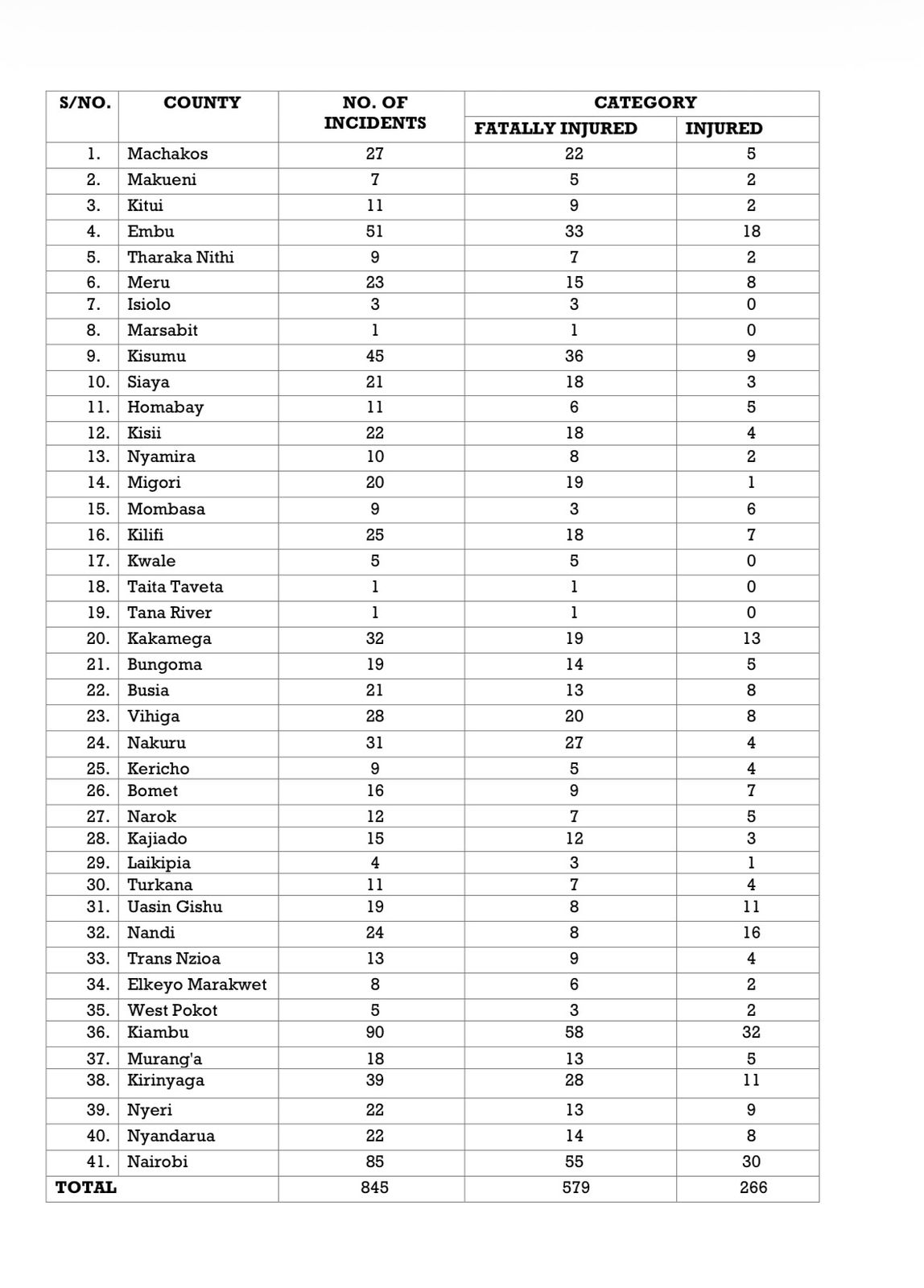
Murkomen also pointed to the availability of toll-free numbers, including the Fichua kwa DCI hotline (0800 722 203), which allow members of the public to promptly report crimes, suspicious activities or emerging mob situations before they escalate.
Further, the Service is strengthening the use of communication technology through the Integrated Command, Control and Communication (IC3) framework to enhance rapid response to incidents such as mob justice.
Despite these interventions, Murkomen attributed the spike in cases to several underlying factors.
Chief among them is mistrust in the criminal justice system, as some members of the public perceive investigations and court processes to be slow, ineffective or biased.
The release of suspects, he noted, often reinforces this perception, prompting communities to take the law into their own hands.
“The release of suspects often reinforces the perception that the justice system is ineffective, prompting communities to take the law into their own hands,” Murkomen said.
He further cited the circulation of crime-related content and so-called “instant justice” videos on social media platforms, which he said trigger copycat incidents and normalise violence as a dispute resolution mechanism.
Murkomen urged Kenyans to resist the temptation of mob action and instead cooperate with law enforcement agencies, warning that mob justice not only undermines the rule of law but also exposes innocent individuals to irreversible harm.

Email your news TIPS to Editor@Kahawatungu.com — this is our only official communication channel
