


Kenya officially commenced the final phase of withdrawing its police officers from Haiti, bringing to a close a high-profile international security mission that began in 2024.
Inspector General of Police Douglas Kanja led the first batch of returning officers, flying to Port-au-Prince before escorting more than 200 personnel back home.
The officers arrived Tuesday night at Jomo Kenyatta International Airport, marking the start of a phased withdrawal expected to conclude by April 15, 2026.
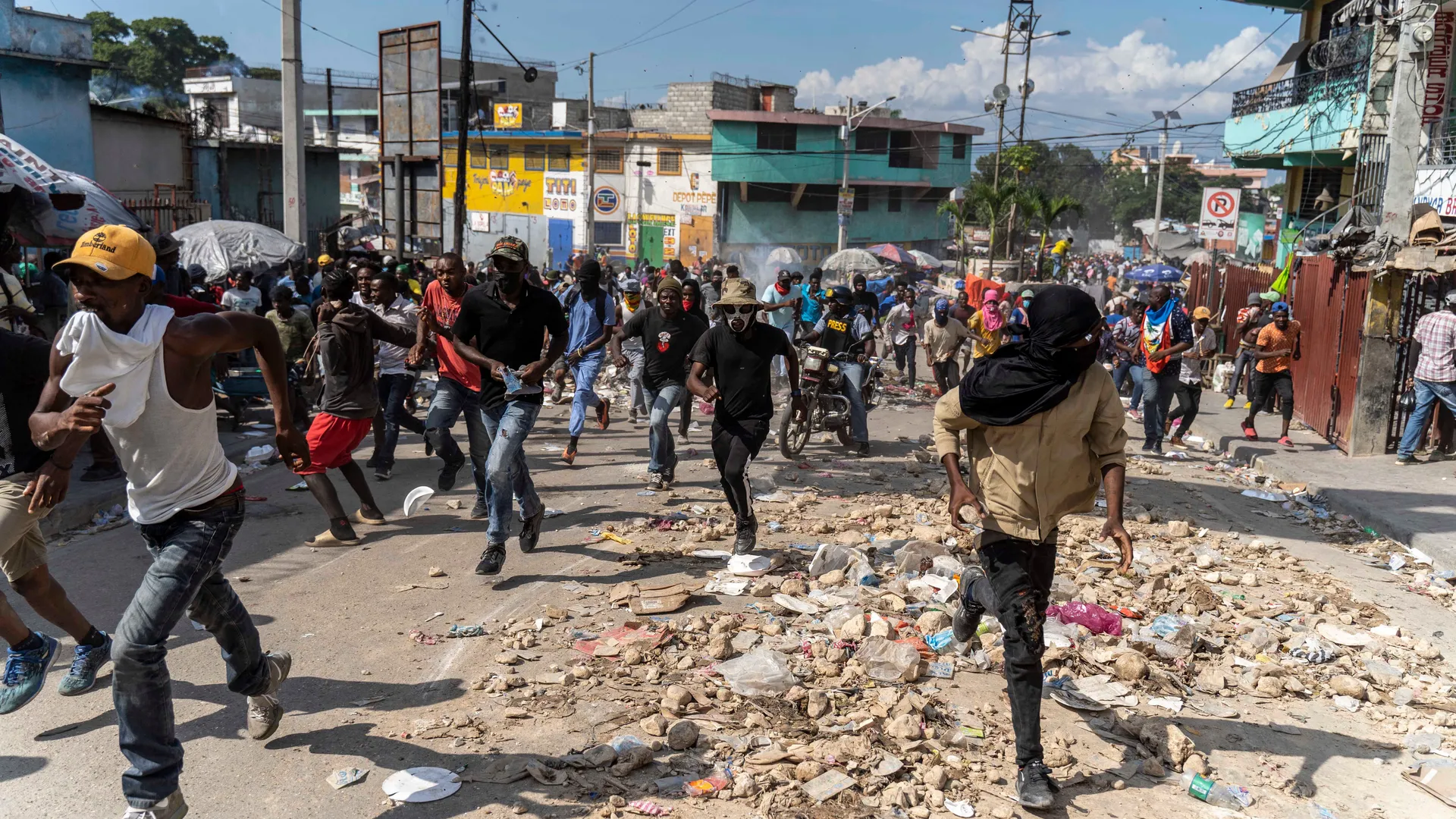
Kenya initially deployed the officers to Haiti in June 2024 under a multinational mission aimed at restoring order amid escalating gang violence that had threatened to topple the government.
During their deployment, Kenyan forces played a key role in securing critical infrastructure, including the main airport, hospitals, and major roads.
They also trained over 2,000 Haitian police officers to continue operations after their departure.
Officials confirmed that another contingent of officers will leave within a week as part of the agreed exit timeline.
The withdrawal follows disagreements over command of the newly established Gang Suppression Force (GSF), with Kenya declining to continue its involvement after failing to secure leadership assurances.
The mission received strong backing from the United States, with Deputy Secretary of State Christopher Landau previously praising Kenyan officers during a visit to Nairobi. He credited their efforts with stabilizing Haiti, warning that the government could have collapsed without their intervention.
Kenya led the Multinational Security Support mission, which later evolved into a more robust anti-gang operation supported with equipment and logistics from international partners. Despite its successes, the mission recorded casualties, with at least two Kenyan officers killed in the line of duty.
Haiti continues to face severe instability. The country has not held elections since 2016 and has lacked a president since the 2021 assassination of Jovenel Moïse.
Armed gangs now control an estimated 90 percent of Port-au-Prince, with nearly 6,000 people killed in 2025 alone, according to the United Nations.
In February 2026, Haiti’s transitional council handed executive power to Prime Minister Alix Didier Fils-Aimé, who now faces the challenge of restoring order and organizing long-delayed elections.
His administration has received backing from Washington, including from US Secretary of State Marco Rubio.
Meanwhile, Haitian authorities have intensified operations against gang leaders, including targeting assets linked to notorious figure Jimmy Chérizier.
As Kenya exits the mission, questions remain over whether local forces can sustain the gains made and prevent the country from sliding deeper into crisis.

Email your news TIPS to Editor@Kahawatungu.com — this is our only official communication channel
