


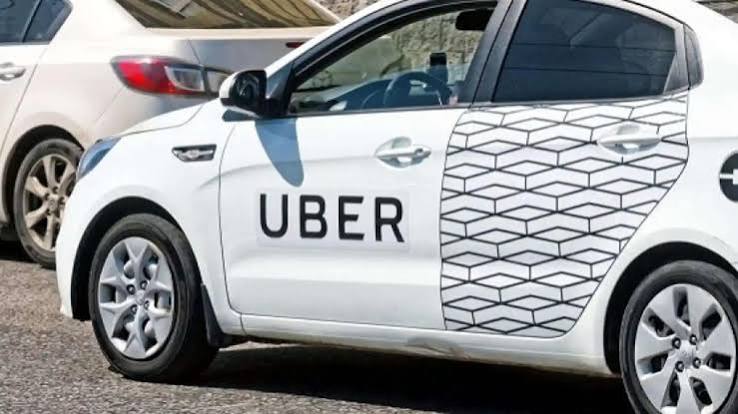
It was a regular Tuesday evening in Kampala. A friend visiting Uganda opened the Uber app, requested a ride, and waited. The car pulled up, he hopped in—and there, in the front passenger seat, was the driver’s wife or girlfriend, casually breastfeeding a baby. You can imagine the poor fellow’s shock.
That story, shared on X (formerly Twitter) on September 2, 2026, captures something uniquely African about the ride-hailing experience. But it also landed on the very day Uber officially shut down its operations in Nigeria after 12 years and in Uganda after 10 years. The company had already pulled out of Tanzania in January 2026 and Ivory Coast in 2025. Uber now retains only four African markets: Egypt, Ghana, Kenya, and South Africa.
As the curtain falls on Uber in two of its oldest African markets, let’s take a moment to appreciate the wonderfully strange, chaotic, and utterly human stories that defined the Uber experience across the continent.
“Boss, I Need to Pick Up My Wife”
Muhammad Onyango shared his bewilderment on X:
“Took an Uber from work heading home and the driver was super friendly, chatting with me the whole way. Then out of nowhere he goes, ‘Boss, I need to pick up my wife. This is my last trip.’ I honestly didn’t even know what to say.”
So they pulled over by the roadside, picked up the wife, and presumably continued the journey with an unexpected passenger.
This is the African Uber experience in a nutshell. The line between “professional service” and “personal errand” was always blurred. Drivers treated their cars like extensions of their lives, and passengers were often invited along for the ride—literally.
The School Run Detour
Terryanne Chebet had an even more elaborate version of this:
“He asked if I could let him pick up his child from school, so we went to the child’s school, I sat and waited patiently as he went to the class, only to be told he had come too early. 15 minutes later we were back in our initial trip.”
Imagine sitting in the back of an Uber, parked outside a school, waiting for a driver to retrieve a child who wasn’t even ready to be picked up yet. The sheer audacity—and the passenger’s patience—is remarkable.
The Bolt-Uber Boomerang
KoffeeTungu shared a frustration many African riders know all too well:
“Ordered Uber in Kampala then the driver told me to add some money, I cancelled, went to Bolt made a request and boom! same driver. He was still in the vicinity but on a different app. Cancelled again.”
In markets where drivers multi-app to survive, riders quickly learn that cancelling one ride doesn’t always mean escaping the driver. The same face, the same car, just a different coloured app icon on the dashboard.
“She Offered to Pay in Kind”
Not all strange stories are wholesome. A Nigerian Uber driver shared a shocking experience from his early days on the job in Lagos. He picked up a woman from another man’s house, and during the ride, she allegedly offered to “pay in kind”. The driver’s recounting of the incident sparked widespread reactions online.
The 10pm Scare
A young Nigerian lady took to TikTok after booking an Uber at 10pm and noticing something strange on the driver’s head. She cried out in alarm during the ride, sharing the disturbing incident with her followers. Late-night rides in unfamiliar cities already come with enough anxiety—add an unexpected visual shock, and you have a story that stays with you.
The 1-Metre Ride
Not all strange stories are scary or inconvenient—some are just hilarious. A Johannesburg gent booked an Uber for a journey of exactly one metre. Yes, one metre. The driver arrived, probably confused, and the passenger just didn’t feel like walking that single step. South Africans found the prank hilarious, and it became one of those stories that perfectly captures the absurdity of app-based transport.
The Tired Driver Who Asked the Passenger to Drive
In South Africa, a woman tweeted that her Uber driver arrived, then asked her to drive the car herself because he was too tired. She was the passenger. He was supposed to be driving. But exhaustion doesn’t care about job descriptions, apparently.
Why Uber Left—and What’s Left Behind
Uber’s exits from Nigeria, Uganda, Tanzania, and Ivory Coast weren’t sudden whims. The company cited a “review of evolving business priorities and investment focus across Africa”. But the reality on the ground was tougher: rising fuel costs, inflation, currency volatility, intense competition from platforms like Bolt, inDrive, and Yango, and pressure over fares and driver earnings made these markets increasingly difficult.
In Tanzania, regulatory caps on fares and commissions had already forced Uber to suspend operations in 2022 before the eventual exit. In Ivory Coast, competition from regional players and struggles adapting to local regulations spelled the end after six years.
The End of an Era
For all the frustrations—the detours, the unexpected passengers, the cancelled rides, the awkward conversations—there was something profoundly human about Uber in Africa. It wasn’t just a transaction. It was an interaction. Drivers brought their lives into the car, and passengers were invited into them, whether they wanted to be or not.
As Charles Onyango-Obbo, the journalist who amplified many of these stories, simply wrote: “😂😂😂”
Sometimes, laughter is the only appropriate response.
Email your news TIPS to Editor@Kahawatungu.com — this is our only official communication channel
