


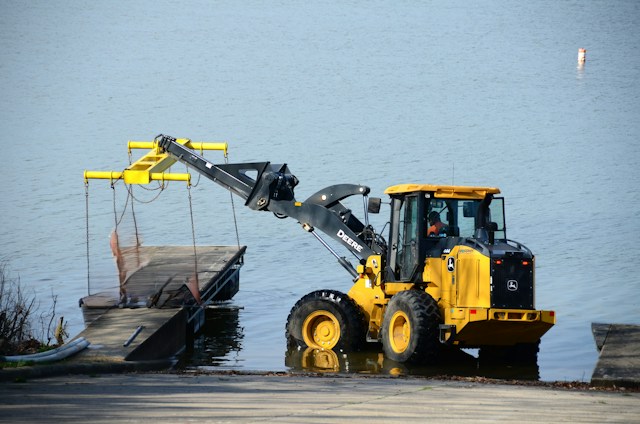
Forklift productivity depends on more than the truck’s horsepower. The attachment mounted at the carriage can affect load stability, operator visibility, travel time, and product damage. Pallets, rolls, drums, cartons, and irregular cargo all create different handling demands. A sound selection process considers load dimensions, weight distribution, aisle width, lifting height, hydraulic capacity, and storage patterns. These details help supervisors improve cycle times while protecting employees, inventory, racks, and trucks during routine shifts.
Productivity Starts With the Correct Match
Facilities comparing attachment options can consult Rightline Equipment, then assess each choice against daily handling conditions. Useful checks include rated capacity, carriage class, fork dimensions, hydraulic flow, mounting method, visibility, and service access. The combined weight of truck, tool, and cargo must remain within the manufacturer’s limits. Load charts also reveal how a forward center of gravity changes usable capacity at elevated heights.
Pallet Clamps Reduce Fork Adjustments
Pallet clamps hold selected loads without repeated fork placement. This benefit matters where pallets vary in width, condition, or entry quality. An operator can collect certain units without leaving the cab to reposition forks. Fewer adjustments may shorten pickup cycles and reduce contact with fragile boards. Supervisors should record handling time, dropped loads, pallet damage, and completed trips before judging productivity.
Paper Roll Clamps Protect Cylindrical Loads
Paper, film, carpet, and packaging rolls need controlled pressure across their curved surfaces. Roll clamps provide a broad grip, reducing crushing, slipping, and edge damage during transport. Proper arm alignment remains essential, especially near production lines or trailer doors. Worn contact surfaces can compromise security even when the mechanism still operates.
Fork Positioners Improve Load Access
Fork positioners move both forks from the operator’s seat. That function saves time where pallet openings or load widths change throughout a shift. It also reduces manual adjustment, which can lower physical strain and improve placement accuracy. A useful trial compares pickup duration, corrected placements, rack contact, and uneven support.
Rotators Support Controlled Product Discharge
Rotators turn bins, containers, and selected loads without the need for separate transfer equipment. Manufacturing facilities may use them to empty material into hoppers, mixers, or processing stations. Controlled rotation limits spills and reduces the need for manual tipping near moving machinery. Selection should account for turning range, hydraulic flow, visibility, load balance, and retention. Operators need clear rules for securing contents before travel or rotation begins.
Side Shifters Improve Placement Accuracy
Side shifters move cargo laterally without repositioning the entire truck. Small corrections help align pallets with racks, trailers, and workstations. This action can reduce steering changes, travel distance, and contact with storage frames. The unit should preserve visibility and match the forklift’s hydraulic system. Performance reviews can track placement time, rack strikes, aisle corrections, and the number of repositioning attempts.
Push Pull Units Handle Slip Sheets
Push-pull units move goods on slip sheets rather than wooden pallets. They suit operations handling dense cartons, packaged foods, or export cargo on lightweight sheets. The attachment grips a sheet edge, draws the load onto a platen, then places it at the destination. Assessment should include cycle time, sheet waste, dock layout, floor condition, and training requirements.
Bale Clamps Manage Compressible Cargo
Bale clamps handle cotton, textiles, recycling materials, and other compressed products. Broad arms distribute pressure across the surface, helping prevent punctures caused by standard forks. Correct settings protect material while maintaining a firm hold during travel. Evaluation should include bale density, surface condition, stack height, and opening range. Maintenance staff should inspect arm wear, hydraulic leaks, and uneven gripping during scheduled checks.
Measuring Productivity Gains
A reliable review begins with baseline measurements. Supervisors can record loads per hour, idle minutes, damage incidents, fuel consumption, labor time, and travel distance. After installation, the same measures show whether the attachment changed performance. Results should separate equipment benefits from those attributable to staffing, layout, or volume changes. A controlled trial using consistent cargo usually provides stronger evidence than a broad productivity estimate.
Conclusion
Forklift attachments can raise throughput by reducing adjustments, protecting inventory, and giving operators better control. Clamps, positioners, rotators, side shifters, push-pull units, and bale tools address distinct handling needs. Each purchase should be based on measured conditions rather than appearance or size. Comparing capacity, compatibility, cycle time, damage rates, maintenance demands, and employee feedback supports sound decisions. Short, controlled trials can show whether new equipment produces safer, more consistent daily output.

Email your news TIPS to Editor@Kahawatungu.com — this is our only official communication channel
