

Aboriginal Art: Connecting Culture to Contemporary Aesthetics

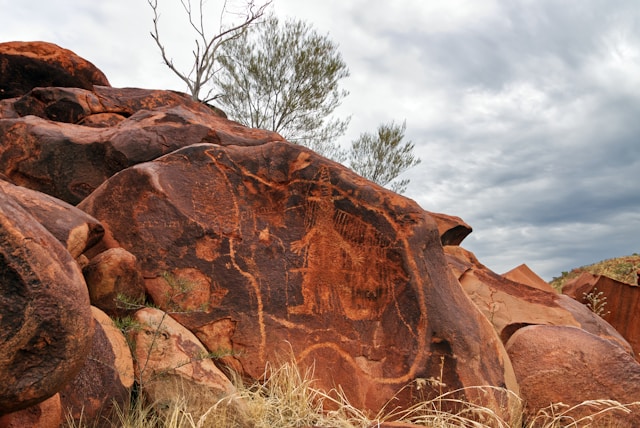
Punda Rock Art; Punda Pool, Coondiner River, Newman, Western Australia, Australia; October 2012
Art isn’t just pretty things to hang on the wall; it’s a way to share connections, tell stories, and show who you are. Aboriginal art is very important because it has deep cultural meaning and has been important in the past and is important now.
Today, this ancient art form is finding a place in modern homes and galleries.
Here’s how Aboriginal art continues to connect culture to creativity and why it belongs in your space.
The Cultural Heart of Aboriginal Art
Aboriginal Art has been a part of Indigenous storytelling. Artists communicate stories of the Dreamtime—creation, the land, spirituality, ancestors—through country patterns in colours and shapes.
There are stories behind everything. In general, it is the artist’s response to the country at stake and to their own origin and place of birth. Akin to the customs, Aboriginal art also abides by ageless values and unsurpassed emotional profoundness.
Keeping Tradition Alive in New Ways
A lot of Aboriginal artists still work within the ideas of their own culture, but some have come up with creative ways to combine new and old ideas and styles. They could play around with mixed colours, new materials, and colours they hadn’t used before.
In the end, their work is a perfect mix of the old and the new. It’s art from the past with deep cultural meanings that leads right into modernism.
Bringing Aboriginal Art Into Your Home
Deciding on Aboriginal art is more than selecting a beautiful piece of decoration; you are inviting culture, history, and story into your space.
If the living room is big, you can hang a big painting on a wall. If it’s not too big, a fun woven piece can add texture and warmth to a quiet spot.
All of these pieces have a certain beat and life that resets the room. They also provoke discussions and inspire people to gain a deeper understanding of Australia’s Indigenous culture.
Buying Art the Right Way
Buying ethically sourced artwork is the first step in supporting Aboriginal artists. This should include purchasing through galleries or retailers that work directly with artists and communities, in addition to providing transparency as to the origin of the piece.
A good purchase pays artists well and does not exploit cultural knowledge. The decision is easy—a way to preserve tradition while promoting the artists who carry it on.
Why It Fits So Well in Modern Interiors
Much modern design is about keeping a sleek silhouette, earthy colours, and telling details. And Aboriginal art is perfect for that environment.
With its lushness, curving lines, and symbolic gestures, it isn’t imposing like so many other pieces of tarot-themed decor. No matter whether you are living in a small city apartment or a coastal retreat, these works will add character and create an identity for your home.
Learning Makes It More Meaningful
The greater awareness you have of a piece, the more it will resonate with you. Most artists and galleries share their story behind the work, including its symbolism, history, and inspiration.
Reading, inquiring, and listening to your stories makes you see the art differently. Now it is not just something lovely to look at, but instead an object with which you relate personally.
A Tradition That Lives On
Aboriginal art is more than a tie to the old ways; it really is a living tradition that changes while at its heart always remaining. You are providing support to the people who created that piece and paying homage to their culture, bringing it all back home, where you get an instant lift.

