

Access Control Systems For Hospitals: Everything To Keep It Safe & Secure

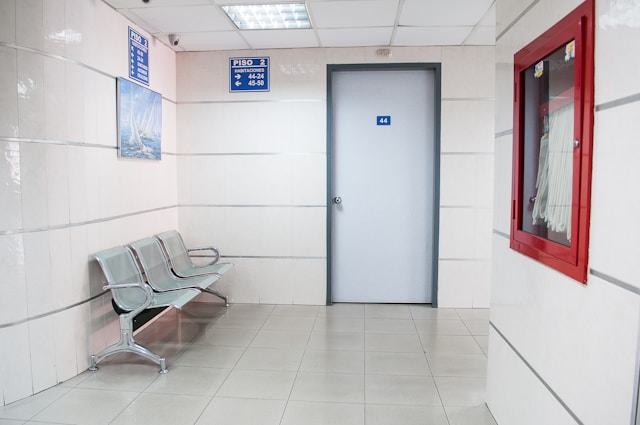
Access Control Systems For Hospitals
Hospitals are complex health systems with sophisticated security networks and processes. In today’s fast-paced world, it’s never been more important to prioritise the safety and well-being of patients as well as medical staff members.
Undoubtedly, hospital administrators have to manage security control and clearances to avoid liabilities and streamline their medical services. There’s no better way to accomplish this than by setting up comprehensive access control systems in the hospital.
Access control systems can prevent the spread of contagious disease, protect critical patients in the ICU, and provide privacy for patients in every department. By determining who has access to each room or floor of the hospital, you can customise security measures to meet your needs.
The process of installing access control systems can be complicated, which is why we’ve created a guide to help you get started. We use locksmith-approved advice from an emergency locksmith Bradford professional to give you a robust perspective on the benefits and challenges of access control systems.
Before going any further, let’s fully understand what access control systems are and how they can be used in a hospital setting.
An Overview of Access Control Systems
Access control systems are security configurations that restrict or control access to a specific area. They can be operated using keycards, fobs, or other controlled methods of entry, and they can be installed in any type of room or building.
This type of control system can be found in most government and corporate facilities, but universities and flats often use them as well. Access control systems are primarily constructed using four components:
- Interfaces or control panels that allow authorised personnel to scan or swipe access keys.
- Electronic or digital locks that only unlock when an authorised person uses their key.
- Access controllers that store all of the system information. This could be a panel installed in an interior part of the building, and administrators can control who has access using this device.
- Power supply units that provide power to the other components.
This simple architecture (Though it can get fairly complicated) makes it easy for locksmiths to install access control systems in nearly any building. Some systems come with emergency override devices to release door locks in the event of an unexpected crisis.
Defining Access Control Systems for Hospital Security
When talking about access control systems for hospital security, we’re referring to this type of security configuration being used to manage access in a healthcare facility. Hospitals are quite large, and their many buildings, rooms, and departments require different levels of access.
Ideal hospital access control systems allow doctors and nurses access throughout their department, patient families to see their loved ones when cleared to do so, and administrators to have full access to all facilities. The hierarchy of access can quickly get complex, which is why careful planning is carried out before a control system is installed. By implementing an effective access control system, theft can be avoided, and accidents caused by untrained personnel can be prevented.
Advanced Electronic Access Control Solutions for Hospitals
Unlike simple commercial businesses, hospitals have a diverse set of security requirements with tiered priority levels. This cannot be completed by an access control system, however, without the right access control reader. This is because of the highly sensitive nature of some of the departments in a hospital, such as the maternity ward and pharmacy.
Access control systems can also seamlessly connect to surveillance devices in your hospital. Depending on the CCTV or surveillance camera network that’s already installed, access control systems can be used to monitor and document who uses each room.
By working with a qualified security agency like Lock & Key, you can develop a security plan that’s in lockstep with the hospital’s goals and national security standards.
Types of Entry for Access Control Systems
When installing an access control system, you can give your staff members different ways to access rooms and buildings in a manner that’s tailored to security compliance rules. Here are some popular methods of entry for access control systems:
Key Card Entry Systems
Key cards are commonly used to operate access control systems because of the simple architecture required to run the network. In this type of system, inexpensive plastic cards with RFID chips can be given to employees. They simply hold their card up to the card reader next to a controlled door, and the magnetic lock automatically unlatches. This method of entry is extremely easy to manage, and administrators can add or remove access instantly through a server. In hospitals, key card entry systems are popular because patients and visitors can be given access to specific areas with a pre-cleared key card, preventing unnecessary access.
Keypad Readers with Passcodes
Keypad-based access control systems are also quite handy for hospitals because they give staff members quick and easy access to low-risk areas like break rooms and janitorial closets. A keypad is featured next to controlled doors, and a user can input a PIN combination to unlock the door.
Keypad readers should not, however, be used on doors leading to sensitive parts of the hospital. If a passcode gets leaked or improperly shared, you want to make sure that higher-risk patients aren’t compromised.
Biometric Access Control
Biometric locks are much more advanced than other types of control methods, and they’ve only become commonplace in the last few decades. These systems rely on biometric data, such as fingerprints or retina scans, to lock and unlock doors. When expanded to an access control system, this method of entry can offer the highest level of security. Biometric access control can be perfect for designating access for high-ranking staff members, such as surgeons, infectious disease experts, and hospital administrators.
Conclusion
Patient safety should be a top priority for any health system. Thankfully, new advancements in professional security solutions allow us to implement effective access control systems to make it easier to manage large facilities. By installing access control systems, you lower the risk of accidents or crimes occurring on the premises while maintaining privacy for patients and staff members. By partnering with a qualified locksmith or security agency, you can determine the best type of access control system for your healthcare facility, enhancing protection and well-being for everyone for years to come.