

Activists pressure govt to act on GBV taskforce report as Ruto deadline lapses

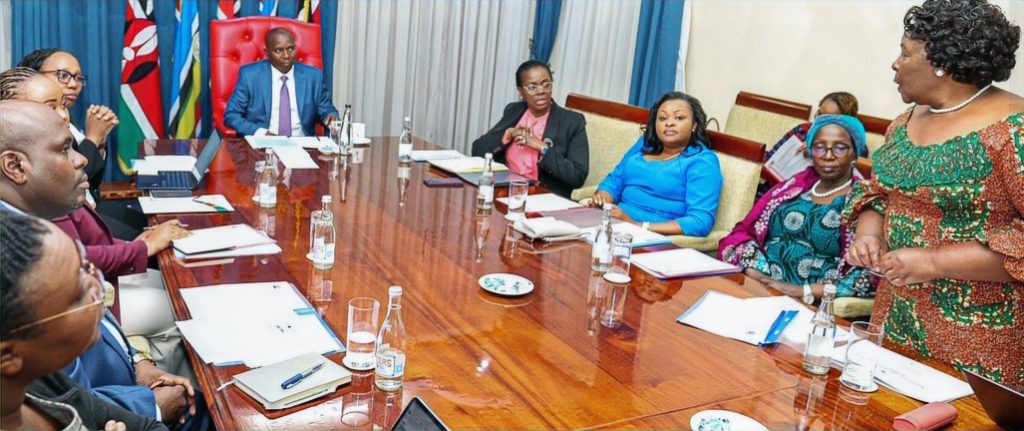
Human rights groups have intensified pressure on the government to operationalise the Gender Based Violence (GBV) Taskforce report, warning that continued delays are undermining efforts to address rising cases of femicide across the country.
In a joint statement issued on Wednesday, the lobby groups noted that the 30-day deadline set by President William Ruto for the submission of a Cabinet memorandum on the implementation of the task force report had lapsed.
The activists said it has now been seven months since the report—headed by former Deputy Chief Justice Nancy Baraza—was presented to Deputy President Kithure Kindiki, yet key recommendations remain unimplemented.
“We urge your office and that of other Cabinet Secretaries to prioritise this instrument and operationalise the national emergency strategy to reduce the spike in femicide cases,” the statement read.
The groups cited fresh findings from a report titled “Counting The Cost: A Decade of Femicide in Kenya (2016–2025)” released by Odipo Dev, Africa Uncensored, and Africa Data Hub earlier this month. The study reinforces the conclusions of the GBV Technical Working Group, painting a grim picture of violence against women in Kenya.
According to the report, homes remain the most dangerous spaces for women, with more than 70 percent of femicide cases occurring in domestic settings. Intimate partners account for the majority of perpetrators. The most common causes of death include stabbing (23 percent) and strangulation (9 percent).
The report also highlights systemic weaknesses in the justice system, noting that cases in counties such as Nairobi, Mombasa, Kiambu, Garissa and Kericho take an average of four years to conclude.
While women and girls remain disproportionately affected, activists noted that GBV cuts across gender lines. They cited the recent case of Umoja resident Steve Godia, who sustained severe burns after allegedly being scalded by his girlfriend.
In their demands, the civil society groups called for the Executive Office of the President to formally declare femicide a national crisis, arguing that the crisis affects more than half of Kenya’s population.
They also urged national and county governments to mainstream gender-responsive budgeting and programming, and called on the National Assembly to amend the Penal Code to recognise femicide as a standalone offence to enhance consistency in prosecutions.
Further, they pressed for greater judicial support to fast-track GBV cases and cautioned against the reduction of sentences for perpetrators, particularly in domestic killings.
“If wives are not safe, their children are not either,” the statement noted.
The groups also demanded increased public funding for awareness campaigns to promote reporting of GBV cases, peaceful conflict resolution, and respect for the dignity of all persons.
The statement was signed by Irungu Houghton, Executive Director of Amnesty International Kenya; Zaha Indimuli, National Coordinator of ENDFemicideKE; and Zaina Kombo, Convenor of HumanisMyID Alliance.
The renewed push underscores mounting public concern over femicide and GBV cases, as activists call for urgent political will to translate taskforce recommendations into action.