

Activists raise alarm over alleged crisis at Kisii Teaching and Referral Hospital

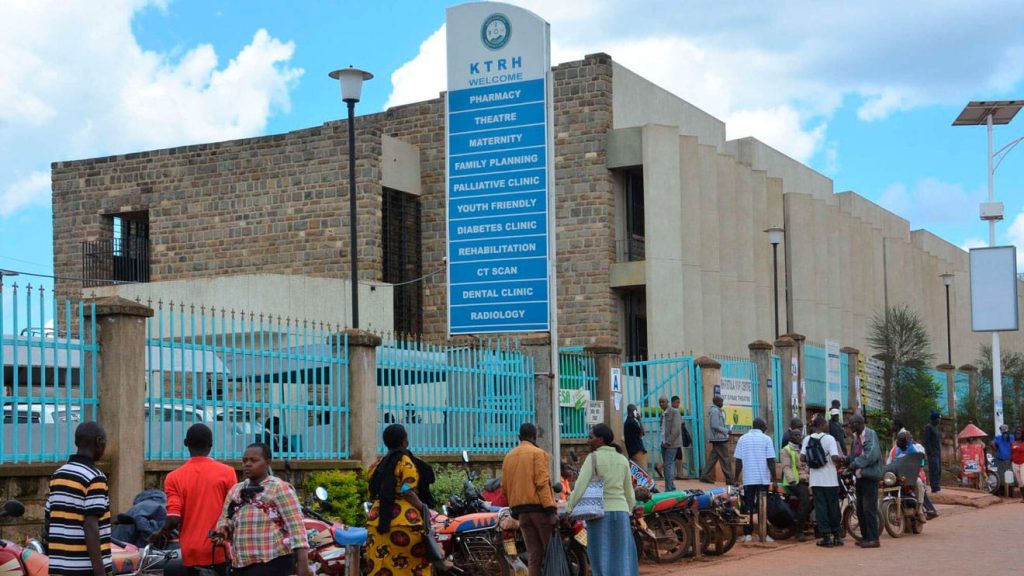
Rights activists have accused the management of Kisii Teaching and Referral Hospital (KTRH) of failing to address what they describe as a deepening healthcare crisis, citing shortages of critical medical equipment, personnel and essential supplies.
Speaking on Monday, Rigena Human Rights activist Thomson Osoro claimed patients seeking specialised treatment at the region’s largest referral facility were increasingly being denied services due to operational challenges that have persisted for months.
In an open letter addressed to Kisii Governor Simba Arati, Osoro said urgent intervention was needed to restore public confidence in the hospital.
“The current state of Kisii Teaching and Referral Hospital is alarming. A facility that should serve as the highest referral hospital in our county appears to be struggling to provide essential healthcare services,” he said.
KTRH, which serves as the main referral hospital for the Gusii region, handles an estimated 400 to 600 outpatients daily, translating to between 146,000 and 219,000 outpatient visits annually. The hospital also admits an estimated 73,000 to 110,000 patients each year.
Osoro alleged that the hospital’s Intensive Care Unit (ICU) has operated with non-functional equipment for several months, limiting its capacity to manage critically ill patients.
He said the concerns were informed by reports from patients and healthcare workers, as well as his personal experience after a family member requiring surgery was allegedly referred to another facility because of service constraints.
“It is heartbreaking that a referral hospital is now referring patients elsewhere because it cannot provide services that should ordinarily be available,” he said.
The activist also alleged shortages of gynaecologists, which he said had affected maternity services, and an inadequate number of surgeons, disrupting surgical care.
He further claimed that patients had complained of shortages of essential medicines, while healthcare workers had raised concerns over delayed salary payments.
“Doctors, nurses, clinical officers and other healthcare workers cannot deliver their best when their morale is affected by uncertainty and delayed payments,” Osoro said.
His remarks come amid reports that a senior executive at the referral hospital has been sent on compulsory leave, a development he said has created uncertainty over the institution’s leadership.
Osoro called on the county government to commission an independent assessment of the hospital’s operations, arguing that official reports may not accurately reflect the challenges experienced by patients.
“Buildings alone do not save lives. Functional equipment, adequate medicines, motivated health workers and effective leadership are what make a hospital deliver quality care,” he said.
He also questioned the significance of the hospital’s reported revenue collections, including about Sh200 million, if patients continued to struggle to access essential healthcare services.
“The people of Kisii deserve a referral hospital that is fully functional, properly equipped and capable of delivering healthcare with dignity,” he said.
Osoro urged the county government to move swiftly to restore services, saying the hospital plays a critical role in safeguarding the health of residents.
Meanwhile, employees of Kisii County have also raised concerns over delayed salaries, saying they have gone for nearly three months without pay.
The workers, who spoke on condition of anonymity, said the prolonged delays had left many unable to pay rent, school fees and service loans, plunging them into financial hardship.
“We have families depending on us, but we have been left in uncertainty. Every month we are told to wait, yet our financial obligations continue to pile up,” one employee said.
The staff said the delays had affected morale across county departments, with some workers struggling to report to work due to lack of transport fare.
They are now demanding that the county government explain the cause of the salary delays and provide a clear payment schedule.
The county administration has previously attributed salary delays to late disbursement of funds from the national government.
However, employees say they need greater transparency and regular communication on when the outstanding salaries will be paid.
The allegations by the activist and county employees had not been responded to by the Kisii County Government or the management of Kisii Teaching and Referral Hospital at the time of publication.

