

Acts of Compassion: Lessons from Kenya’s Diverse Faith Traditions

Acts of Compassion: Lessons from Kenya’s Diverse Faith Traditions
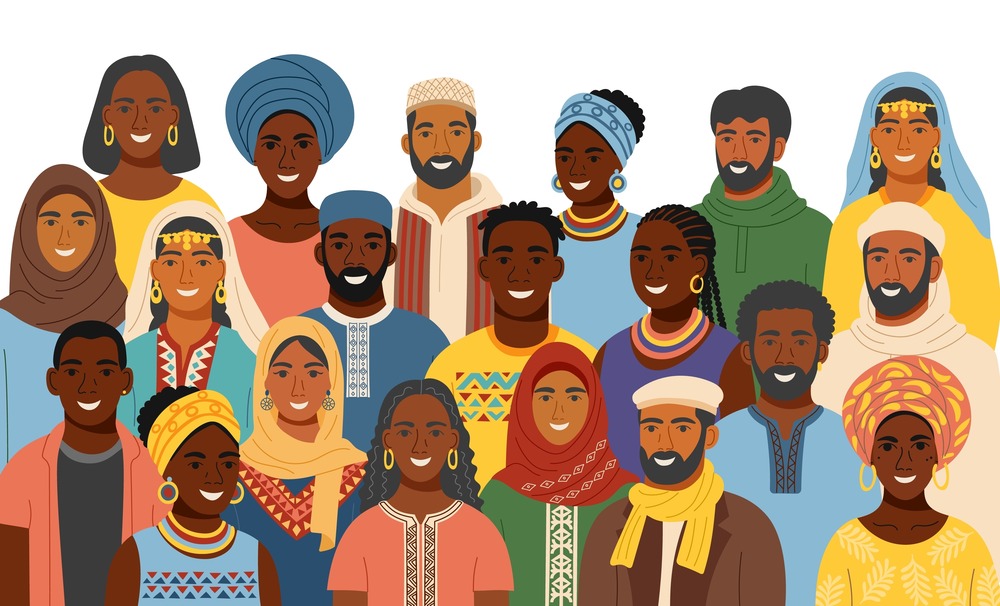
Kenya is a country built on diversity. From the bustling streets of Nairobi to the serene beaches of Mombasa, a vast land of cultures, languages, and beliefs that shape the lives of millions in its country. Among the land of diversity lies a common thread that binds communities together, compassion. Across the vast traditions and mix of faiths, acts of kindness have long been a powerful force within Kenya, offering hope and support to those in need across each county.
In a world often divided by differences, Kenya provides a powerful example of how diverse beliefs can foster shared values of empathy and generosity. At the heart of unity are lessons that various faiths and traditions teach about giving back and supporting the vulnerable, nurturing a sense of collective responsibility.
The Spirit of Shared Humanity
Aside from individual faiths in Kenya, it’s important to recognize the foundation of compassion deeply rooted in African philosophy. The concept of ubuntu, meaning “I am because we are,” exceeds religious boundaries. It speaks to the interconnection of all people, emphasizing that one’s well-being is tied to the well-being of others.
This principle manifests through many Kenyan communities, and communal practices, a Swahili word which means “pulling together” is more than just a fundraising tradition, it is a symbol of solidarity and mutual support. Whether it is working to provide resource to send a child to school, or help a neighbor rebuild after a fire, any act of compassion reflects a shared sense of duty to one another. This foundation creates a ground for faith-based teachings to thrive.
Christian Teachings on Love and Service
Christianity, practiced by the majority of Kenyans, emphasizes love and service at the core of its faith. Many churches across the country run programs that provide food and healthcare to deprived communities.
The focus of selfless giving becomes visible during times of crisis. During droughts or floods, Christian organizations often come together to distribute aid quickly. These actions not only provide relief to those in need, but also adopt unity amongst communities, reinforcing the notion of compassion which is a form of worship. With Kenya being so diverse when it comes to its people and their faith, efforts to help those in need intersect with all faith groups, showing that kindness has no boundaries.
Islamic Teachings on Charity and Justice
Islam plays a significant role in shaping Kenya’s moral beliefs, especially in coastal and northern regions. One of the five pillars of Islam, zakat, places charity at the very heart of religious practice. Muslims are encouraged to give a portion of their wealth to support those in need annually, emphasizing social justice and spiritual growth.
This tradition of giving goes beyond financial contributions. During the holy month of Ramadan, acts of compassion intensify, with communities coming together to feed the hungry and assist the less fortunate. It is through such values that organizations dedicated to humanitarian work, including those involved in Islamic charity, play a vital role in addressing poverty and hunger across Kenya and beyond. Their work serves as a reminder that faith can be a powerful push for positive change.
Indigenous Beliefs and the Power of Community
While Christianity and Islam are the dominant religions, Kenya is also home to large indigenous spiritual traditions. Many of these beliefs highlight harmony with nature and respect for ancestors, along with placing strong emphasis on communal responsibility. In traditional settings, elders often lead initiatives to care for orphans, and those in need.
These practices are deeply integrated into daily life. For example, during harvest seasons, families may set aside a portion of their crops to share with neighbours who have experienced poor yields. Though not always labelled as “charity”, these acts stem from a belief in the sacred duty of mutual care, showing that compassion is a universal value, existing beyond religious categories.
Interfaith Cooperation in Times of Crisis
Kenya’s diversity has not always been without tension. However, when tragedy strikes, the country often witnesses remarkable examples of interfaith solidarity. During natural disasters, political unrest, or humanitarian emergencies, people from different backgrounds come together to provide aid and comfort to affected communities.
This act of coming together despite religious differences demonstrate that the shared value of compassion is stronger. Joint efforts such as feeding the poor, or projects to rebuild all remind us that humanity’s common challenges require collective solutions. By focusing on what unites rather than divides, Kenya’s faith communities offer an outline for peaceful coexistence.
The Universal Language of Compassion
In a world of constant change where news of conflict and division dominates headlines, it is easy to forget the small everyday acts of kindness that continue to happen around us. Whether through religious institutions, cultural traditions, or spontaneous gestures of goodwill, compassion remains a vital force in Kenyan society.
The lessons that come from Kenya’s diverse faith and traditional belief’s shows that generosity is not the realm of any single group but rather a shared duty of coming together. By nurturing a spirit of empathy and action, communities can continue to build bridges across divides, ensuring that no one is left behind.
As Kenya moves forward, acts of compassion will always be instilled, not only by addressing immediate needs but also in strengthening the bonds that hold the nation together. In the end, it is not the differences in belief that define us, but the shared humanity that inspires us to care for one another.