

Agriculture Spared Major Budget Cuts as Government Retains Sh28 Billion for Food Security

Kenya’s agricultural sector has emerged among the biggest beneficiaries in the 2026/27 national budget after the government retained key funding for food production and farmer support programmes despite broader fiscal tightening under a zero-based budgeting framework.
Presenting the Sh4.8 trillion budget for the 2026/27 financial year, the National Treasury allocated Sh28 billion toward food security interventions, reaffirming agriculture’s central role in the government’s Bottom-Up Economic Transformation Agenda (BETA).
The allocation comes as the government seeks to rein in public spending by requiring every expenditure item to be justified before funding approval, making the decision to shield agriculture from significant cuts particularly notable.
Among the flagship allocations is Sh18 billion for the Fertiliser Subsidy Programme, maintaining support for farmers at nearly the same level despite mounting pressure to reduce public expenditure.
The budget also sets aside Sh5.4 billion for the Food Systems Resilience Project and Sh4.6 billion for Agricultural Value Chains Development, initiatives aimed at strengthening food production systems, enhancing climate resilience and improving market access for farmers across the country.
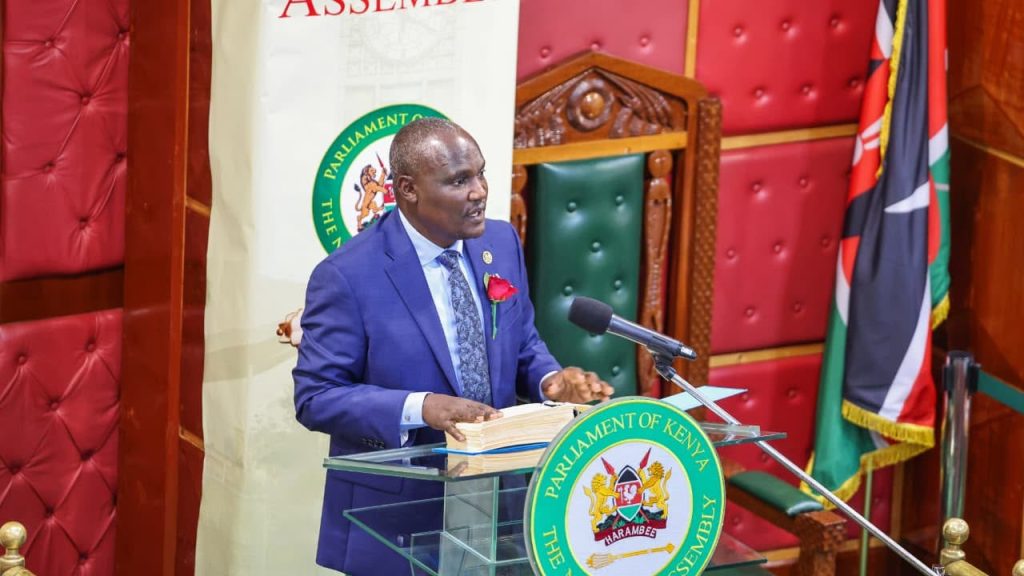
Treasury Cabinet Secretary John Mbadi said the government had deliberately protected the agricultural sector because of its critical contribution to food security, household incomes and economic growth.
“We have prioritised stability in the agricultural sector by avoiding major cuts, keeping the fertiliser subsidy steady at approximately Sh18 billion and sugar reforms at Sh2.5 billion. While Parliament reduced the coffee cherry allocation, we are shifting our focus to address critical coffee debt and expand seed provisions,” Mbadi said.
The budget further introduces Sh2.5 billion for sugar sector reforms, a move expected to support ongoing efforts to revive Kenya’s sugar industry by improving the performance of mills and boosting returns for farmers.
According to the Treasury, preserving agricultural funding required adjustments in other sectors, with several commercially viable energy projects moved away from direct Exchequer financing and redirected to alternative funding models such as the National Infrastructure Fund and Public-Private Partnerships (PPPs).
The government says the reallocation has created fiscal space to sustain investment in food security and agricultural productivity without compromising broader budget consolidation efforts.
The renewed emphasis on agriculture follows concerns raised by lawmakers and sector stakeholders that the industry had remained underfunded despite its significant contribution to employment, exports and rural livelihoods.
Government projections indicate the investments will help increase food production, improve access to farm inputs, strengthen agricultural value chains and cushion farmers against the effects of climate change.
Agriculture remains one of Kenya’s largest economic sectors, supporting millions of livelihoods and serving as a cornerstone of the country’s food security strategy.

