

Alliad puts local suppliers at centre of its sustainability drive in Kenya

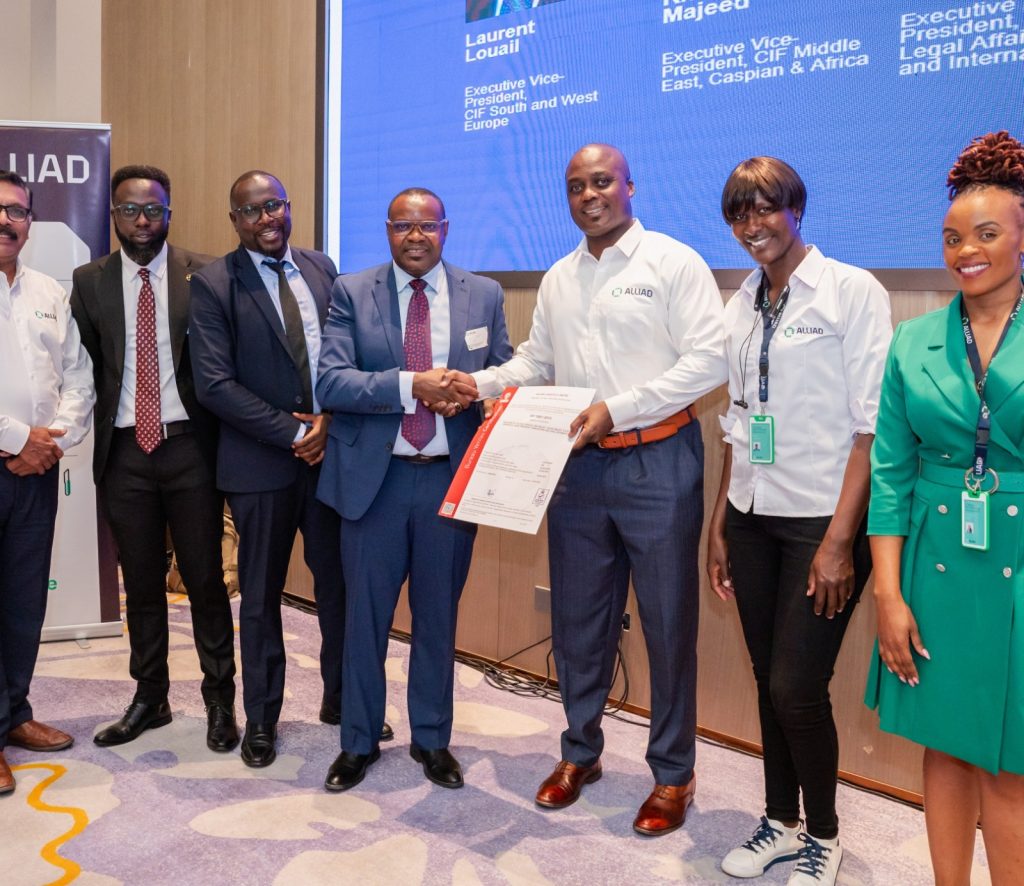
Alliad is deepening its investment in local suppliers, talent and communities in Kenya as the integrated business services provider makes sustainability a central pillar of its expansion strategy across Africa.
The company’s third Sustainability Report shows Kenya emerging as an important market in its drive to strengthen local supply chains, promote local employment and create wider economic value through its environmental, social and governance (ESG) agenda.
A major milestone in Kenya was Alliad’s first Supplier Forum, which brought together more than 60 local suppliers to discuss international standards, food safety, sustainability and local content.
The forum was designed to strengthen relationships with suppliers while equipping local businesses with knowledge and standards needed to participate more effectively in Alliad’s supply chain.
Alliad also maintained a 100 per cent locally recruited workforce in Kenya, underscoring its emphasis on developing local talent and economic participation.
Global Chief Executive Officer Rashad Sinokrot said the initiatives reflected the company’s broader commitment to increasing local participation across its African operations.
“For us, sustainability is about how we grow and the value that growth creates across our markets,” Sinokrot said.
Of Alliad’s 1,775 suppliers globally, 77 per cent are local. In Côte d’Ivoire, local procurement rose from 30 per cent to 46 per cent in 2025, highlighting the company’s efforts to deepen local sourcing across its markets.
Sinokrot said sustainability would remain central to Alliad’s expansion plans as the company seeks to build resilient businesses while delivering long-term value to clients and communities.
Expanding community impact
Beyond Kenya, Alliad’s sustainability programme has supported farmers, education, healthcare and environmental conservation in other African markets.
In Uganda, its Open Market Day initiative in Buliisa District has connected more than 80 local farmers directly with buyers through a weekly marketplace, helping improve access to markets and strengthen livelihoods.
The company also planted 1,285 trees at schools in Uganda and contributed UGX40 million towards girls’ education.
At Kawempe Referral Hospital, it donated healthcare supplies that benefited 150 mothers and 150 newborns.
In Côte d’Ivoire, Alliad conducted environmental education programmes in 10 schools, combining awareness sessions with the creation of arboretums to encourage young people to participate in conservation efforts.
Overall, Alliad invested US$49,172 in community initiatives in 2025 — nearly four times the previous year’s investment. Corporate donations reached 2,044 people across its operating markets.
The company also reported progress in reducing the environmental impact of its operations.
Alliad’s operations measured their carbon footprint in 2025, while renewable energy accounted for 11 per cent of electricity consumption.
The company diverted 191 tonnes of waste from landfill and planted 1,285 trees across its operating locations.
In Kenya, environmental improvements have been combined with operational upgrades.
Alliad has continued introducing more fuel-efficient vehicles to its fleet and deployed a new transport ERP platform expected to improve fuel efficiency by between 10 and 15 per cent.
Strengthening ESG systems
Alliad further strengthened its sustainability and governance framework during 2025 by completing its first EcoVadis assessment and its second Group-wide Double Materiality Assessment.
The company also introduced its first Sustainable Procurement Policy and Whistleblowing Policy.
ESG oversight was reinforced through three cross-functional committees tasked with supporting sustainability and governance across the business.
As Alliad expands across Africa and other markets, Sinokrot said responsible sourcing, local supplier development and investment in people and communities would remain key pillars of the company’s growth strategy.

