


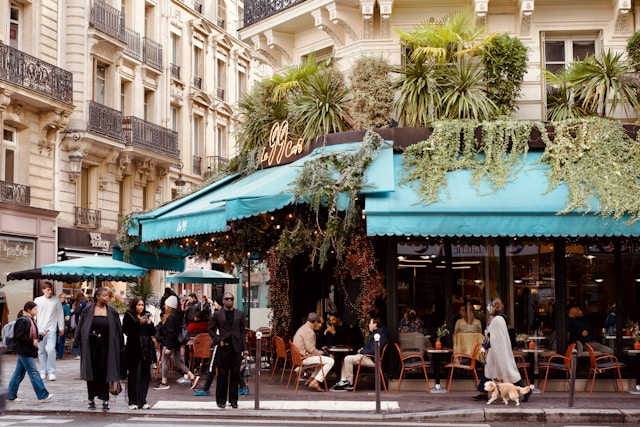
Across Europe, coffee is far more than a drink — it is a ritual, a meeting point, a pause between moments, and sometimes even the centrepiece of entire neighbourhoods. The continent’s cafés have shaped revolutions, nurtured creative movements, and offered sanctuary to wanderers in search of warmth and conversation. Whether it’s the aroma drifting from a pavement terrace or the soft clatter of cups inside a historic coffeehouse, Europe invites travellers to slow down and savour the art of being present.
From Lisbon’s dimly lit pastry counters to Stockholm’s candlelit corners and Vienna’s velvet booths, the continent’s café culture is a patchwork of traditions. Coffee becomes a story told through taste, atmosphere, architecture and the people who gather around small tables to share a moment of calm.
Northern Europe: Warmth and Ritual in the Cold
Travellers exploring the Nordic region often move between major capitals by taking the train from Stockholm to Oslo, a scenic journey that mirrors the quiet elegance found in Scandinavia’s cafés.
In Sweden, the tradition of fika is central to daily life — a mindful pause where friends, colleagues or family gather over coffee and something sweet. Cafés in Stockholm often feel like cosy living rooms, with soft lighting, homemade cinnamon buns, and an emphasis on conversation rather than rushing. Many feature minimalist wooden interiors that reflect Scandinavian design values: simplicity, warmth and closeness to nature.
Oslo’s cafés share similar values but bring in more rustic, outdoor influences. Large windows look out onto waterfronts or snow-covered parks, while pastries often combine Nordic flavours — cardamom, berries, rye, toasted seeds. The ambience leans toward calm intimacy, a welcome refuge from the crisp Arctic air outside.
Further north in cities such as Tromsø and Bergen, café culture blends with coastal tradition. Here, coffeehouses serve as hubs for artists, writers and locals who gather around steaming mugs after long days in the cold, reviving themselves with small pastries, bakeries’ cinnamon twists, and thick slices of brown cheese toast.
The Heart of Europe: Sophistication and Heritage
Travelling south to Central Europe, cafés take on a different identity — one rooted in history, intellectualism and ornate design. Vienna remains one of the world’s great coffee capitals. Its coffeehouses are grand, theatrical spaces featuring marble tables, chandeliers, high ceilings and red velvet banquettes. Ordering a Viennese melange feels like participating in a cultural rite, accompanied by slices of sachertorte or apple strudel delivered with quiet ceremony.
Budapest’s cafés echo this heritage but with their own Hungarian expressions. The city’s historic coffeehouses, once frequented by poets and political thinkers, blend neo-classical decor with a lively contemporary crowd. Pastries such as dobos torte, poppy seed rolls and honey-soaked layered cakes offer a sweet counterpoint to strong, aromatic brews.
Prague, meanwhile, has embraced both tradition and modernity. Classic cafés with old-world charm sit alongside minimalist speciality coffee shops serving Nordic-style roasts. This mix mirrors the city’s broader cultural landscape — old-meets-new, romantic-meets-edgy.
The Romance of Southern Europe
Southern Europe’s cafés are shaped by warmth: warm climates, warm greetings and warm flavours. Travellers moving through Portugal often experience its café culture during scenic journeys, such as taking a high-speed train from Lisbon to Porto — a route that captures coastal landscapes as beautifully as cafés capture the spirit of Portuguese life.
Lisbon’s coffee scene is rooted in tradition. Locals gather at standing counters for bicas (strong espresso shots) accompanied by pastéis de nata, the city’s iconic custard tarts. Many cafés spill out onto tiled pavements, offering outdoor seating that stays lively well into the evening. The ambience is casual and friendly, a perfect match for the city’s melodic pace.
Porto brings a slightly different feel. Here, cafés showcase the city’s vintage charm — Art Deco interiors, ornate mirrors and marble counters where bartenders serve strong coffee and simple pastries. Porto’s coffeehouses feel both nostalgic and energetic, blending students, families and travellers into a single, harmonious rhythm.
Italy, of course, remains one of Europe’s definitive café cultures. In Rome, espresso bars hum with morning energy as locals sip coffee standing at the counter. In Florence, cafés offer a slower pace, with cappuccinos enjoyed alongside cornetti filled with jam or cream. Venice’s historic cafés — some centuries old — provide gilded ceilings and soft music where travellers can linger while watching gondolas drift by.
Spain adds its own flair with cortados, café con leche and sweet magdalenas enjoyed in plazas across Barcelona, Madrid and Valencia. The ambience is lively but unhurried — a hallmark of Spanish street life.
France and the Art of Atmosphere
French cafés are masterpieces of ambience: wicker chairs, mirrored walls, handwritten chalk menus and the gentle rustle of newspapers. In Paris, terraces stretch across broad boulevards, offering a stage for people-watching and long, luxurious mornings with a café crème and pain au chocolat. Many cafés still carry traces of their literary past — corners where writers once drafted novels, debated politics or observed the world for inspiration.
Beyond Paris, café culture shifts subtly. In Provence, cafés sit beneath plane trees in sunlit squares. On the Riviera, coffee accompanies sea views and coastal breezes. Each region brings its own character, yet the French dedication to the craft of café ambience remains constant: elegant, thoughtful, unforced.
The Rise of Speciality Coffee
Across Europe, speciality coffee is evolving with remarkable speed. Roasters in cities like Copenhagen, Berlin, and Amsterdam focus on precision and ethical sourcing, elevating coffee into a craft comparable to winemaking. Tasting menus, single-origin brews and experimental methods such as V60 or Aeropress have introduced a new generation of drinkers to the nuance behind every cup.
Even in traditionally “classic” café cities, modern coffeehouses are thriving. In Vienna, third-wave cafés sit comfortably alongside old imperial institutions. In Lisbon and Barcelona, young roasters are reimagining traditional coffee culture with fresh methods while honouring the past. In Helsinki and Tallinn, Nordic roasting styles — bright, light, aromatic — have become signatures in cafés with minimalist interiors and thoughtful menus.
Pastries: Europe’s Sweet Companions
No exploration of European cafés is complete without diving into the continent’s pastries. Each region produces its own temptations:
- France: croissants, éclairs, mille-feuille
- Portugal: pastéis de nata, bolas de Berlim
- Italy: sfogliatelle, cannoli, cornetti
- Austria: strudel, sachertorte
- Germany: kuchen and pretzels
- Nordics: cardamom buns, cinnamon knots, almond tarts
These pastries aren’t just desserts — they’re symbols of regional identity and craftsmanship, shaped by tradition and perfected over generations.
A Culture Built on Connection
What sets European cafés apart isn’t just the quality of the coffee or the beauty of the pastries — it’s the feeling. Cafés serve as second homes, creative studios, meeting places and quiet sanctuaries. They invite everyone: locals on their way to work, travellers in search of warmth, writers with notebooks, and friends catching up after long days.
Whether you’re sipping a velvety espresso in Rome, enjoying a cinnamon bun in Stockholm or slowing down with a custard tart in Lisbon, Europe’s cafés offer a universal comfort — a space to pause, breathe and savour the moment.
In the art of European coffee, taste is only the beginning. Atmosphere, ritual and human connection complete the experience.
Email your news TIPS to Editor@Kahawatungu.com — this is our only official communication channel
