


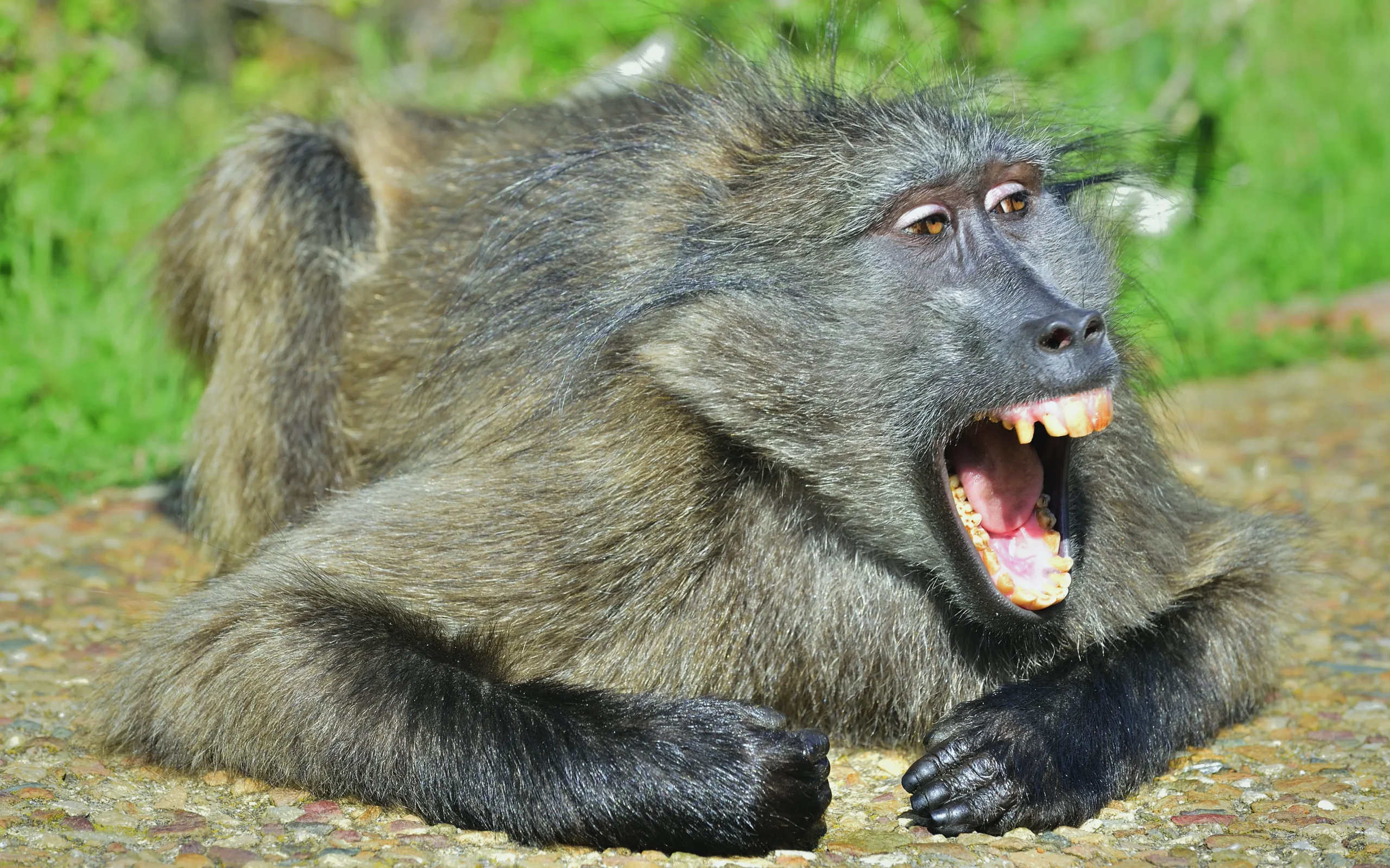
A baboon struck a makeshift house in a village in Leheley, Wajir County, and killed an infant.
Police said the infant was aged 25 days.
The mother of the minor had left the baby girl sleeping in the makeshift Somali house and went to fetch water when she came back and found the baboon running out in October 20, 2025 incident.
On checking, she found the baby dead after being mauled.
Police and Kenya Wildlife Service officials were informed of the incident and visited there.
The family was advised to seek compensation even as the probe into the incident goes on.
Officials said there are dozens of baboons roaming the area.
This is the latest incident of human-wildlife conflict amid efforts to solve the growing crisis.
In May 2025, Kenya introduced the third phase of its Human–Wildlife Conflict Compensation Programme, an initiative aimed at addressing these incidents and supporting affected families.
During its launch at Meru National Park, President William Ruto unveiled the innovative Wildlife Conservation Card, a new tool designed to help fund conservation efforts.
“Compensation is justice, but prevention is progress,” Ruto said, emphasizing the need for long-term solutions that benefit both people and wildlife.
“Through the Conservation Card, fencing, and community‑led tourism, we are turning conflict into opportunity,” he added.
Developed in partnership with KCB Bank, the Wildlife Conservation Card is available in three tiers—Platinum (Elephant), Gold (Lion), and Silver (Cheetah).
A portion of every transaction made with the card (Sh10, Sh5, and Sh3, respectively) goes directly to the Wildlife Conservation Trust Fund.
The initiative aims to enable Kenyans and international supporters to contribute to wildlife conservation while fostering economic benefits for local communities.
With this new approach, Kenya hopes to build a future where humans and wildlife can coexist more safely and sustainably.
Email your news TIPS to Editor@Kahawatungu.com — this is our only official communication channel
