

Before You Say “I Do”: A Practical Guide to Buying a Wedding Ring

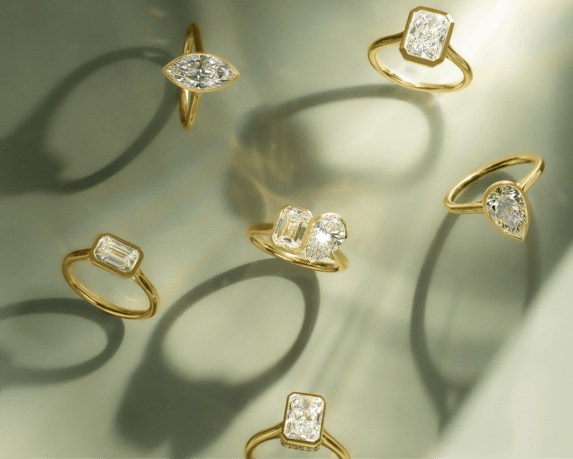
A Practical Guide to Buying a Wedding Ring
Buying a wedding ring feels like it should be simple. Walk in, pick something shiny, walk out. Then you’re standing under a jeweller’s lights facing forty options that all look the same, and suddenly it isn’t simple at all. Here’s how to actually get through it without second-guessing yourself for weeks.
Start With How You Live, Not How It Looks
A wedding ring isn’t a piece you take off after a night out. You’ll wear it cooking dinner, lifting weights, gardening, typing all day. That daily grind matters more than most people realise when they’re picking a design.
If you work with your hands, a low-profile band with no raised setting will save you a lot of grief. Tradies, nurses, chefs, anyone who’s constantly washing up or handling tools should think twice about anything with prongs that catch on gloves or fabric. It’s not about picking the least attractive option, it’s about picking one that’ll still look good in five years instead of scratched to bits after five months.
Metal Choice Changes More Than the Price Tag
Platinum, white gold, yellow gold, rose gold: the differences go well beyond colour. Platinum is denser and more resistant to wear, which is why it holds detail on intricate designs better over time. White gold needs occasional rhodium replating to keep that bright white finish, something a lot of people don’t find out until years later when their ring starts looking faintly yellow.
Yellow and rose gold are lower maintenance in that sense, but softer metals scratch more easily. None of this makes one option “better.” It just means the right choice depends on how much upkeep you’re genuinely willing to do, not which one photographs best.
Get the Sizing Right the First Time
This sounds obvious, but ring size fluctuates with temperature, time of day, and even how much salt you had at lunch. Get sized later in the day when your fingers are at their largest, and if you’re between sizes, size up rather than down. A slightly loose ring is an easy, cheap fix. A ring that’s too tight is a bigger, more expensive problem, and not one you want to discover mid-ceremony.
Matching Bands, Not Matching Prices
Couples often assume both rings need to match in style or cost, and neither is true. Metal tone matching across both rings tends to look more cohesive in photos, but the actual designs can be completely different. One partner might want a plain band, the other something with pavé detailing, and that’s entirely fine as long as the metals sit well together.
If you’re after a design that pairs classic shaping with a bit more detail without going over the top, it’s worth browsing something like the Cullen Jewellery Women’s Wedding collection, which shows a decent spread of what’s possible between plain and heavily set bands, useful as a reference point even if you end up buying elsewhere.
Budget for the Ring You’ll Actually Wear
Set your budget before you start browsing, not after you’ve fallen for something. It’s easy to justify stretching for “the one,” but a ring you’re anxious about damaging isn’t one you’ll wear comfortably. The best wedding ring is the one you forget you’re wearing, not the one you’re constantly checking is still there.
Try rings on, move your hands around like you normally would, and give yourself at least a day before committing. The right one won’t lose its shine overnight.

