

Bernard King Siblings: All About Albert King

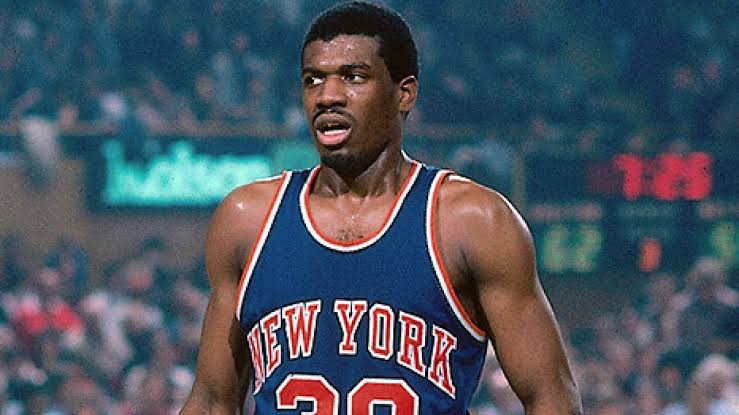
Bernard King PHOTO/Getty Images
Bernard King is remembered as one of the most explosive scorers in professional basketball, a player whose relentless competitive nature reflected his upbringing in Brooklyn, New York.
Born on December 4, 1956, he learned the game on the playgrounds of Fort Hamilton, developing from a self-doubting high school player into a future Hall of Famer.
King’s career was defined by perseverance through personal battles, including injuries such as a torn ACL, struggles with substance abuse, and controversies off the court.
Despite obstacles, he scored over 19,000 points in the NBA and became one of the league’s most feared offensive players.
After his playing days, King moved into broadcasting, motivational speaking, and community programs, including youth basketball camps in Brooklyn.
He was inducted into the Naismith Memorial Basketball Hall of Fame in 2013 and is often praised by legends like Julius Erving as one of the toughest players they ever faced.
Siblings
Bernard grew up in a competitive basketball environment, heavily shaped by the influence of his younger brother, Albert King.
Albert King, born on December 17, 1959, is the sibling most associated with Bernard’s basketball journey and was once considered one of the best high school players in the country.
Albert starred at Fort Hamilton High School before moving on to the University of Maryland, where he earned ACC Player of the Year honors in 1980 and appeared twice on the cover of Sports Illustrated that same season.
Selected 25th overall by the New Jersey Nets in 1981, Albert played nine NBA seasons with teams including the Nets, 76ers, Spurs, and Bullets.
He averaged 10.1 points per game in his career and peaked at 17.0 points per game during the 1982-83 season with the Nets.
The brothers shared a rivalry that helped drive both to success, including memorable NBA matchups such as their 1983 meeting at Madison Square Garden when Bernard was with the Knicks and Albert with the Nets.
While Albert’s career was marked by both smooth scoring and criticism for inconsistency, he and Bernard together dominated New York’s basketball scene from the mid-1970s through the early 1980s.
Career
King’s basketball rise began quietly, as he was initially overlooked in high school before earning All-City honors as a senior in 1973.
He chose the University of Tennessee, where he formed the “Ernie and Bernie Show” with teammate Ernie Grunfeld.
Also Read: Brad Davis Siblings: Getting to Know Mickey Davis

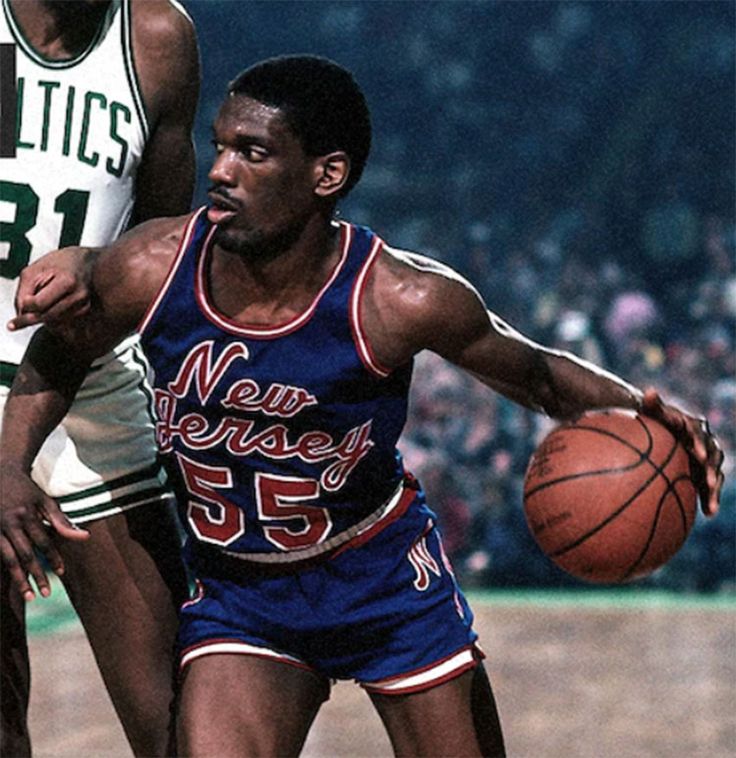
During three seasons with the Volunteers, King averaged 25.8 points and 13.2 rebounds per game, won three SEC Player of the Year awards, and led the team to Elite Eight appearances in 1976 and 1977.
He left Tennessee ranking second in school history in total points, a record that stood for decades.
Selected seventh in the 1977 NBA Draft by the New York Nets, King had an outstanding rookie year, averaging 24.2 points and breaking the franchise’s single-season scoring record.
After a short and troubled stint in Utah in 1979, he entered rehab, a turning point that rescued his playing career.
He returned to form with the Golden State Warriors in 1980-81, averaging 21.9 points and reestablishing himself as a top-level scorer.
King’s trade to the New York Knicks in 1982 set the stage for his most iconic years.
He carried the Knicks to consecutive playoff runs and delivered some of the most memorable scoring performances in NBA history, including back-to-back 50-point games in January 1984 and a 60-point game against the Nets in February 1984.
A torn ACL in the 1985 playoffs sidelined him for nearly two years, but King engineered a remarkable comeback with the Washington Bullets beginning in 1987.
He averaged 28.4 points in 1989-90, earning another All-Star appearance and reaffirming his status as an elite scorer.
King finished his career with a brief stint with the Nets in 1992-93 before retiring at age 36.
Across 14 NBA seasons, he scored 19,655 points, averaging 22.5 per game with a 51.8 percent field goal percentage.
Accolades
In college, King won three consecutive SEC Player of the Year awards from 1975 to 1977, earned three First-Team All-American selections, and had his No. 53 jersey retired by Tennessee in 2007.
In the NBA, he made the 1978 All-Rookie First Team, won the Comeback Player of the Year award in 1981, and earned four All-Star selections in 1982, 1984, 1985, and 1991.
King also earned All-NBA First Team honors in 1984 and 1985, and Second Team recognition in 1982 during his prime scoring years.
He led the NBA in scoring in 1984-85 with 32.9 points per game, the fourth-highest average in league history at the time.
His later resurgence earned him All-NBA Third Team in 1991.
King was inducted into the Naismith Memorial Basketball Hall of Fame in 2013 and has been included in various anniversary and hall of fame lists celebrating his enduring impact.

