

Botox, Balance, and Body Confidence: Inside the Wellness Revolution for Women Over 30

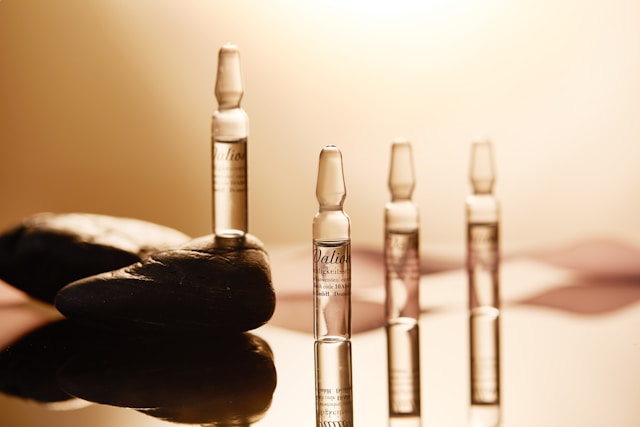
Botox, Balance, and Body Confidence
Confidence after 30 looks different for every woman, and the growing interest in quality injectables is part of a bigger shift in how women approach aging on their own terms.
Something has shifted in how women over 30 talk about aging. Where the conversation used to center on “anti-aging” as a fight against the inevitable, more women are now framing it as one part of a broader wellness routine, alongside sleep, movement, and how they eat. Quality injectables have become part of that shift for many, not as a dramatic transformation but as a small, considered piece of a larger picture. Clinics that source those products through a wholesale supplier carrying European filler and skin-booster brands are seeing that change in the kinds of questions patients bring to a first consultation.
That shift in mindset is worth understanding, both for what’s actually driving it and what it means for how women are approaching these decisions.
From “Anti-Aging” to “Aging Well”
The language shift matters more than it might seem. “Anti-aging” framed getting older as a problem to be corrected. “Aging well” treats it as a process to be supported, with injectables sitting alongside things like strength training, hormone health check-ins, and skincare that actually has an ingredient list worth reading. Women over 30 leading this shift tend to ask more specific, informed questions than the stereotype of a rushed, appearance-driven decision suggests.
Why This Age Group Specifically
The early thirties through mid-forties is often when the first visible signs of collagen decline show up, right around when many women are also navigating career demands, parenting, or both, with less time than ever for elaborate routines. That combination, visible change plus limited time, has made efficient, well-researched decisions about treatments like injectables more appealing than a drawn-out trial-and-error approach with over-the-counter products.
What “Quality” Actually Means in This Conversation
When women talk about wanting “quality” injectables, they’re usually pointing at something specific: authenticity, a practitioner who explains what they’re doing, and a result that looks like a better version of themselves, not a different face entirely. That expectation has pushed more clinics to be transparent about where their products come from, not just what the products do.
A Look at What’s Actually Driving Interest
- Social platforms normalizing open conversations about injectables, reducing stigma around asking questions
- Rising interest in preventative approaches, starting before deeper lines set in rather than after
- A broader wellness culture that treats appearance care as part of self-care, not vanity
- More women researching credentials and product sourcing before booking, rather than choosing on price alone
Setting Realistic Expectations at Any Age
A good consultation for this age group usually starts with what a patient actually wants to address, not a generic treatment menu. Subtle volume loss in the cheeks or under-eyes reads differently than deeper static lines, and the right approach, sometimes a light filler, sometimes something focused on skin quality rather than volume, depends on that specific starting point rather than a one-size-fits-all recommendation.
Why the Wellness Framing Isn’t Just Marketing
Treating injectables as one part of a wellness routine, rather than the fix, tends to produce more satisfied patients in practice. Someone who also sleeps well, manages stress, and takes care of their skin daily tends to get a more natural-looking result from the same treatment than someone treating it as a standalone solution to years of neglect elsewhere.
How Priorities Tend to Shift Through This Decade
| Life Stage | Common Priority | Typical Approach |
|---|---|---|
| Early 30s | Prevention, skin quality | Skincare, light bio-remodelling, minimal intervention |
| Mid 30s | Early volume loss, first fine lines | Targeted filler, continued skin quality focus |
| Late 30s to mid 40s | More visible volume loss, texture change | Combination approach, more individualized planning |
None of these are rigid rules, plenty of women skip straight to whatever addresses their specific concern regardless of age, but the pattern shows up often enough in consultations to be a useful starting reference rather than a fixed timeline.
Talking to Friends and Family About the Decision
Part of what’s changed is how openly women now discuss these choices with each other. Where a filler or toxin appointment might once have been a private matter, it’s increasingly a topic that comes up casually among friends, sometimes even as a shared outing. That openness has done real work in normalizing informed questions rather than quiet assumptions, and it’s part of why more women arrive at consultations already having compared notes with someone they trust.
Frequently Asked Questions
Is there an ideal age to start considering preventative treatments? There’s no universal answer, but many practitioners suggest starting the conversation, not necessarily the treatment, once fine lines begin appearing at rest, which varies by individual skin and genetics.
How can someone tell if a clinic prioritizes authentic sourcing? Ask directly. A clinic confident in its supply chain will usually explain where products come from without hesitation, rather than deflecting the question.