

Brad Davis Siblings: Getting to Know Mickey Davis

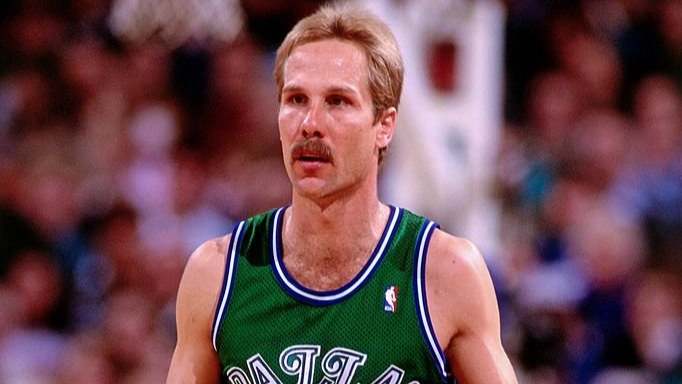
Brad Davis PHOTO/Getty Images
Bradley Ernest Davis, born on December 17, 1955, in the steel town of Monaca, Pennsylvania, emerged as one of the National Basketball Association’s most enduring point guards during the 1980s and early 1990s.
He embodied the blue-collar grit of his working-class roots, where his father, Edward Davis Sr., toiled in production management at a local steelworks.
A product of the Ohio River Valley’s industrial heartland, about 25 miles northwest of Pittsburgh, Davis carried the values of hard work and resilience into his professional career, becoming a foundational figure for the Dallas Mavericks franchise from its inception.
Known for his court vision, unselfish play, and willingness to dive for loose balls or take charges, he played 15 seasons in the NBA, appearing in 961 regular-season games and averaging 8.2 points and 4.9 assists per contest.
Siblings
Brad is the younger brother of Edward “Mickey” Davis Jr., Brad.
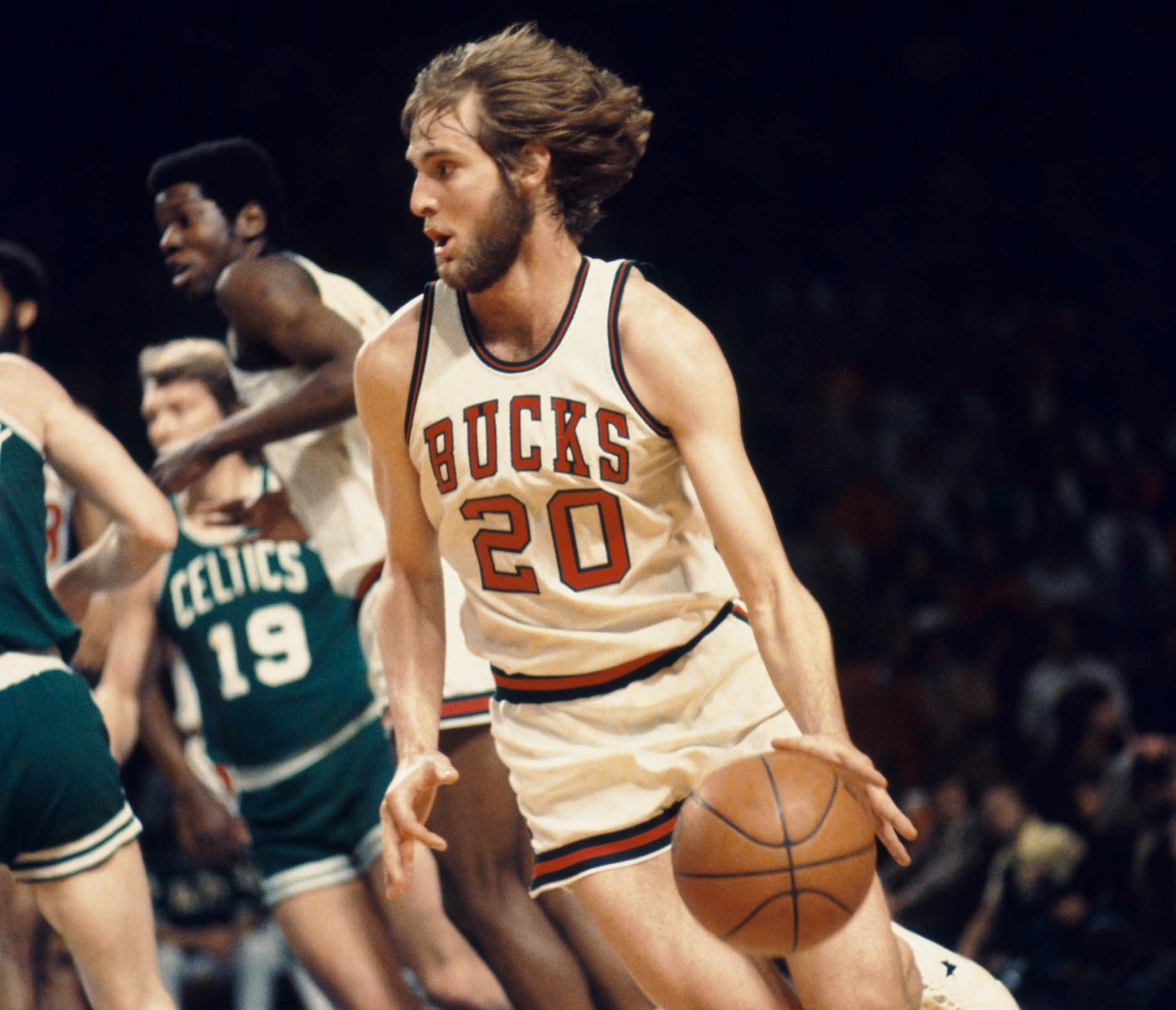
Mickey Davis, born four years earlier in 1951, was a forward who enjoyed a solid seven-year career in the league from 1974 to 1982, suiting up for teams like the Utah Jazz, New Orleans Jazz, Houston Rockets, and Cleveland Cavaliers, where he averaged 7.8 points and 4.3 rebounds over 473 games.
The brothers’ bond extended beyond the court; Mickey’s achievements at Monaca, including setting early scoring benchmarks, inspired Brad to break those records and earn Class B all-Pennsylvania honors as a senior.
Career
After a standout college tenure at the University of Maryland under coach Lefty Driesell, where he started as a freshman point guard alongside John Lucas, averaging 12.2 points and 5.1 assists over three seasons, Davis entered the 1977 NBA Draft and was selected 15th overall by the Los Angeles Lakers.
His rookie year was derailed by a broken hand that sidelined him for eight weeks, and he found himself overshadowed by fellow rookie Norm Nixon, leading to his waiver after just 10 games in the 1978–79 season.
Also Read: Jason Collins Siblings: All About Jarron Collins

Undeterred, Davis honed his craft in the Continental Basketball Association with the Anchorage Northern Knights, earning Newcomer of the Year honors in 1979–80 and helping secure a league championship.
Brief stints followed with the Utah Jazz and Detroit Pistons, but his signing as a free agent with the expansion Dallas Mavericks on December 2, 1980 — nearly two months into their inaugural season — reignited his career.
Installed as the starting point guard under coach Dick Motta, Davis became the team’s floor general, guiding the young franchise through its formative years.
Over 12 seasons with Dallas, he appeared in 883 games, averaging 8.6 points, 5.1 assists, and 1.9 rebounds in 24.2 minutes per night.
He briefly returned to the NBA in 1991–92 with the Indiana Pacers for 14 games before rejoining the Mavericks to close out his playing days.
Post-retirement, Davis transitioned into Mavericks broadcasting as a color commentator, later serving as a player development coach and community representative.
Accolades
In the 1982–83 season, Davis set Dallas records with 7.2 assists per game while tying for the team lead with 80 steals, and he set an NBA record for guards with a .572 field goal percentage that season.
Over his Mavericks tenure, Davis amassed franchise records for career assists (5,142) and steals (1,010), benchmarks that highlighted his playmaking ability and defensive tenacity.
His No. 15 jersey was retired by the Mavericks on April 10, 1993, in a ceremony celebrating his foundational impact on a franchise he helped lift from expansion beginnings to consistent playoff contention.
Earlier honors included CBA Newcomer of the Year with Anchorage in 1980, as well as high school accolades such as first-team Class B all-Pennsylvania and MVP awards at invitationals including the Roundball and Quigley Classics.
Inducted into the Beaver County Sports Hall of Fame in 1997, Davis’s legacy endures as a symbol of loyalty and resilience, earning him respect as one of the NBA’s quintessential team-first players.

