


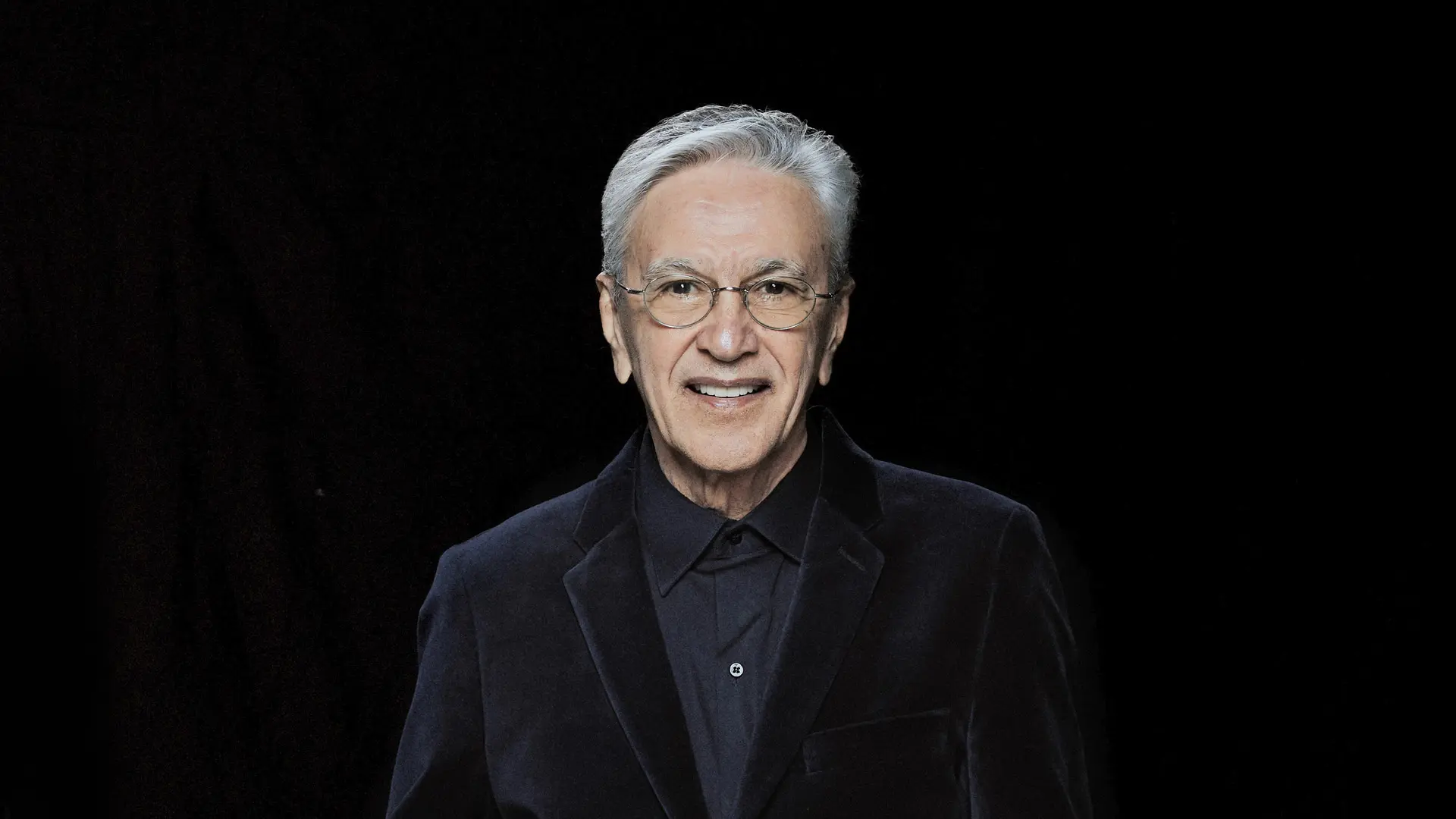
Caetano Emanuel Viana Teles Veloso, born on August 7, 1942, in Santo Amaro da Purificação, Bahia, Brazil, is a renowned Brazilian composer, singer, guitarist, writer, and political activist.
Raised in a Catholic family, he became an atheist early in life, prioritizing intellectual honesty, though he has shown openness to his family’s diverse beliefs, including attending his sons’ baptisms in the Universal Church of the Kingdom of God.
Veloso first gained prominence in the 1960s as a key figure in the Tropicália movement, blending Brazilian traditions with international rock, psychedelia, and avant-garde elements during a time of political repression under the military dictatorship.
His work spans music, film, literature, and activism, earning him comparisons to global icons like Bob Dylan and Bob Marley for his lyrical depth and cultural impact.
Siblings
Caetano was born as one of seven children to José Telles Veloso, a government official, and Claudionor Viana Telles Veloso, known affectionately as Dona Canô, who lived to the age of 105.
Among his siblings, the most prominent is his younger sister Maria Bethânia, a celebrated singer and songwriter in her own right, who has often collaborated with him and shared the spotlight in Brazil’s music scene.
Another notable sibling is Mabel Velloso, a poet and songwriter who has contributed to the family’s artistic legacy, though she is less internationally known compared to Caetano and Bethânia.
Other siblings include Nicinha Veloso and several others whose names remain private or less documented in public records, reflecting the large, close-knit family environment in which Veloso grew up in Bahia.
Career
Veloso’s career began in the 1960s when he moved to Rio de Janeiro with his sister Maria Bethânia, immersing himself in the bossa nova scene before co-founding the revolutionary Tropicália movement alongside artists like Gilberto Gil, Gal Costa, and Tom Zé.
Also Read: Stênio Garcia Siblings: Get to Know Alberto Faro Neto
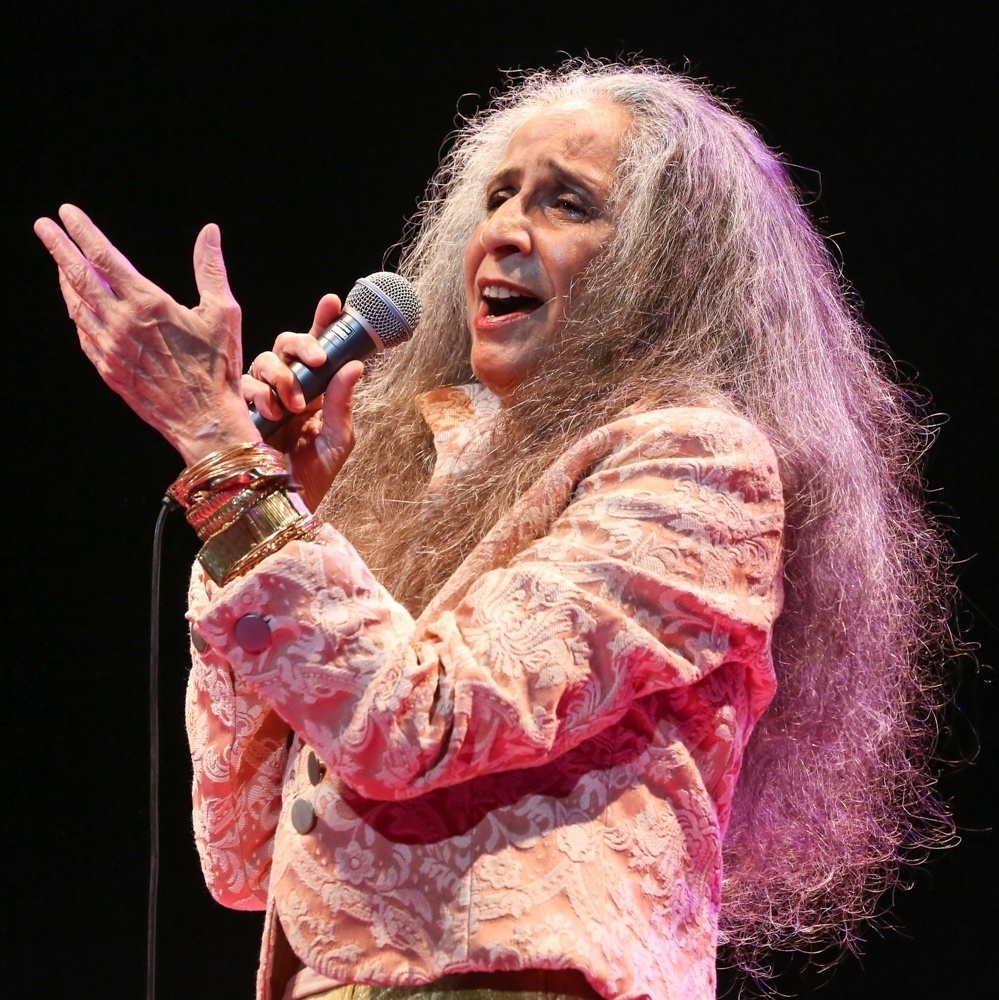
This period saw him release groundbreaking works, such as the 1968 collaborative album Tropicália: ou Panis et Circencis, which challenged musical norms and critiqued the authoritarian regime, leading to his arrest and exile to London from 1969 to 1972.
Upon returning to Brazil, he continued to innovate by fusing folk, rock, and international influences, achieving broader fame in the 1980s and 1990s with albums like Estrangeiro in 1989, which expanded his reach to audiences in Europe, Africa, and the United States.
Veloso has released over fifty albums, contributed to film soundtracks, and participated in global projects like the Red Hot Organization’s AIDS benefit compilations, including Red Hot + Rio in 1996.
In later years, he explored English-language covers with A Foreign Sound in 2004, performed at high-profile events like the 2016 Summer Olympics opening ceremony and the 2018 Eurovision Song Contest, and recorded family-oriented projects such as the 2018 live album Ofertório with his sons Moreno, Zeca, and Tom.
Accolades
Veloso has amassed an impressive array of honors throughout his career, including two Grammy Awards for Best World Music Album, for Livro in 2000 and João Voz e Violão in 2001, along with five additional Grammy nominations in categories like Best Tropical Latin Album and Best Contemporary World Music Album.
In the Latin Grammy Awards, he has secured ten wins from twenty-nine nominations, triumphing in areas such as Best MPB Album for titles like Livro and Noites do Norte, Best Singer-Songwriter Album for cê and Zii e Zie, and Record of the Year for “Talvez” in 2021, while also being named Person of the Year in 2012.
His film contributions have earned him a Grande Prêmio do Cinema Brasileiro for Best Score for Orfeu in 2000, plus nominations for other scores, and a Havana Film Festival win for Best Music in O Quatrilho in 1995.
Veloso has also claimed two MTV Video Music Brasil awards, including Best MPB Video for “Não Enche” in 1998, and three Troféu Imprensa honors, starting with Newcomer of the Year in 1968 and including Best Male Singer in 1993 and 2000.
Additionally, he received the Premios Ondas for Best Latin Artist or Group in 1996, and has been recognized with nineteen Brazilian Music Awards overall, cementing his status as a multifaceted icon in global music.
Email your news TIPS to Editor@Kahawatungu.com — this is our only official communication channel
