

Carlton Barrett Siblings: All About Aston ‘Family Man’ Barrett

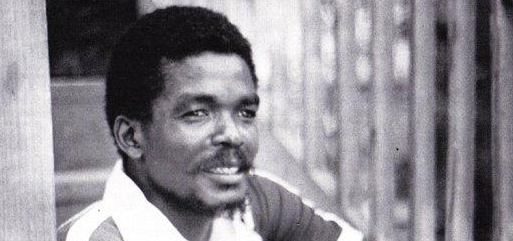
Carlton Barrett PHOTO/Pinterest
Carlton “Carly” Barrett was a legendary Jamaican drummer and musician, widely recognized as the heartbeat of Bob Marley & The Wailers.
Born on December 17, 1950, in Kingston, Jamaica, as the second son of Wilfred and Violet Barrett, he became one of the most influential figures in the development of reggae music.
Known affectionately as “Carly” or “The Field Marshall,” Barrett was celebrated for his innovative drumming style that helped define the genre’s signature sound.
He tragically passed away on April 17, 1987, at the age of 36, after being shot outside his home in Kingston.
Siblings
Carlton came from a musically inclined family and was particularly close to his older brother, Aston “Family Man” Barrett, a masterful bassist.
The Barrett brothers formed a formidable rhythm section that served as the backbone of The Wailers for many years.
Together, they began their professional journey as part of Lee “Scratch” Perry’s house band, The Upsetters, before joining forces with Bob Marley.
Family Man provided the deep, anchoring bass lines that complemented Carly’s intricate drumming, creating the tight, revolutionary groove that propelled reggae onto the world stage.
Career
Barrett’s musical journey started in his teenage years in Kingston, where he constructed his first drum kit from makeshift materials.
He honed his skills alongside his brother Aston in the vibrant Jamaican music scene of the late 1960s.
Also Read: Aleyna Tilki Siblings: Get to Know Ayça Tilki

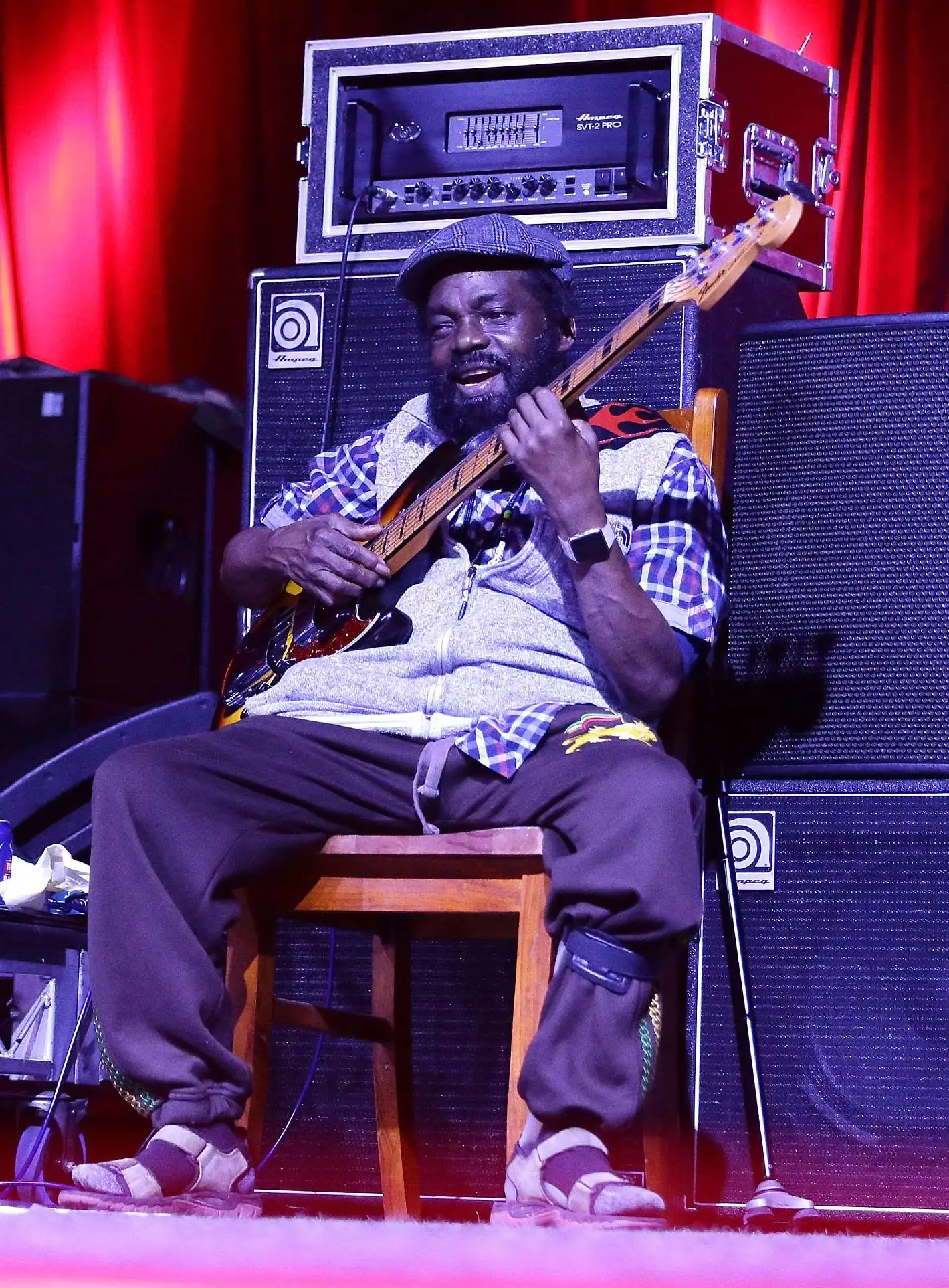
The pair first gained recognition as members of Lee “Scratch” Perry’s Upsetters, contributing to numerous recordings that blended rocksteady and emerging reggae styles.
In 1970, the Barrett brothers officially joined The Wailers, initially collaborating with Bob Marley, Peter Tosh, and Bunny Wailer.
They helped transition the group from its earlier ska and rocksteady roots into the mature reggae sound that would achieve international acclaim.
Carly’s drumming became a defining element, particularly his popularization of the “one-drop” rhythm—a percussive style where the emphasis falls on the third beat of the bar, often accompanied by a syncopated, broken triplet pattern on the hi-hat cymbals.
This technique gave reggae its distinctive, laid-back yet propulsive feel.
Barrett performed and recorded on virtually all of Bob Marley & The Wailers’ major albums after joining, including classics like Natty Dread, Rastaman Vibration, Exodus, Kaya, Survival, and Uprising.
His work extended to hits such as “Duppy Conqueror,” “Soul Rebel,” “Small Axe,” and “Get Up, Stand Up.”
Even after the original Wailers trio disbanded, the Barrett brothers remained central to Marley’s solo career and the band’s evolution.
Barrett’s playing was not only technically brilliant but also deeply intuitive, often described as writing, arranging, and performing with unparalleled sophistication.
He continued performing with The Wailers until his untimely death, leaving an indelible mark on reggae’s rhythmic foundation.
Accolades
Barrett is frequently hailed as the pioneer who brought the one-drop rhythm to prominence, fundamentally shaping how the world perceives reggae drumming.
His contributions to Bob Marley & The Wailers’ iconic catalog helped the band achieve global superstardom, with albums like Exodus earning widespread acclaim and cultural significance.
Barrett has been honored through tributes by The Wailers band, reggae historians, and fellow musicians who credit him with elevating the roles of drummers and bassists in Jamaican music.
Events and commemorations, such as honors in Miami and ongoing celebrations on his birthday and passing anniversary, continue to highlight his legacy.
In biographical accounts and drum community discussions, he is ranked among Jamaica’s finest percussionists, with his style studied and emulated by aspiring drummers worldwide.

