

Charles Oakley Net Worth

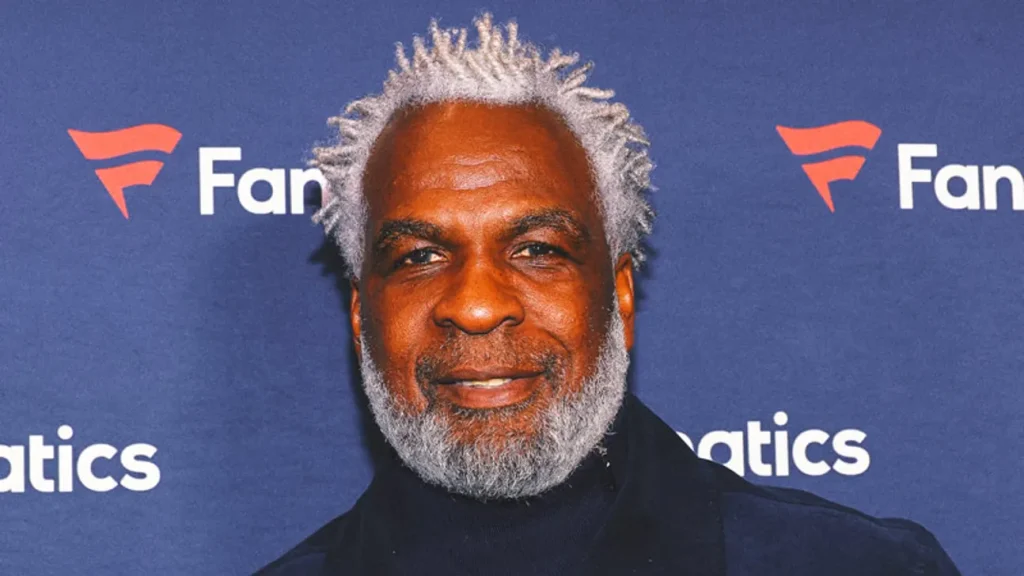
Charles Oakley has an estimated net worth of $12 million. The retired American professional basketball player built his wealth during a 19-year NBA career, earning millions of dollars through contracts with several teams, including the Chicago Bulls, New York Knicks, Toronto Raptors, Washington Wizards and Houston Rockets.
Oakley became known for his physical playing style, defensive toughness and exceptional rebounding. He was an important member of the New York Knicks during the 1990s, helping the team reach the 1994 NBA Finals. He also played alongside basketball legend Michael Jordan during his first stint with the Chicago Bulls and later reunited with him in Washington.
According to the available career earnings figures, Oakley earned approximately $43.6 million in NBA salaries. His highest-earning season was 2000-01, when he received about $8.75 million while playing for the Toronto Raptors.
Beyond basketball, Oakley has pursued coaching and business ventures. He has owned family-run businesses in Cleveland, Ohio, and operated automotive service businesses in New York. His career after retirement has also included public disputes, particularly his long-running disagreement with the New York Knicks organization.
| Charles Oakley Net Worth | $12 Million |
| Date of Birth | December 18, 1963 |
| Place of Birth | Cleveland, Ohio |
Early Life
Charles Oakley was born on December 18, 1963, in Cleveland, Ohio. He attended John Hay High School, where he developed his basketball skills and began establishing himself as a strong player.
After high school, Oakley attended Virginia Union University in Richmond, Virginia. He became one of the standout players in the university’s basketball programme, combining scoring ability with physical strength and rebounding.
During his senior season, Oakley helped lead the team to a 31-1 record. The campaign ended with the 1985 Central Intercollegiate Athletic Association championship, while Oakley earned NCAA Division II Player of the Year honours.
He finished his college career with 2,379 points and 1,642 rebounds. His performances attracted attention from NBA scouts and positioned him for the 1985 NBA Draft.
Oakley’s college success was an important first step toward the professional career that would later become the main source of his wealth.
Chicago Bulls: The Start of His NBA Career
Oakley’s NBA career began with the 1985 draft. The Cleveland Cavaliers selected him, but his draft rights were subsequently traded to the Chicago Bulls.
He joined a Chicago team featuring a young Michael Jordan, who was rapidly emerging as one of the league’s leading players. Oakley brought physical strength, rebounding and defensive intensity to the roster, complementing Jordan’s scoring ability.
During his early years with the Bulls, Oakley developed a reputation as a tough interior player who could compete against some of the NBA’s strongest forwards and centres. He was also known for protecting teammates from aggressive opponents and maintaining a physical presence around the basket.
Oakley demonstrated his scoring ability as well. In March 1986, he recorded a career-high 35 points in a game against the Milwaukee Bucks.
His rookie salary was approximately $75,000, a modest amount compared with the contracts he would earn later in his career. However, his performances established him as a valuable NBA player and helped lay the foundation for future salary growth.
Oakley spent three seasons with Chicago before being traded to the New York Knicks in 1988. The move would become one of the defining periods of his professional career.
New York Knicks: The Defining Years
Oakley joined the New York Knicks in 1988 and quickly became a central figure in the team’s lineup. He played alongside Patrick Ewing, Anthony Mason, Mark Jackson and John Starks, forming part of a group known for its physical approach and defensive intensity.
During his decade with the Knicks, Oakley became one of the NBA’s most respected rebounders and interior defenders. His ability to win battles under the basket, defend opposing big men and create additional possessions made him an important part of the team’s success.
The 1993-94 season was a career highlight. New York won the Atlantic Division and advanced to the NBA Finals, where it faced the Houston Rockets. The series went to seven games, with Houston eventually winning the championship.
Oakley’s contribution was particularly notable for his durability. He recorded 107 starts during the season, including starts in 25 playoff games, demonstrating how central he was to the team’s plans.
The Knicks remained competitive throughout the 1990s, regularly reaching the playoffs. Although they did not return to the Finals during the remainder of Oakley’s tenure, he maintained his reputation as a dependable defensive player.
His long stay in New York increased his profile among basketball fans and strengthened his standing as one of the league’s most recognisable power forwards. The contracts he earned during this period also contributed to his overall NBA career earnings.
Oakley remained with the Knicks until 1998, when he was traded to the Toronto Raptors.
Toronto Raptors: Veteran Leadership and Salary Growth
Oakley joined Toronto in 1998, bringing experience and physical toughness to a developing team. The Raptors had young players such as Tracy McGrady and Vince Carter, and Oakley’s presence provided veteran leadership in the frontcourt.
He continued to contribute through rebounding, defense and his willingness to compete against larger opponents. While his role evolved with age, he remained an experienced presence for the team.
In early 2001, Oakley recorded a career-high six blocked shots in a game. He also came close to a triple-double with 12 points, 10 rebounds and seven assists, illustrating his ability to contribute in several areas.
The 2000-01 season was financially significant for Oakley. He earned approximately $8.75 million, the highest annual salary of his NBA career.
That salary represented the financial rewards of his years as an established NBA veteran. By then, he had spent more than a decade in the league and had earned a reputation as a reliable defender and rebounder.
Oakley’s time in Toronto added another important chapter to his playing career before he returned to Chicago in 2001.
Return to the Chicago Bulls
Oakley returned to the Chicago Bulls in 2001, more than a decade after beginning his NBA career with the franchise.
He spent the 2001-02 season with the team, starting 36 of his 57 appearances. He averaged 3.8 points, six rebounds and two assists per game.
Although his scoring production had declined, Oakley continued to offer experience and physical play. His role was different from that of his earlier years, but his familiarity with the league remained valuable.
The return to Chicago was brief. After one season, Oakley moved to the Washington Wizards as a free agent.

Washington Wizards and Reunion With Michael Jordan
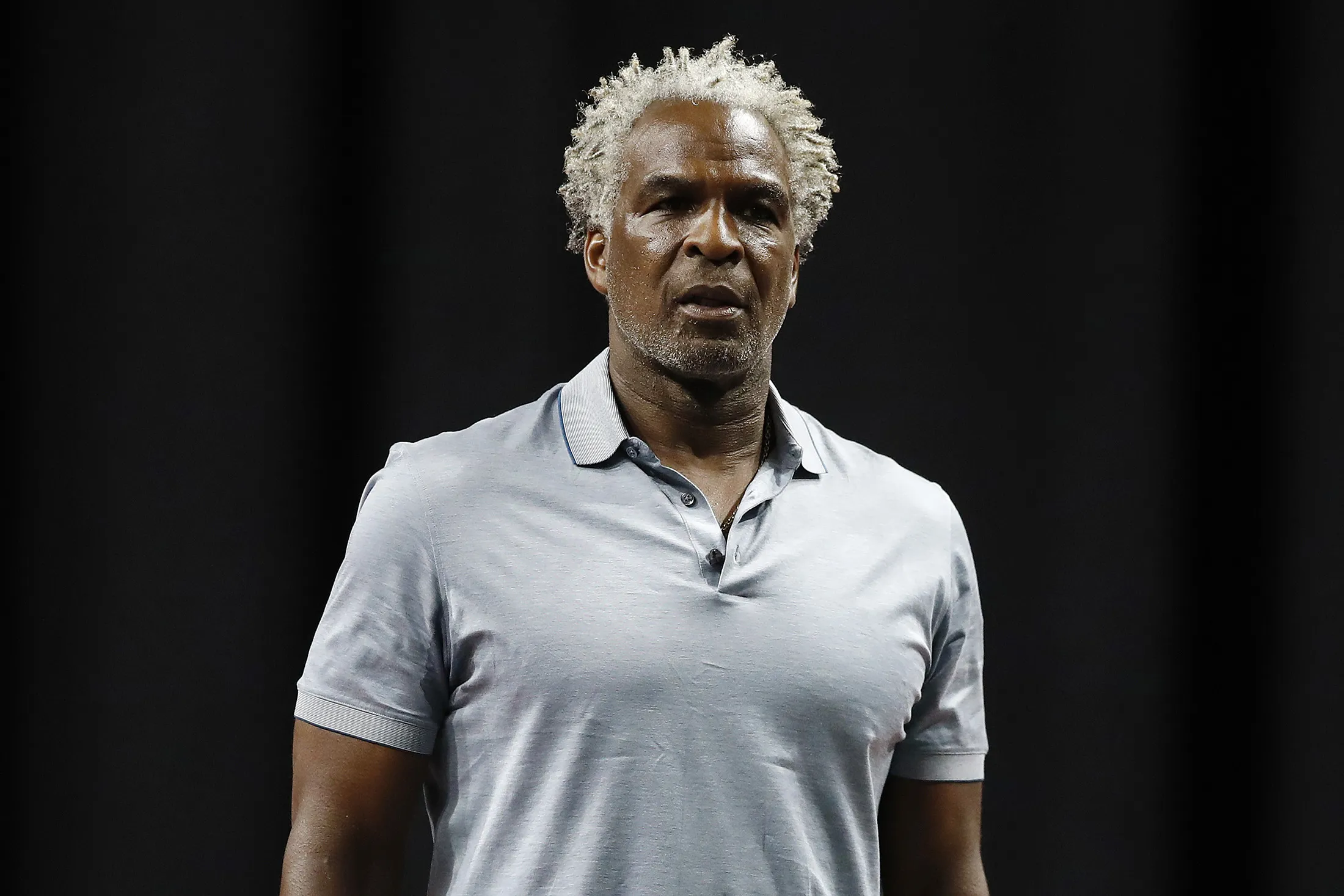
In 2002, Oakley signed with the Washington Wizards, reuniting with Michael Jordan, his former teammate from their Chicago days.
The Wizards represented another opportunity for Oakley to contribute as a veteran player. However, his role was limited during the 2002-03 season.
He appeared in 42 games, averaging 1.8 points, 2.5 rebounds and one assist per game. Although his on-court contribution was smaller than during his peak years, his long experience in the NBA remained a defining feature of his career.
Oakley left Washington after one season. His final NBA opportunity came with the Houston Rockets in 2004.
Houston Rockets and Retirement
Oakley signed a 10-day contract with Houston in 2004, marking the final stage of his professional playing career.
He appeared in seven games for the Rockets, averaging 1.3 points, 0.7 rebounds and 0.3 assists per game. He retired at the end of the season, concluding a career that had spanned nearly two decades.
Oakley finished with 12,417 points, 12,205 rebounds and 3,217 assists in the NBA. His career statistics reflect the importance of rebounding and defense to his playing style.
Although he was not primarily known as a high-scoring star, Oakley’s toughness, consistency and willingness to perform demanding defensive duties made him a valuable player for several teams.
His long career also gave him the opportunity to earn substantial contracts over many seasons, forming the financial foundation of his estimated $12 million net worth.
Charles Oakley’s NBA Salary
Oakley earned approximately $43.6 million in NBA salary during his professional playing career, according to the available figures.
His first NBA salary with Chicago was about $75,000 during his rookie season in 1985. As he established himself as a dependable starter, his compensation increased with subsequent contracts.
His years with the Knicks helped strengthen his position as one of the league’s reliable veteran forwards. His move to Toronto later brought the highest annual salary of his career, with earnings of approximately $8.75 million during the 2000-01 season.
These figures represent gross career earnings rather than the amount Oakley retained. Professional athletes must account for taxes, agent fees, living expenses and other financial obligations, meaning career salary and net worth are not the same.
Oakley’s estimated $12 million net worth reflects his reported NBA earnings alongside his later business activities and other financial interests. A complete public breakdown of his assets, investments and liabilities is not available in the information provided.
Business Ventures and Investments
After retiring from professional basketball, Oakley pursued business interests outside the NBA. His ventures included family-run businesses in his hometown of Cleveland and automotive service operations in New York.
In Cleveland, Oakley owned Hair Solutions, a hair salon, and Nails EtCetera, a nail salon. He also owned Oakley’s Wash House, a business combining a car wash and laundromat.
The businesses were family-run, allowing Oakley to maintain a connection to his hometown while exploring opportunities beyond professional sports.
Oakley also owned a chain of car wash, oil-change and vehicle-detailing centres in New York. These businesses represented another source of commercial activity following his retirement from basketball.
Although the individual revenues and profits from these enterprises have not been specified in the available information, they demonstrate Oakley’s interest in building business interests beyond his NBA career.
His entrepreneurial activities are relevant to his overall financial profile, although it is not possible to determine exactly how much they contribute to his estimated net worth.
Coaching Career After Retirement
Oakley remained involved in basketball after retiring as a player. In late 2010, he joined the coaching staff of the Charlotte Bobcats as an assistant coach, serving for approximately one year.
The position allowed him to share his professional experience with NBA players. His background as a physical power forward and elite rebounder gave him practical knowledge of interior defense, positioning and the demands of playing in the frontcourt.
In 2017, Oakley became the coach of the Killer 3s in the BIG3, a professional three-on-three basketball league featuring former NBA players.
The role gave him another opportunity to remain active in professional basketball. Coaching also allowed him to use the experience he had gained over 19 seasons in the NBA.
Details of Oakley’s coaching salaries have not been provided, so the precise contribution of these positions to his wealth remains unclear.
Dispute With the New York Knicks
Oakley’s relationship with the New York Knicks organization became a major public issue after his playing career.
On February 8, 2017, Oakley was involved in an altercation at Madison Square Garden during a game between the Knicks and the Los Angeles Clippers. The incident involved Knicks owner James Dolan and arena security personnel.
Oakley was removed from the arena after a confrontation in the stands. He was subsequently arrested and faced misdemeanor assault charges and a criminal trespassing charge. The incident contributed to a highly publicised dispute between Oakley and the organization.
In the years that followed, Oakley remained openly critical of the Knicks. His relationship with the team became strained, and he reportedly was not invited to certain team events. Reports also indicated that he had to pay for his own tickets to attend games.
The dispute became part of Oakley’s public profile after retirement. However, it is separate from the main sources of his wealth, which were established during his NBA playing career and through his business ventures.
Personal Life
Oakley married Angela Reed in the summer of 2016. His personal life has occasionally attracted public attention, but much of his reputation remains tied to his years as a professional basketball player.
In 2016, he was inducted into the Virginia Sports Hall of Fame and Museum, recognising his basketball achievements and contribution to the sport.
His career is remembered for his toughness, rebounding and willingness to perform demanding defensive roles. He played alongside some of basketball’s most prominent names and became a key figure in the Knicks’ competitive teams of the 1990s.
In 2025, Angela Oakley began appearing on The Real Housewives of Atlanta, bringing additional public attention to the family.
Also Read: Tyrone Hill Net Worth

