


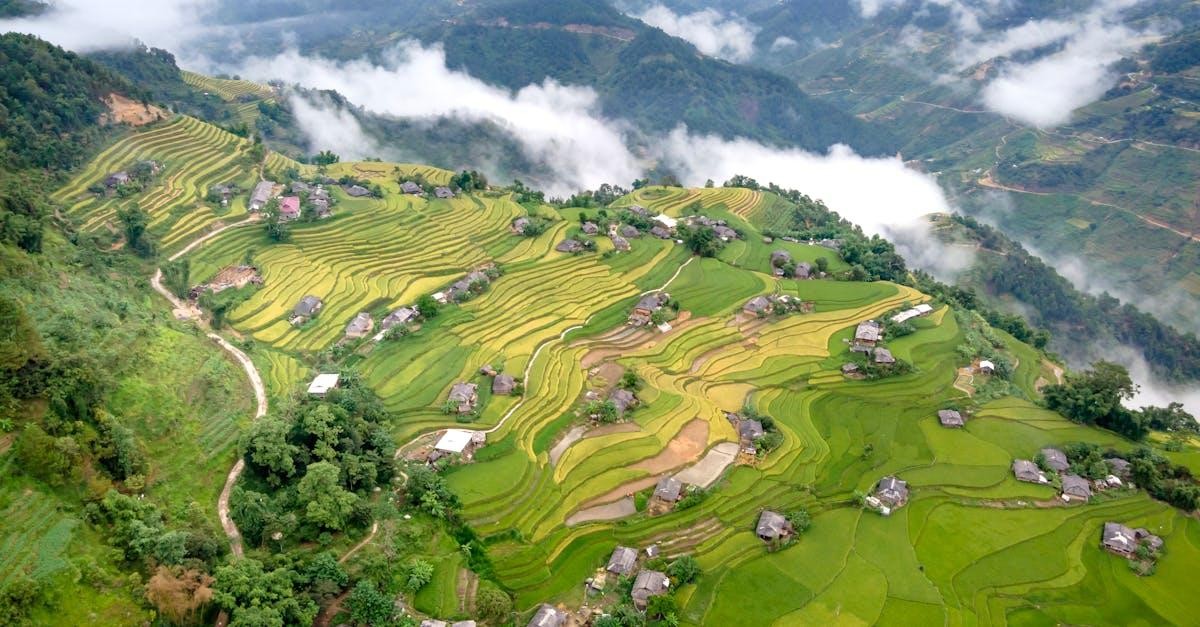
As climate change reshapes our planet, its impact on agriculture is becoming increasingly evident. Farmers face unprecedented challenges, from shifting weather patterns to more frequent extreme events. Yet, amid these difficulties, we see remarkable resilience and innovation within the farming community as they adapt to this changing world.
In this article, we’ll explore the strategies farmers are employing to combat climate change. By embracing sustainable practices and leveraging technology, they’re not just surviving but thriving in the face of adversity. Join us as we delve into the inspiring stories of those who are transforming their approach to agriculture, ensuring food security for future generations.
Climate Change Overview
Climate change significantly impacts agriculture, challenging farmers worldwide. Understanding its scientific basis and current trends helps us grasp the urgency of adapting our farming practices.
Scientific Basis of Climate Change
Climate change results primarily from greenhouse gas emissions, notably carbon dioxide and methane, generated by human activities. These gases trap heat in the atmosphere, causing global temperatures to rise. According to the Intergovernmental Panel on Climate Change (IPCC), agricultural practices contribute approximately 10-12% of these emissions. As temperatures increase, we may experience altered growing seasons and shifts in crop viability, necessitating adaptations in crop selection and management strategies.
Current Trends and Impacts
Current trends reveal increasing weather variability and extreme events. For instance, we observe higher frequencies of droughts and heavy rainfall, disrupting traditional farming schedules. Crops such as thornless blackberry plants may thrive under new conditions, while others may fail. Furthermore, rising temperatures affect pest populations, requiring farmers to adjust pest management strategies. These changes challenge food security, compelling us to innovate continuously and implement sustainable practices to maintain productivity and resilience in agriculture.
Agricultural Challenges
Farmers face numerous challenges due to climate change, impacting their ability to produce food effectively. Shifting weather patterns and extreme events create obstacles that require innovative solutions.
Crop Yields and Climate Variability
Crop yields fluctuate significantly with climate variability. Extreme weather events, such as droughts and heavy rainfall, directly affect our harvests. Farmers may turn to resilient crop varieties, including thornless blackberry plants, that withstand these adverse conditions. Adjusting planting times and diversifying crops can mitigate risks associated with unpredictable weather, ensuring a more stable production.
Soil Degradation and Quality
Soil quality suffers as a result of climate change-driven erosion and nutrient depletion. Increased rainfall leads to runoff, washing away essential nutrients. We emphasize the importance of sustainable practices, such as cover cropping and using bermuda grass seed to improve soil health. These strategies help maintain soil structure, enhance moisture retention, and support overall farm productivity in our changing landscape.
Adaptive Strategies for Farmers
Photo by Tim Mossholder on Unsplash
Farmers are implementing various adaptive strategies to navigate the challenges posed by climate change. These approaches include crop diversification, effective water management, and the integration of technology.
Crop Diversification Practices
Farmers adopt crop diversification to reduce risks associated with climate variability. By planting multiple crop varieties they can enhance resilience against pests and diseases while improving soil health. Diverse crops also support better nutrient availability and can stabilize farm income through alternative revenue streams.
Water Management Techniques
Effective water management techniques play a crucial role in adapting to shifting weather patterns. Farmers implement practices like rainwater harvesting, drip irrigation, and scheduling irrigation according to crop needs. These strategies promote efficient water use and minimize waste. Additionally, utilizing drought-resistant crops and grasses can enhance drought resilience and ensure consistent yields even during periods of limited water availability.
Technology in Agriculture
Farmers increasingly integrate technology to boost productivity and adapt to changing conditions. Precision agriculture tools, like soil moisture sensors and weather forecasting apps, provide critical data to optimize resource use. Drones assist in monitoring crop health and managing pests, allowing for timely interventions. These technological advancements enable farmers to make informed decisions, improving overall sustainability and efficiency in agriculture.
Policy and Community Support
Farmers adapting to climate change benefit significantly from supportive policies and community initiatives that address current challenges. For more insights on this pressing issue, check out resources from the United Nations Food and Agriculture Organization.
Government Initiatives and Programs
Government programs play a crucial role in supporting farmers facing climate change. Initiatives offering financial aid for adopting sustainable practices, like cover cropping and advanced irrigation systems, enhance resilience. For instance, funding for research into drought-resistant crops helps farmers diversify and secure yields despite shifting conditions. Furthermore, subsidies for eco-friendly farming equipment incentivize sustainable approaches, fostering innovation and increasing competitiveness.
Role of Local Communities
Local communities provide essential networks that help farmers adapt to climate challenges. Agricultural cooperatives facilitate sharing resources, knowledge, and best practices. Community workshops focusing on sustainable methods educate farmers on effective techniques. These collaborations also promote the development of local markets, ensuring farmers can sell diverse produce and boost incomes while fostering a supportive environment for ongoing adaptation efforts.
Email your news TIPS to Editor@Kahawatungu.com — this is our only official communication channel
