

Cost-Effective Home Heating: Can Pellet Stoves Save You Money?

Cost-Effective Home Heating
As energy prices continue to creep upward, many homeowners are reconsidering how they heat their homes. Among the emerging alternatives, pellet stoves have gained attention as a potentially cost-effective, eco-friendly solution. But do they really save you money in the long run? In this article, we’ll dig into how pellet stoves work, what their costs are, and whether they can deliver real savings in a typical home heating scenario.
What Is a Pellet Stove and How Does It Work?
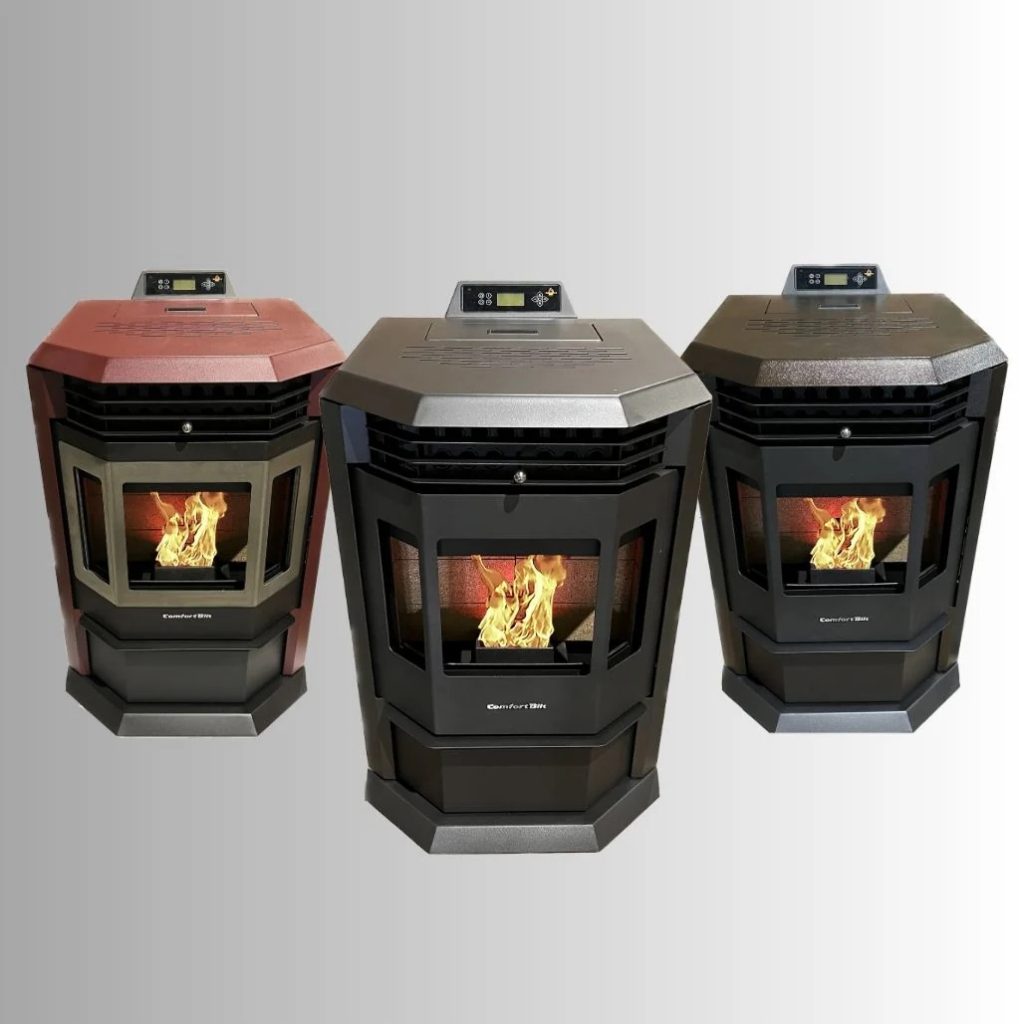
A pellet stove burns compressed biomass “pellets”—often made from sawdust, wood chips, or other wood waste—rather than conventional fossil fuels or firewood. These stoves are designed with a hopper (a storage container) that automatically feeds pellets into the combustion chamber via an auger, allowing the fire to modulate up or down based on the set thermostat.
Because pellets are dense, low in moisture, and uniform in shape, they burn more predictably than unseasoned firewood. Many modern pellet stoves, especially those certified by the EPA, perform with efficiencies in the 70–83% range.
Pellet stoves can be either freestanding or inserted into existing fireplaces, and they often require simpler venting than traditional wood stoves.
Upfront & Operating Costs: What to Expect
Initial Investment & Installation
One of the first barriers is the purchasing and installation cost. Most pellet stoves themselves cost between USD 1,700 and USD 3,000, though higher-end models or more complex installations can push beyond that range.
On the plus side, pellet stoves often require less expensive venting compared to wood stoves, since they can be direct-vented (sometimes horizontally through an exterior wall) and don’t always demand a full masonry chimney. That can reduce the overall installed cost.
Other costs include permits, vent piping, electrical connection (since pellet stoves need power to run feed motors, fans, and controls), and labor. Be sure to budget for those when comparing alternatives.
Fuel Costs & Efficiency
Fuel cost is where the economic case for pellet stoves hinges.
- Pellet prices in the U.S. currently range around USD 200–300 per ton (or about USD 5–7 per 40-lb bag).
- A household using a pellet stove as a primary heat source might burn 2 to 3 tons of pellets over a heating season.
- With an 80 %-efficient pellet stove, the effective cost per delivered unit of heat often competes favorably against electric resistance heating, propane, or heating oil.
For example, in one county in New England, switching from heating oil to pellet fuel yielded over 50 % savings in monthly heating bills, according to local experts.
Higgins Energy offers a sample comparison: a home using about four pellet “pallets” might spend USD 1,200, versus over USD 2,700 on heating oil—yielding savings of over USD 1,500.
It’s also worth noting that pellets tend to have more stable pricing over time, thanks to domestic production and renewable supply chains, while fossil fuel costs are more volatile.
Electricity & Maintenance Overhead
Though pellet stoves don’t run on electricity as their primary fuel, they do require electric power for their igniter, feed motor, fans, and control electronics. Under normal use, this might amount to around 100 kWh per month (roughly USD 9 in many U.S. markets).
Maintenance is also important. Weekly ash removal, periodic cleaning of fans and heat exchangers, and annual professional servicing are part of keeping peak efficiency—and avoiding breakdowns.
Neglecting maintenance can degrade performance and even raise safety risks, so factor those labor or service costs into your long-term budget.
Can Pellet Stoves Really Save You Money?
Given all the costs, do pellet stoves truly offer net savings? The answer is: often yes, but it depends on your home, fuel alternatives, and usage patterns.
When the Math Works in Your Favor
You’re more likely to see cost savings via pellet stoves if:
- You currently use a high-cost fuel (electric resistance, oil, or propane).
- Your home is well insulated and efficiently sealed.
- You can burn the pellet stove most of the heating season (i.e. supplementing rather than half-hearted usage).
- You pay reasonable, stable pellet prices in your region.
In such a scenario, payback periods of 3 to 7 years aren’t uncommon. Many homeowners report that the stove “pays for itself” after a few seasons.
As one Reddit user reported:
“My first pellet stove paid for itself on 1.4 heating seasons… Saved so much compared to electric baseboards.”
Still, not every case is so rosy. Some users compare usage with baseboard heating or encounter unusually high pellet consumption, eating into savings.
Risks, Caveats & When It Might Not Save You
- If electricity is extremely expensive, the required electrical draw may cut into your expected gains.
- In regions where pellets are costly or difficult to source, fuel cost might erode the benefit.
- Homes with many heating zones, poor insulation, or inefficient layouts may not “spread” the heat effectively.
- If someone isn’t committed to routine maintenance, performance will degrade.
- During power outages, unless you have a generator or battery backup, the stove will stop working—unlike non-electric options.
In short: pellet stoves are not a magic bullet, but under favorable conditions, they can be a sound investment.
Tips to Maximize Savings with Pellet Stoves
- Select a high-efficiency, EPA-certified model
Choose a unit in the upper range of efficiency (80 %+), as every percentage point is thermal energy you keep rather than lose. - Pair with proper zoning or supplemental heat
Use the pellet stove in your most-used areas (e.g. living room, main floor) while retaining a central system for backup. - Pre-buy pellets in bulk
Lock in favorable pricing and reduce the impact of seasonal fluctuations. - Store pellets in a dry, well-sealed area
Moisture degrades pellet energy content and causes clogs. - Maintain diligently
Weekly ash cleaning, inspection of gaskets, fan maintenance, and an annual professional check ensure longevity and efficiency. - Insulate & air-seal your home
No heating system compensates for drafts or poor insulation; get your building envelope in shape first.
Final Verdict: Worth It?
Yes — in many cases, pellet stoves do save homeowners money over time, especially when replacing costlier fuels like electricity, oil, or propane. Their efficient combustion, relatively stable fuel cost, and lower venting complexity make them a compelling option.
However, the degree of savings depends heavily on your location, alternative fuel costs, home efficiency, and commitment to maintenance. If you’re seriously considering the switch, do a fuel-cost comparison (cost per million BTU delivered) and run a payback analysis that includes installation, electricity, and service.