

Court lifts shisha ban, terms enforcement unlawful, unconstitutional

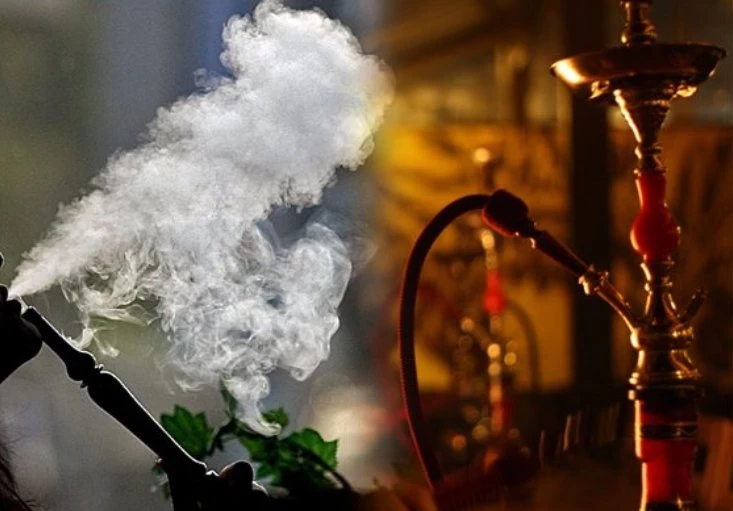
The High Court lifted the ban on shisha, ruling that continued enforcement of the prohibition is unlawful and unconstitutional.
Justice Bahati Mwamuye ruled that the Public Health (Control of Shisha Smoking) Rules, 2017 ceased to have legal effect after the government failed to regularise them within the nine-month period granted by the court in 2018.
The judge found that authorities could no longer rely on the expired regulations to enforce the ban, and declared unlawful a February 3, 2025 press release and an April 14, 2025 directive announcing a crackdown on shisha outlets.
Mwamuye also held that continued enforcement of the ban violated the petitioners’ constitutional rights, and barred the government from enforcing the expired rules and subsequent directives against members of the Novel Tobacco Products Association.
This is a relief to many operators in the product who have in the past been harassed and arrested by authorities.
Court of Appeal had made ruling that upheld Gazette Notice No. 292 of 2017, which banned the sale, promotion, and use of shisha in Kenya.
The appellate court dismissed a petition challenging the ban, giving NACADA full legal backing to enforce the law.
Kenya imposed a ban on shisha in 2017, including advertising, promoting, distributing and encouraging or facilitating its use. Shisha smoking, also known as water pipe, hookah, or hubble-bubble, was outlawed in Kenya in 2017.
The comprehensive ban covered use, import, manufacture, sale, promotion, and distribution of the product. Offenders face fines starting at Sh50,000 or a minimum jail term of six months.
Kenya joined neighboring East African countries Uganda, Tanzania, and Rwanda in prohibiting the use of shisha.
The agency said they will continue with the exercise in other joints.
In 2017, Kenya implemented a comprehensive ban on shisha, including advertising, promotion, distribution and encouraging or tacilitating its use.
“Any person who contravenes any provision of these regulations may, where a penalty is not expressly provided for in any provision of the Act, be liable to the penalty provided for in section 163 of the Act,” the government said when announcing the ban on December 27, 2017.

