

Dairy Board Says Milk Production to Increase from October as Supply Constraints Persist

The Kenya Dairy Board (KDB) has projected an improvement in milk production from October as the country looks forward to the October-November-December (OND) rainfall season, which is expected to improve pasture and fodder availability in key milk-producing areas.
The Board said the current decline in milk supply is largely linked to seasonal production conditions, particularly dry and cold weather affecting dairy farming areas across the country.
In a media statement dated September 1, 2026, KDB Managing Director Dr William Maritim reassured consumers and dairy industry stakeholders that milk remains available in the market despite temporary supply constraints being experienced in some parts of the country.
According to the Board, formal milk deliveries to processors declined by 3.7 per cent between June and July 2026.
The volume fell from 84.4 million litres in June to 81.3 million litres in July, with preliminary data for August indicating that formal milk deliveries could have declined further.
The Board attributed the trend to prevailing seasonal production conditions affecting milk-producing areas.
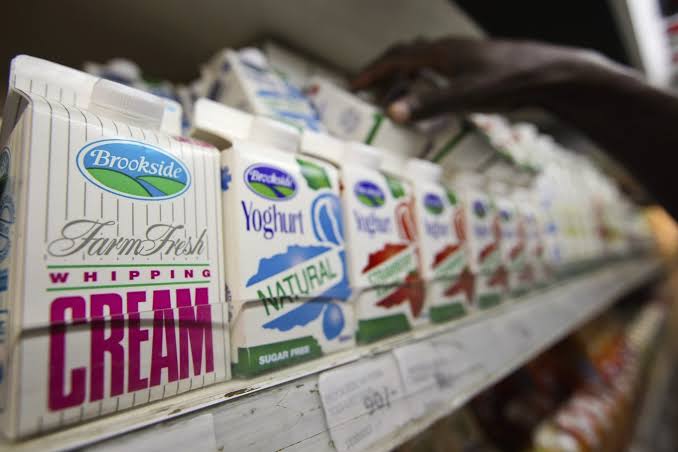
The decline has also been reflected in some retail outlets, where consumers have reported reduced availability of certain milk brands and pack sizes.
KDB said the situation is expected to improve as the country enters the OND rainfall season.
The rains are expected to improve pasture and fodder availability, providing dairy farmers with better conditions for feeding their animals and increasing milk production.
“The outlook for the October-November-December 2026 rainfall season is expected to support recovery in pasture and fodder availability, leading to improved milk production and supply as conditions become more favourable,” the Board said.
This could bring relief to consumers and dairy processors who have experienced supply constraints in some parts of the country.
The expected improvement in pasture conditions is also likely to support farmers whose production has been affected by the prevailing dry and cold weather.
The Dairy Board said its recent market surveillance has established varying degrees of milk supply constraints across the country.
The challenges have been reflected in low stock levels, reduced availability of some brands and pack sizes and delayed replenishment in some retail outlets.
Pasteurised milk has generally been more affected by the supply constraints, while long-life milk products, including extended shelf-life (ESL) and ultra-high temperature (UHT) milk, have remained comparatively more available.
Despite the challenges, KDB said retail milk prices remain generally stable, although some upward price movements have been observed in areas experiencing supply constraints.
The Board said the government is implementing interventions aimed at strengthening milk production and improving the resilience of the dairy value chain.
Among the measures is the procurement and distribution of milk coolers to improve milk aggregation and preservation.
The government is also supporting dairy herd improvement through subsidised sexed semen, with the interventions expected to contribute to increased production and more stable milk supplies over time.
The measures are intended to address some of the challenges facing dairy farmers while improving the efficiency of the milk value chain.
KDB said it continues to monitor milk production, formal milk deliveries, market availability and retail prices as it works with stakeholders in the dairy industry to maintain continuity of supply.
The Board maintained that the current supply situation is temporary and is largely associated with seasonal factors.
The expected October rains are therefore viewed as an important factor in the recovery of milk production, particularly through improved availability of pasture and fodder.
KDB said it will continue supporting measures aimed at ensuring adequate and stable milk supplies under the leadership of the Ministry of Agriculture and Livestock Development.
The Board’s latest update comes as consumers in some parts of the country continue to experience changes in the availability of milk products, with the authority urging the public and dairy industry stakeholders to remain reassured that milk continues to be available in the market.

