

David Millar Siblings: Getting to Know Frances Millar

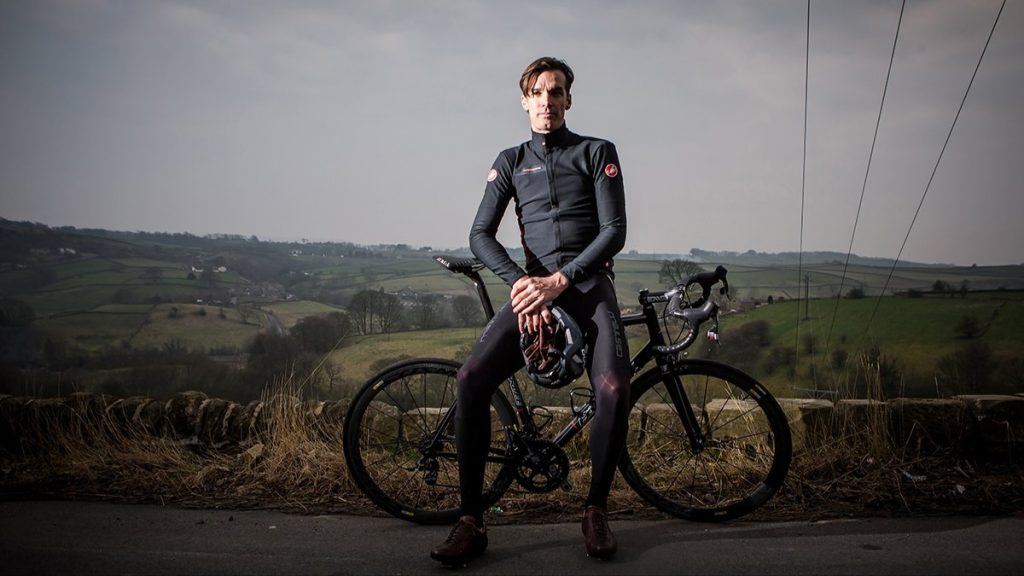
Cyclist David Millar PHOTO/Denver Post
David Millar is a Scottish former professional road racing cyclist, born on January 4, 1977, in Mtarfa, Malta, where his father, Gordon Millar, was stationed as a pilot in the Royal Air Force.
His mother, Avril, worked as a teacher, and the family, both of Scottish descent, relocated frequently due to his father’s military career, first to RAF Kinloss in Scotland and then to Aylesbury, northwest of London.
When Millar was 11, his parents divorced, and his father moved to Hong Kong to work for Cathay Pacific, prompting Millar to join him there at age 13.
In Hong Kong, he initially raced BMX bikes before transitioning to road cycling at 15, training early mornings to avoid traffic.
At 18, he moved to France to pursue a professional career, signing with the Cofidis team in 1997.
Known for his time-trial prowess and flamboyant style, Millar became one of Britain’s most prominent cyclists, wearing the leader’s jerseys in all three Grand Tours.
Siblings
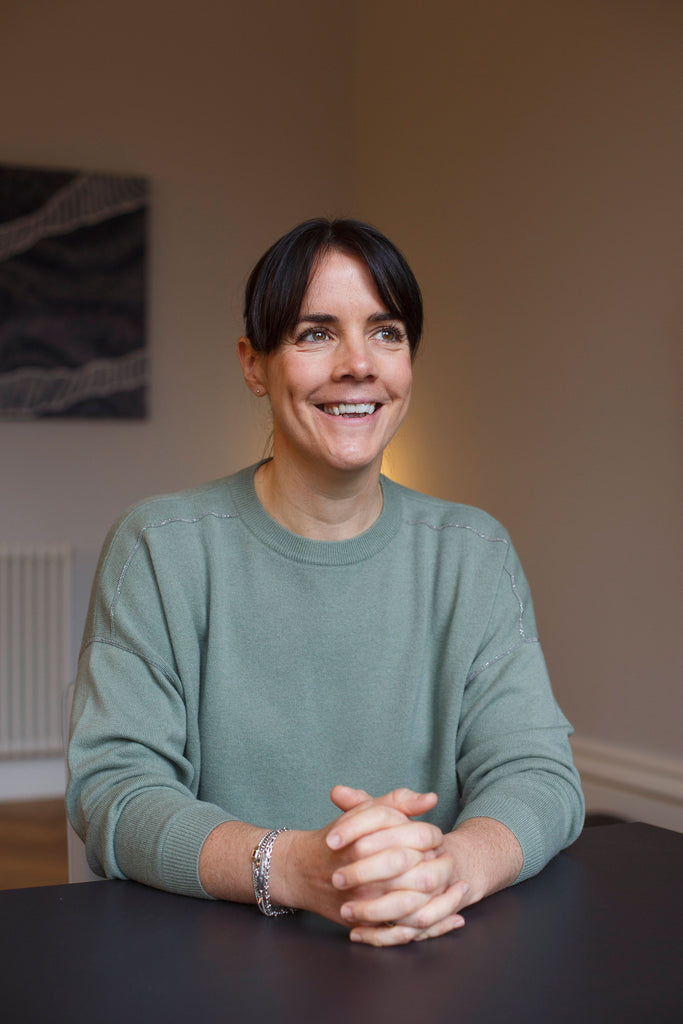
David has one sibling, his younger sister Frances Millar, commonly known as Fran.
Born into the same Scottish family, Fran has carved out her own prominent path in the cycling world, though behind the scenes rather than on the bike.
She began her career as a sports agent and played a pivotal role in the founding of Team Sky (now Ineos Grenadiers) in 2009.
Fran later served as CEO of the British fashion brand Belstaff before returning to cycling as the chief executive officer of Team Ineos, where she oversees one of the sport’s most successful squads.
Career
Millar’s professional cycling career began promisingly in 1997 when he joined the French Cofidis team at age 20, quickly establishing himself as a time-trial specialist.
In his debut Tour de France in 2000, he won the prologue, donning the yellow jersey and becoming the first Briton to lead the race since 1955.
Also Read: Miguel Induráin Siblings: Meet Prudencio, Isabel, María Dolores and María Asunció

Early successes included stage wins in the Vuelta a España in 2001 and the Tour de France in 2002, alongside silver medals in the world time-trial championships in 2001.
However, his career hit a devastating low in June 2004 when French police raided his apartment, uncovering used syringes containing EPO and cortisone.
Millar confessed to doping in 2001 and 2003, citing stress from close defeats, and received a two-year ban, losing his contract with Cofidis and plunging into depression and alcohol abuse.
Supported by family and friends, including British Cycling’s David Brailsford, he returned in 2006 with Saunier Duval, racing cleanly and rebuilding his reputation.
Joining Garmin-Sharp in 2008 marked a resurgence; he won stages in all three Grand Tours, including the Giro d’Italia prologue in 2011, where he briefly held the maglia rosa.
Millar wore the yellow jersey again in 2012 after a Tour de France stage win and captained British teams at world championships and the 2012 Olympics, though a British Olympic Association doping ban prevented his participation.
As an elder statesman, he advocated for cleaner cycling through the Cyclistes Professionnels Associés (CPA) and mentored young riders.
Retiring after the 2014 Tour of Britain, his final competitive effort was a hill climb in October 2014, captured in the documentary Time Trial.
Accolades
Millar’s palmarès reflect a career of highs and resilience, with 10 Grand Tour stage victories: four in the Tour de France (2000, 2002, 2003, 2012), five in the Vuelta a España (2001, 2009, 2011), and one in the Giro d’Italia (2011).
He achieved the rare feat of wearing the leader’s jerseys in all three Grand Tours—the yellow in the Tour de France (2000, 2012), the red in the Vuelta a España (2001, 2009), and the pink in the Giro d’Italia (2011)—making him the only British rider to do so.
Millar earned two silver medals in the UCI Road World Championships time trial (2001, 2010) and secured British national titles in the road race, time trial, and pursuit disciplines.
Additional honors include victories in the Tour of Denmark (2001), Circuit de la Sarthe (2001), and Mi-Août en Bretagne (1997), plus a gold medal in the Commonwealth Games time trial (2014) and a bronze in the road race.
His post-ban advocacy earned him recognition as cycling’s “elder statesman,” and his autobiography Racing Through the Dark (2011) became a bestseller, influencing anti-doping reforms.
Millar’s contributions extended to team successes, such as Garmin-Sharp’s 2011 Giro team time-trial win, cementing his status as one of Britain’s most accomplished cyclists despite the shadows of his past.

