

DCI dismisses Gachagua claims, warns of possible legal action

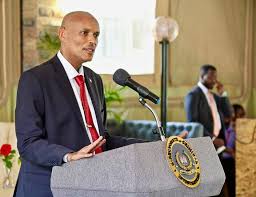
DCI Director Amin
The Directorate of Criminal Investigations (DCI) strongly dismissed allegations made by former Deputy President Rigathi Gachagua, terming them false, malicious and intended to undermine public confidence in the country’s top investigative agency.
Gachagua claimed some money recovered from the homes of top energy officials was taken to a big office. This, he said was meant to spoil the case being investigated.
In a statement issued Sunday, the DCI said remarks made by Gachagua during an Easter service at AIPCA Gakoe Church in Gatundu North regarding an ongoing probe into the suspected irregular procurement of fuel cargo lacked any factual or evidentiary basis.
The agency insisted that all evidence and exhibits connected to investigations involving the Ministry of Energy and Petroleum are being handled professionally and in strict adherence to the law and internal procedures.
“The allegations levelled against the DCI are false, unfounded and malicious… and are clearly intended to undermine public confidence in a key national law enforcement institution,” the statement read.
The DCI emphasised that it remains an independent and impartial body guided by the Constitution and the rule of law, adding that it will not be distracted by political attacks as it carries out its mandate.
At the same time, the agency revealed that it is reviewing the full contents of Gachagua’s speech, including remarks delivered in the Gikuyu language, to determine whether they violate provisions of the National Cohesion and Integration Act or the Penal Code.
The law enforcement body warned that it would take appropriate action if any offences—such as hate speech, ethnic contempt or incitement—are established, regardless of the individual involved.
The statement comes amid heightened political tensions surrounding the fuel importation probe, which has drawn scrutiny over operations within the energy sector.
The DCI urged Kenyans to remain calm and reject divisive rhetoric, noting that the Easter season should be a time for unity and reflection rather than political discord.

