

DCP Gains Ground as ODM, UDA Support Declines Ahead of 2027 Poll, TIFA Survey Shows

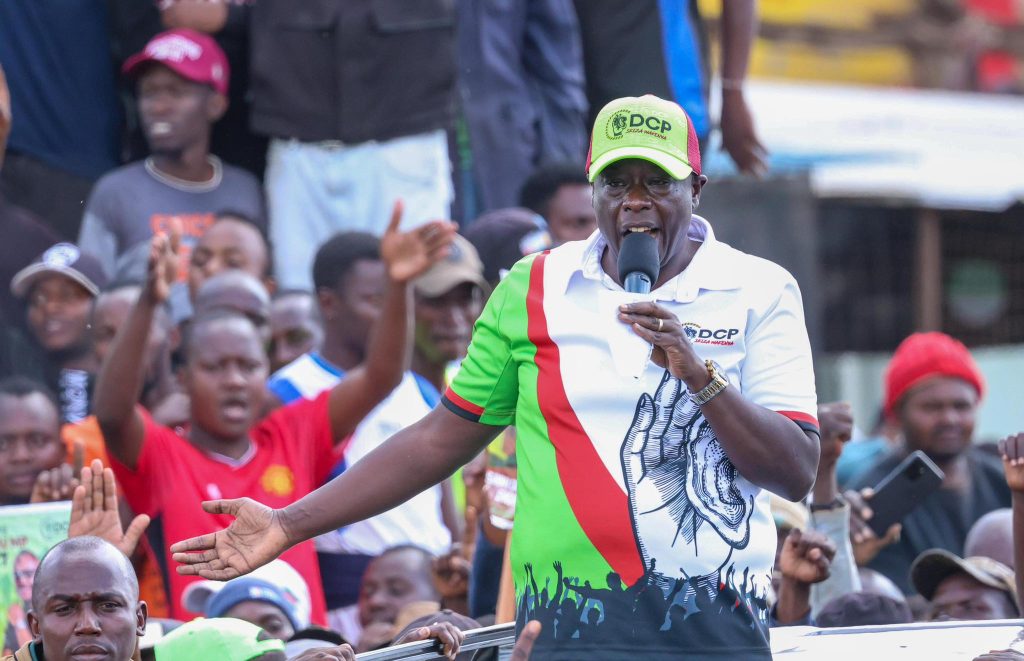
A new national survey has revealed shifting political loyalties ahead of the 2027 General Election, with support for both the ruling party and the main opposition declining as the Democracy for Citizens Party (DCP) gains momentum.
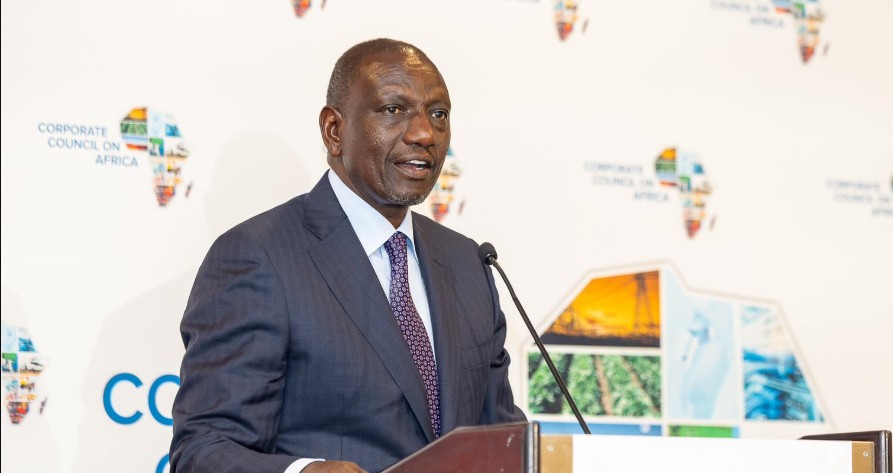
According to the latest national survey by the Trends and Insights For Africa (TIFA), released on May 14, 2026, findings point to a significant drop in support for both the Orange Democratic Movement (ODM) and the United Democratic Alliance (UDA) compared to their August 2022 levels.
The survey, titled Current Political Alignments and 2027 Election Prospects, attributes the trend to possible voter fatigue, changing political loyalties and growing uncertainty within the country’s political landscape.
At the same time, the survey highlights the rise of the Democracy for Citizens Party (DCP), whose support increased from 9 per cent in September 2025 to 16 per cent in May 2026.
In statistical terms, ODM, UDA and DCP are now nearly tied in popularity, polling at 18 per cent, 17 per cent and 16 per cent respectively, figures that fall within the survey’s margin of error of plus or minus 2.18 per cent. Jubilee Party ranked fourth with 11 per cent support.

TIFA noted that DCP’s rise is particularly significant, having grown sharply over the last eight months, especially since November 2025 when it stood at just 6 per cent. During the same period, the proportion of Kenyans who said they did not support any political party dropped from 41 per cent in August 2025 to 24 per cent currently.
Regionally, political support largely mirrors the strongholds of party leaders, although UDA emerged as most popular in Northern Kenya.
The survey found that the Wiper Democratic Movement enjoys its strongest backing in the Lower Eastern region, attracting support from nearly two-thirds of respondents at 62 per cent. ODM recorded its highest support in the Nyanza region at 38 per cent, while DCP drew the strongest backing in the Mt Kenya region at 39 per cent.
Despite only 24 per cent of respondents declining to identify with any political party, nearly half of Kenyans surveyed said no political party “honestly” represents or serves the interests of ordinary citizens.
The findings further indicated that confidence in political parties was relatively higher among supporters of the so-called Broad-Based Government (BBG) arrangement compared to its critics, with 57 per cent of BBG supporters saying parties serve citizens’ interests, against 36 per cent among opponents.
The report also pointed to growing tensions within ODM over its working relationship with President William Ruto’s administration under the Broad-Based Government arrangement.

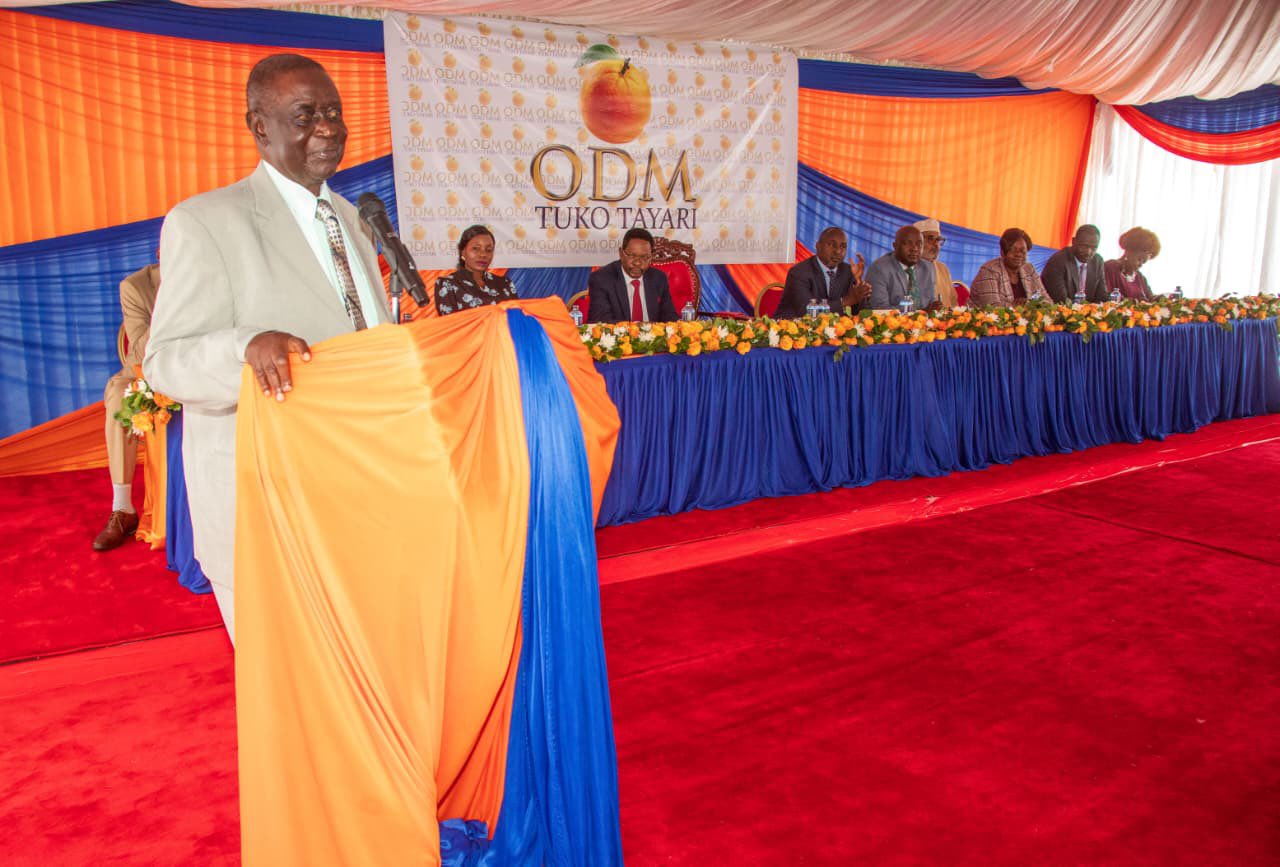
“ODM supporters appear to favour a more independent, people-centred opposition approach rather than closer cooperation with the government. The strong backing for the ‘Linda Mwananchi’ faction suggests growing grassroots preference for leaders perceived as defending public interests and holding government accountable,” the report states.
TIFA noted that while the political arrangement between President Ruto and the late former Prime Minister Raila Odinga initially appeared popular, it has increasingly generated unease among sections of their traditional support bases, particularly within ODM.
The pollster said uncertainty remains over whether the cooperation between ODM and UDA was a short-term political arrangement aimed at stabilising the government following the June 2024 Gen-Z protests or a longer-term alliance that could extend beyond the 2027 election.
The report also highlighted internal divisions within ODM, where differing views have emerged over the party’s future direction and relationship with the ruling coalition.
ODM leader Oburu Odinga has publicly backed continued cooperation with the Broad-Based Government, while a dissenting faction led by Nairobi Senator Edwin Sifuna, alongside Siaya Governor James Orengo and Vihiga Senator Godfrey Osotsi, has criticised both the leadership transition process and ODM’s continued partnership with UDA.
The dissenting leaders reportedly boycotted a recent three-day ODM conference in Mombasa, insisting that only a National Delegates Conference has the mandate to determine the party’s leadership succession.
Meanwhile, President Ruto has continued to signal closer ties between ODM and UDA, recently stating during a development tour in Homa Bay County that the two parties would remain “together” before and after the next General Election, though the exact nature of such cooperation remains unclear.