


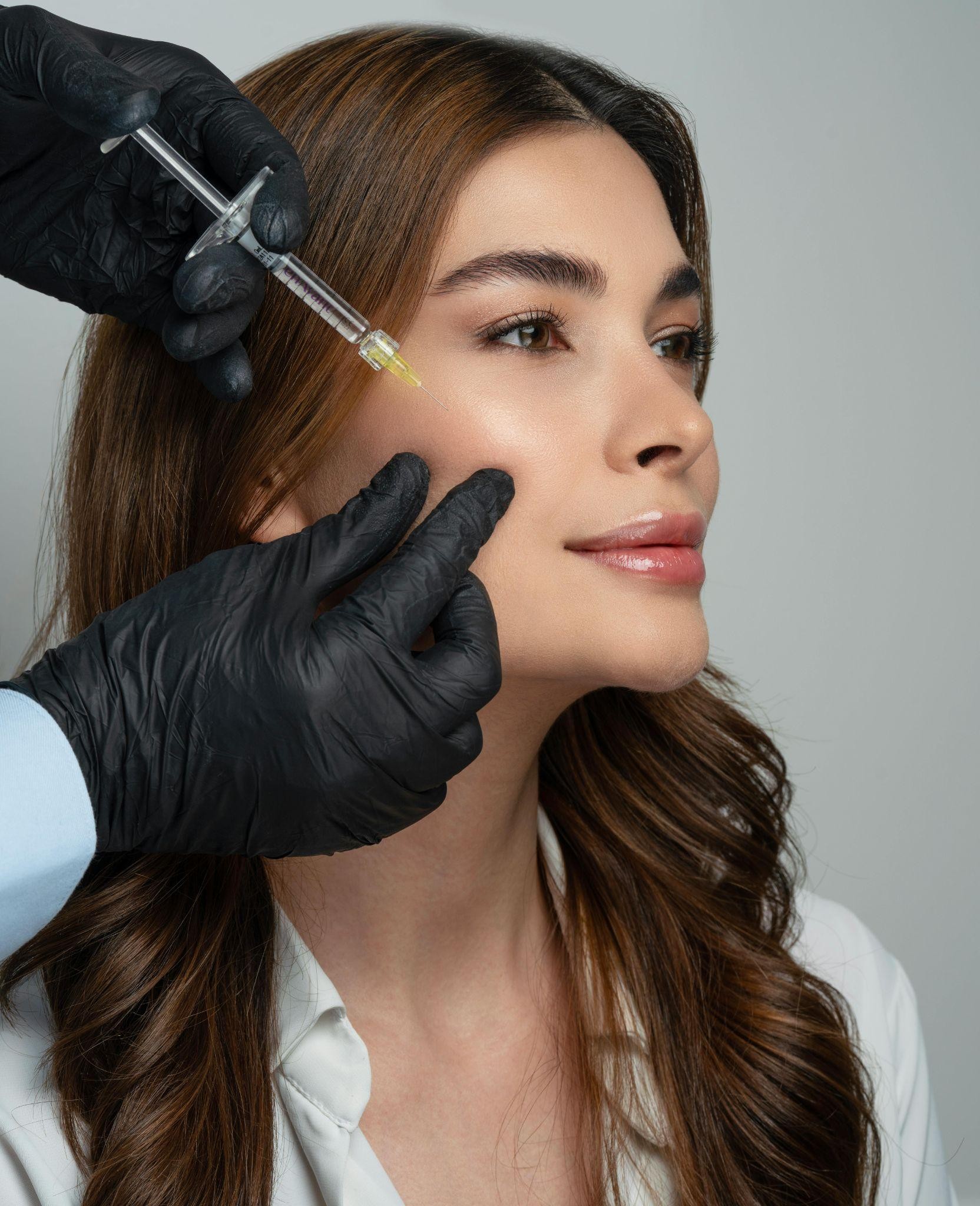
Dermal fillers have a funny reputation. Some people picture that overfilled look right away. Others assume it’s basically “instant youth in a syringe.” Reality sits in the middle. Fillers are tools. Useful ones. Sometimes subtle, sometimes dramatic, depending on the plan, the product, and the person holding the needle.
And here’s the part that matters most: “natural” isn’t a product. It’s a strategy. Small choices stacked together. Placement. Amount. Timing. Restraint. Plus an honest conversation about what you actually want to see when you look in the mirror.
What dermal fillers actually do (in plain terms)
At the simplest level, fillers add support under the skin. That support can do a few different things:
- Restore softness where volume has thinned out: cheeks that feel flatter, under-eyes that look more hollow, temples that look a bit “scooped.”
- Smooth certain lines by supporting the tissue nearby: not every wrinkle, not every crease, but the ones that are partly there because the structure underneath changed.
- Refine shape: lips, chin, jawline, or nose in some cases. Not a totally new face. More like a gentle edit.
People often talk about “filling lines,” but the best results usually come from thinking bigger than the line. Why is it there? What changed around it? What’s missing? What’s pulling? What’s heavy? That’s where the natural look starts.
Who fillers are for (and who should slow down)
Fillers tend to work well for people who want improvement, not reinvention. You notice changes when you compare photos, not because strangers stop you in the street.
Fillers can be a good fit if you:
- Want to look more rested, less drawn, less “tired around the edges”
- Have a feature you’ve always wanted to refine a bit (like a weaker chin or asymmetry)
- Prefer gradual changes, spaced out, instead of one big transformation
- Are okay with maintenance and follow-up
You should pause and rethink if you:
- Want to copy someone else’s face exactly
- Feel rushed, pressured, or emotionally raw about your appearance
- Expect fillers to fix skin quality issues on their own (texture, pigment, laxity often need other approaches)
- Keep increasing volume because you’ve gotten used to your “new normal”
That last one is common. Not because people are vain. Because the brain adapts quickly. You get used to the change. Then you chase the feeling of the first reveal. A steady plan helps protect you from that loop.
The real “natural results” playbook
Natural results aren’t luck. They’re usually built on a few boring principles. Boring is good here.
1) Start with structure, not surface
A lot of overdone filler comes from treating symptoms instead of causes. A deep fold shows up, so the product goes right into the fold. It looks okay at first, then puffy later. The tissue gets heavier. The face loses its clean lines.
A more natural approach often starts by supporting the areas that hold the face up: midface, cheek support, sometimes chin projection. Then the fold softens because the surrounding area sits better. Less product. Better balance.
2) Keep the first appointment intentionally small
If you want subtle, your first session should feel almost “too conservative.” That’s the point. You can add later. Taking away is a different story.
Small amounts also let swelling settle, let you see how your face behaves, and give your injector better information for the next step. Faces are dynamic. Smiling changes everything. Talking changes everything. Natural results respect that movement.
3) Don’t ignore proportion and side profile
Front view is where people obsess. The side profile is where harmony shows up. Chin support, jawline flow, and cheek position can change the overall look more than extra volume in one specific spot. Natural results usually look like balance.
4) Timing matters more than people admit
If you do a lot at once, you can’t tell what did what. If you space treatments, you can see changes clearly. You can also stop sooner.
That’s how “I still look like me” happens.
Choosing the safest path when you’re researching products online
A big part of filler outcomes has nothing to do with what happens in the chair. It starts earlier: product quality, storage, handling, and traceability. People tend to focus only on the name on the box. But authenticity and proper sourcing are what keep things predictable.
Before you research dermal fillers online, start by comparing options and make sure to get a clear overview of what’s used in practice, plus the typical categories people look for. Here’s why that matters: when sourcing is transparent, you reduce the risk of weird surprises. Inconsistent results. Questionable batches. Products that don’t behave the way they should. Natural outcomes rely on predictability. Predictability starts with legitimate supply.
Areas people treat most often (and what “natural” means in each)
Cheeks and midface
Natural here usually means light support, not inflated roundness. The goal is often lift and softness, not bigger cheeks. The best results can look almost invisible until you compare photos side by side.
Under-eyes
This area is popular and also easy to overdo. Natural means less shadow, not a totally different eye shape. Some people are better served by skin-focused treatments or structural support elsewhere first. The under-eye is a “plan carefully” zone.
Lips
Natural lips move well. They don’t look stiff when you talk. They don’t create a shelf above the lip or blur the border. A lot of people think “natural” means “small.” Not always. It can mean the shape fits your face, and the product choice matches your tissue.
Chin and jawline
This is where natural results can look surprisingly powerful without looking obvious. Small structural changes can sharpen the overall frame. Natural means clean lines, not a heavy, swollen lower face.
Nasolabial folds
These are tricky. If they’re there because of structure changes, chasing the fold directly can look thick over time. Often better: support around it first, then a very conservative touch if needed.
What to ask in a consultation (so you don’t get talked into the wrong plan)
A good consultation feels like planning, not selling. You should walk out feeling clearer, not hyped.
Ask questions like:
- “What’s the priority area you’d treat first, and why?”
- “How much are you planning to use today, and what’s the reason for that amount?”
- “If we go conservative, what would the next step be in 2–4 weeks?”
- “What does a complication plan look like here?”
- “What result should I not expect from filler, so I don’t chase the wrong fix?”
Also, ask to see your face in motion when discussing placement. Smiling, talking, turning your head slightly. Natural results live in movement, not frozen still shots.
Common mistakes that lead to the “done” look
This part can sting a bit, but it’s useful.
- Treating every line as a problem to erase
Faces have lines. Especially expressive faces. Erasing everything can flatten personality. - Stacking product too frequently
Top-ups become habits. Then volume builds in ways you don’t notice day to day. - Chasing trends instead of your own proportions
Some look well in a photograph and wear badly in real life. Your face has its own architecture. - Ignoring skin quality
If skin is dehydrated, crepey, sun-stressed, or inflamed, filler won’t magically fix that. Skin needs its own plan.
The quiet truth about “natural”
Natural doesn’t mean nobody can tell. It means people can’t immediately name what changed. You look rested. Sharper. Softer in the right places. Still like yourself, just with the volume and balance turned back toward where you prefer it.
And if you want that kind of result, the best mindset is simple: plan in stages. Keep it conservative. Respect structure. Pick quality and predictability every time. The mirror will reward patience more than impulsive upgrades.
Email your news TIPS to Editor@Kahawatungu.com — this is our only official communication channel
