

Details of Jeffrey Epstein post-mortem released in latest files

Details of Jeffrey Epstein post-mortem released in latest files
Previously unseen photos showing Jeffrey Epstein’s body lying on a stretcher and being attended to by medics in the immediate aftermath of his death have been released by the US government.
Twenty images, many of which are too graphic to show, were published as part of a declassified FBI report into Epstein’s death in custody, as well as a post-mortem and internal prison documents.
They are among millions of documents published on Friday by the US Department of Justice (DoJ) in the latest Epstein files release.
Epstein was found dead in his prison cell on 10 August 2019. He had been held at the Metropolitan Correctional Center in New York on sex trafficking and conspiracy charges ahead of trial.
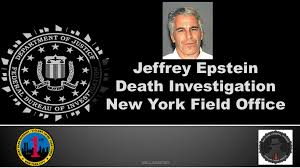
The newly released FBI report, titled “Jeffrey Epstein death investigation”, appears to be a probe into his death by the agency’s field office in New York. The 23-page report has an “unclassified” note stamped on each page.
The unredacted documents, viewed by BBC Verify, show close-up images of Epstein’s neck and visible signs of injury. They also contain details of Epstein’s post-mortem and a psychology report on his mental health in the days before he killed himself.
Several of the photos show Epstein lying on a stretcher while medics attempt to resuscitate him. They are dated 10 August 2019 with a timestamp of 06:49 local time, around 16 minutes after he was found unresponsive in his cell. The location of the photos is not clear, butEpstein was transported to a nearby hospital at 06:39 where he was pronounced dead, suggesting they were taken there.
Three other photos have notes indicating they were captured at a hospital. They show a close-up of his head and a visible injury on his neck. Epstein’s name is on each photo, but his first name is misspelled as “Jeffery” instead of Jeffrey in some of the images.
BBC Verify ran reverse image searches on the newly released photos of Epstein’s body and could not find earlier versions of them published online prior to 30 January. We also found other corroborating material released in the files, including an 89-page post-mortem report on Epstein filed by the DoJ and the Office of Chief Medical Examiner (OCME) in New York, and emails from the FBI New York field office containing the same redacted images.
Parts of Epstein’s post-mortem report by the OCME also appear in the report, including scans of two fractures on Epstein’s thyroid cartilage in his neck.
The FBI report includes a six-page timeline of Epstein’s detention at the New York Metropolitan Correctional Center from his arrest on federal sex trafficking charges on 6 July 2019 until his death. It reveals that Epstein was placed on suicide watch after he tried to kill himself on 23 July 2019. Epstein accused his cell mate – Nicholas Tartaglione, a former police officer facing murder charges – of trying to kill him at the time.
In a meeting with a psychologist the following day, Epstein said that he had “no interest in killing myself” and that it “would be crazy” to take his life, the document states. On 25 July he stated he was “too vested in my case to fight it, I have a life and I want to go back to living my life”, according to the psychologist report.
Other documents released by the DoJ show the the prison’s warden had advised that Epstein should not be housed alone and emphasised the need for “30-minute checks” on his cell and “unannounced rounds” to be undertaken.
Epstein’s cellmate was released the day before his death. On the night of 9 August the prison guards also failed to conduct checks scheduled for 03:00 and 05:00, prison documents show, and the camera system in the unit was also down. His body was discovered during a morning check carried out by staff.
A second, redacted version of the same FBI report that is only 17 pages long has also been published as part of the Epstein files. It does not include the psychologist’s report or the timeline of his detention and the images in the file are redacted. It is not clear why both redacted and underacted versions of the report have been included in the files.
The DoJ has been contacted for comment. The FBI declined to comment.
By BBC News

