

Digital Beauty: How Online Platforms Are Shaping Africa’s Skincare Revolution

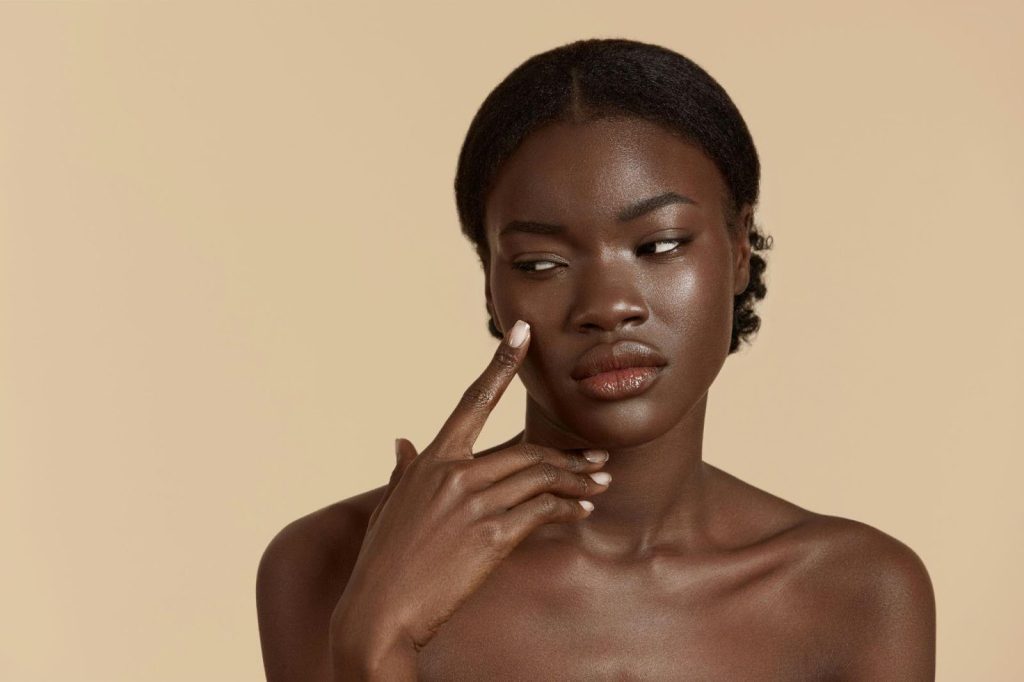
How Online Platforms Are Shaping Africa’s Skincare Revolution
The beauty industry in Africa is experiencing a remarkable transformation, one driven not by glossy billboards or celebrity endorsements, but by the digital space. Social media, e-commerce, and influencer marketing have democratized access to information, reshaping how consumers discover, evaluate, and embrace beauty.
In this evolving landscape, brands like Rennora Beauty exemplify a new kind of connection, one where technology meets authenticity. By blending accessible online shopping with educational storytelling, such brands are proving that skincare can be both personal and powerful, even across digital borders.
The Digital Shift In African Beauty Culture
For decades, beauty trends across Africa were often imported, driven by Western ideals and global brands. But as smartphone penetration and internet access have expanded, the narrative has changed. Local audiences are shaping their own beauty standards, amplifying indigenous ingredients, and supporting homegrown brands that understand regional needs.
Instagram, TikTok, and YouTube have become modern beauty counters, places where tutorials, product reviews, and ingredient breakdowns reach millions of viewers. This digital ecosystem has given rise to beautyfluencers who guide purchasing decisions through authenticity and relatability, not glossy perfection.
The result? A beauty movement that celebrates individuality and inclusion, where African consumers demand transparency and cultural relevance.
Empowering Local Brands Through Online Visibility
Online platforms have leveled the playing field for smaller African brands. Where once only global giants dominated distribution channels, today even niche companies can find loyal audiences through consistent online engagement.
Rennora Beauty, for instance, demonstrates how a brand can thrive by cultivating genuine relationships with its community. Rather than relying solely on traditional marketing, it uses digital storytelling, blog content, behind-the-scenes videos, and social posts, to convey values of confidence and care.
This model mirrors broader trends seen across the continent: Nigerian skincare start-ups on Instagram, Kenyan organic brands selling through TikTok Shop, and South African entrepreneurs leveraging Shopify to reach global audiences. Each success story underscores the same truth, the internet has made beauty borderless.
Data, Discovery, And The Rise Of Smart Consumers
With digital access comes empowerment. African consumers are becoming more discerning, using online reviews, ingredient checkers, and skincare forums to make informed choices. The power dynamic has shifted: brands must now earn trust through education and transparency.
According to Statista, over 430 million Africans are active social media users in 2025, a number expected to rise sharply in the next five years. This digital literacy translates into higher expectations, customers want more than claims; they want clarity on formulation, ethics, and environmental impact.
For beauty companies, this means that success depends as much on communication as on product quality. Digital platforms offer endless opportunities for storytelling, but they also hold brands accountable.
Social Commerce And Influencer Authenticity
Social commerce, the integration of shopping features directly within social media, has turned discovery into instant conversion. Consumers no longer need to switch between apps; they can watch a skincare reel, tap for product details, and buy within seconds.
However, the heart of this transformation lies in authentic influencers who represent the real face of African beauty. Instead of traditional advertising, brands are now collaborating with creators who share honest skincare journeys. Their relatability fosters deeper trust and engagement than any celebrity campaign could.
As a result, online beauty communities feel more personal. Consumers connect not just with products but with people, forming digital tribes built around shared values and routines.
Bridging Beauty, Tech, And Sustainability
Technology is also transforming how beauty products are developed and delivered. From AI-powered skincare analysis tools to virtual try-on apps, digital innovation is enhancing personalization.
At the same time, the demand for sustainability is growing louder. Many African consumers now prioritize eco-friendly packaging and ethically sourced ingredients. This mirrors the global movement toward conscious consumption. According to the United Nations Environment Programme, sustainable beauty practices, such as biodegradable packaging and natural formulations, are becoming key drivers of consumer loyalty.
Forward-thinking brands combine both: digital convenience and environmental mindfulness. They understand that modern beauty is not just about how we look, but how our choices impact the world around us.
The New Era Of Beauty Empowerment
Digital beauty isn’t just about algorithms and aesthetics; it’s about access and agency. The ability to research, engage, and purchase online empowers consumers to shape their own narratives.
For African entrepreneurs, this presents a rare opportunity to build brands that reflect the continent’s creativity and diversity, while leveraging global reach through technology.
As brands like Rennora Beauty show, the future of skincare lies at the intersection of digital innovation, cultural authenticity, and human connection. Online platforms have not only reshaped how products are sold, but also how beauty itself is defined, confident, conscious, and proudly local.
Because in the digital age, beauty is no longer about imitation, it’s about representation. And Africa is ready to lead that revolution.

