

Doctors and civil servants’ unions demand overhaul of SHA

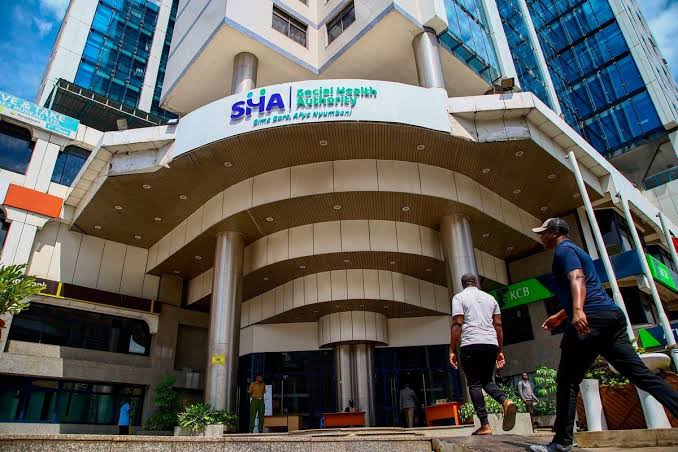
The Kenya Medical Practitioners, Pharmacists and Dentists Union (KMPDU) and the Union of Kenya Civil Servants (UKCS) want a total overhaul of the Social Health Authority (SHA).
They said patients are suffering while seeking medical care in facilities across the country.
On Tuesday, the two unions also issued a two-week ultimatum, threatening nationwide protests by civil servants from both county and national governments if their concerns are not addressed.
Led by KMPDU Secretary General Davji Atela and UKCS Secretary General Tom Odege, the unions criticized SHA’s inefficiency and accused the government of failing to follow through on its promises regarding the scheme.
They said more than five million Kenyans are at risk of missing critical medical services due to the ineffective systems in place at SHA.
“The current leadership at SHA is weak, and for its success, leadership must be changed,” said Atela.
“Public servants are contributing twice to the medical scheme, yet they are not receiving services commensurate with the deductions. We cannot sit and watch our members continue fundraising for medical expenses while their contributions are being mismanaged,” Odege said.
The unions also accused the government of promoting a system that benefits a select few at the expense of the nation’s workers.
They called for an immediate refund of deductions made from civil servants, arguing that they have not been receiving the promised healthcare services.
Nyandarua Senator John Methu joined UHC staff outside Parliament, echoing the unions’ frustrations.
He criticized the government for misplaced priorities, citing the president’s recent Sh20 million donation to a Roysambu church and a further promise of Sh100 million, while critical sectors such as healthcare remain underfunded.
“We are giving the government two weeks to address these issues,” said Atela. “If no action is taken, it will not be business as usual — we will call for nationwide protests to demand the change our members deserve.”
Many government and non government officials have admitted the SHA system has many challenges and want them addressed immediately.
The system has faced intense scrutiny after Auditor General Nancy Gathungu revealed that, despite massive public investment, the state neither owns nor controls the system. “The ownership of the system, system components, and all intellectual property rights shall remain in the ownership of the consortium,” Gathungu noted in the report, warning that this severely limits the government’s authority and oversight. This arrangement means that Kenya’s Social Health Authority (SHA) contributions and claims from health facilities will be used to fund a system that the State does not own, which the Auditor General describes as posing a significant risk to public funds and healthcare delivery.
The report says the procurement process did not include competitive bidding, instead sourcing the contractor directly through a Specially Permitted Procurement Procedure, which is a clear violation of Article 227(1) of the Kenya Constitution 2010.
“This process was contrary to Article 227(1) of the Constitution, which requires a fair, equitable, tranFsparent, competitive and cost-effective way of acquiring goods and services,” Gathungu stated.
According to the report, the project was also excluded from the procurement plan and the medium-term budgetary expenditure framework, which violated Section 53(7) of the Public Procurement and Asset Disposal Act of 2015.
The project’s financing model anticipates Sh111 billion in revenue over ten years, derived from SHA member contributions, health facility claims, and track and trace solution charges.
“The projected revenues include 5% to be deducted from claims made by health facilities, which has the effect of increasing healthcare costs indicative of a service charge of 5% to citizens every time they access healthcare services,” Gathungu observed in the report.