

Essential Roller Brush Maintenance for Wet Dry Vacuums

Essential Roller Brush Maintenance for Wet Dry Vacuums
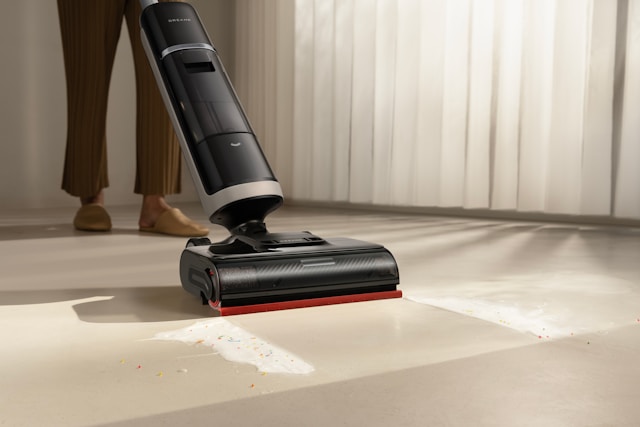
When upgrading your home cleaning arsenal, it is easy to get distracted by impressive suction statistics, massive water tank capacities, and intelligent digital displays. However, the true effectiveness of any floor cleaning machine comes down to a single, highly abused component: the motorized roller brush. This rapidly spinning cylinder of fabric and bristles is the only part of the machine that actually makes physical contact with your floors. If this roller is compromised, the entire expensive extraction system fails. While you might rely on the best robot vacuum and mop to handle the passive daily sweeping in the background, a dedicated upright extraction machine is designed to tackle your heaviest, stickiest culinary disasters. Because this heavy-duty machine is dealing with raw eggs, spilled syrup, and muddy footprints, its roller brush absorbs a tremendous amount of biological waste. Maintaining this component is not just about aesthetics; it is about preventing mechanical failure and stopping foul odors from invading your kitchen.
The Dangers of Tangled Hair and Mechanical Strain
The most common enemy of a motorized floor roller is not sticky syrup or heavy mud, but rather long human hair and loose pet fur. Spinning at thousands of revolutions per minute, the brush naturally sweeps up long strands of hair. Instead of being sucked up into the dirty water tank, these long hairs often wrap themselves tightly around the plastic core of the spinning cylinder. Over the course of a few weeks, this hair acts like a tourniquet. It compresses the soft microfiber material, drastically reducing the roller’s ability to absorb water and scrub the floor.
More importantly, heavily tangled hair places immense physical strain on the internal drive motor. The motor has to work twice as hard to spin a bound roller, which rapidly drains the battery life and can eventually cause the motor to overheat and burn out completely. To prevent this, you must physically inspect the roller housing on a weekly basis. Remove the plastic cover and look for tight bands of hair wrapped around the cylinder. Never try to pull these hairs out by force, as you will rip the microfiber fabric right off the plastic core. Instead, take a pair of scissors and carefully run the blade down the horizontal length of the roller, snipping the tight bands before gently pulling the loose hair away.
Utilizing Self-Cleaning Base Stations Effectively
Modern engineering has drastically reduced the amount of manual scrubbing required to keep these machines sanitary. If you invest in the best wet dry vacuum, it will almost certainly come with a powered docking station that features an automated self-cleaning cycle. After you finish sucking up a spilled bowl of cereal or washing a muddy hallway, you place the machine onto its charging tray and press a single button. The machine automatically floods the roller housing with fresh water from the clean tank and spins the brush at maximum velocity. This violent agitation throws the trapped food particles, grease, and dirty water off the bristles and immediately sucks them up into the wastewater tank.
This automated cycle is a phenomenal convenience that saves you from washing a greasy roller by hand in your kitchen sink. However, you cannot rely on it blindly. The self-cleaning cycle is highly effective at removing loose debris and liquid syrups, but it cannot remove tightly wound hair or large, solid pieces of debris that have wedged themselves behind the plastic scraper blade. You should always run the self-cleaning cycle immediately after every single use, but you still need to physically pop the hood once a week to ensure no hidden blockages are restricting the water flow.
Preventing Mildew and Odor Buildup
The single biggest mistake homeowners make with extraction hardware is leaving a damp roller inside a dark, enclosed plastic housing. When you finish cleaning the kitchen and run the automated self-cleaning cycle, the roller brush is left incredibly clean, but it is also left soaking wet. If you leave that wet roller attached to the machine and pushed directly up against the plastic chassis, the trapped moisture has absolutely nowhere to evaporate.
Within twenty-four to forty-eight hours, that trapped moisture will begin to breed mold and anaerobic bacteria. The next time you turn the machine on, the exhaust fan will blast the foul smell of stagnant mildew across your entire house. The solution to this problem requires only five extra seconds of effort. After the self-cleaning cycle is completely finished, unlock the side latch, remove the damp roller from the machine, and stand it completely upright on the plastic drying rack located on the side of the base station. Standing the cylinder vertically allows ambient air to circulate entirely around the microfiber material, ensuring it dries bone-dry within a few hours and remains completely odorless.
Knowing When to Replace the Roller Completely
Even with meticulous maintenance, careful hair removal, and proper drying techniques, a motorized roller brush is fundamentally a consumable item. It is subjected to extreme friction against rough ceramic tile, sharp grout lines, and textured laminates. Over time, the plush microfiber material will naturally begin to degrade and flatten out. When the bristles become too short and matted, they no longer make adequate contact with the low points of your flooring.
You will notice that the machine leaves behind streaks of water, struggles to pick up heavy debris, and requires multiple passes to scrub away simple dried footprints. Pushing a worn-out roller across your floor is a waste of time and battery life. A good rule of thumb is to replace the roller brush completely every four to six months, depending heavily on how frequently you use the machine and the physical roughness of your floor surfaces. By treating the roller brush as a crucial, wearable component rather than a permanent fixture, you guarantee that your heavy-duty extraction hardware always delivers the flawless, streak-free performance you expect.

