

Bridges, Squares, and Skylines: Experiencing the Spirit of Western and Northern Europe

Experiencing the Spirit of Western and Northern Europe
Some journeys reveal themselves slowly; others strike you the moment you arrive. Travelling through Western and Northern Europe feels like a blend of both. Cities rise with confidence, shaped by centuries of architecture and innovation, yet they carry a warmth that encourages you to linger — on bridges, in squares, by the water, or simply among locals going about their day. These places may differ in language and landscape, but they share something unmistakable: a sense of life unfolding in public, with history and modernity leaning easily against one another.
From the bright façades of Amsterdam to the grand boulevards of Paris and the minimalist calm of Scandinavia, each city offers its own version of Europe’s spirit. And it’s in the connections between them — by rail, by river, by wandering on foot — that the story truly emerges.
Amsterdam: Bridges, Bikes, and Everyday Ease
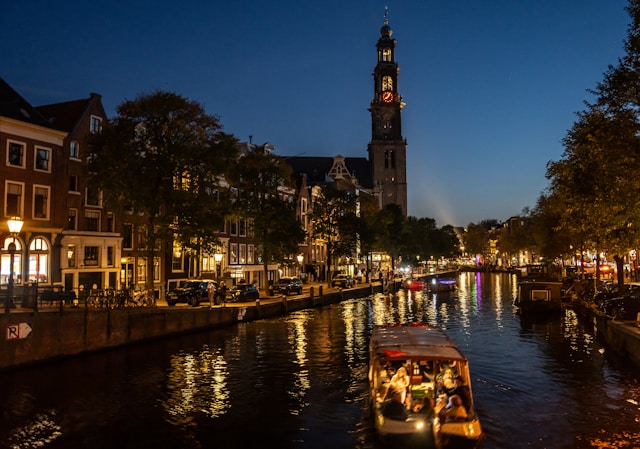
Amsterdam is one of those cities that feels immediately familiar, even if it’s your first time. Its canals form looping ribbons of water, each lined with houses tall and narrow, their gables leaning gently as if listening to the flow below. Cyclists zip past with effortless balance, bells chiming lightly as they navigate streets where cars are almost an afterthought.
Travellers tracing cultural routes through the region often begin by exploring the Amsterdam to Berlin trains, which offer a smooth introduction to how seamlessly European cities connect. The journey itself sets the tone — glimpses of Dutch fields, German woodlands, and towns that mark the quiet edges of both countries.
But before you head east, Amsterdam invites you to wander slowly. Grab a coffee by the canal. Drift into a bookshop. Watch boats slide beneath low bridges. The city doesn’t rush you; it nudges you to live as its residents do — with ease, rhythm, and appreciation for beauty found in the everyday.
Berlin: A City Defined by Layers
Berlin greets visitors with energy that feels entirely different — bigger, bolder, and endlessly expressive. History sits close to the surface here, written into memorials, architecture, and vast open squares. But modern Berlin feels just as present: creative, experimental, and buzzing with ideas.
Walk through neighbourhoods like Kreuzberg or Neukölln and you’ll notice the mix of cultures, street art, old buildings repurposed into cafés or studios, and green spaces where people gather as soon as the sun appears. The city doesn’t hide its scars or its triumphs; instead, it lets them coexist, shaping an identity that’s complex but honest.
What stays with you is Berlin’s openness — the sense that everyone belongs somewhere in this sprawling, ever-changing landscape.
Barcelona: Sunlit Streets and the Spirit of Play
Heading south brings you to Barcelona, where the Mediterranean light brightens everything it touches. Even its shadows seem warm. The city feels like a celebration of colour — in Gaudí’s mosaics, in markets bursting with fresh produce, in the way locals gather outdoors at almost every hour.
Plaza life defines Barcelona. People spill into squares for coffee, lunch, conversation or simply to enjoy the weather. Music drifts from alleyways, and the smell of seafood and paprika drifts from kitchens preparing paella or tapas.
Travellers who continue north often take the Barcelona to Paris trains, a route that connects two dramatically different cities with surprising ease. Before leaving, though, Barcelona invites you to slow down: try a late dinner, stroll the beach at sunset, or wander the Gothic Quarter where every street seems to tell a story.
Paris: The City That Refuses to Stand Still
Paris may be famous for its romance, but what’s most striking is how alive it feels. Each neighbourhood carries its own personality — Montmartre’s bohemian charm, Le Marais’ artistic edge, Saint-Germain’s quiet sophistication. Wide boulevards coexist with narrow lanes that twist between cafés and patisseries. Street corners hum with conversation. Even the Seine moves with a sense of purpose.
The city balances grandeur with intimacy: grand museums beside tiny galleries, iconic landmarks beside tucked-away squares where locals read newspapers and sip espresso. Paris doesn’t demand that you do everything; instead, it encourages you to choose one moment at a time — a walk at dusk, a long lunch, a detour through a garden just because the gate happened to be open.
Copenhagen: A Blueprint for Calm Urban Living
Travelling north reveals a different tone entirely. Copenhagen is a city where design and daily life feel gracefully intertwined. Buildings are functional yet beautiful, colours are soft, and the harbour invites people to swim in summer as if it were a natural extension of the city itself.
What stands out in Copenhagen is its calm confidence. People cycle not out of necessity but choice; cafés are filled with soft lighting and wooden interiors; and neighbourhoods feel like communities, with bakeries, parks, and shops woven into residential streets.
Even in winter, when the air stings and daylight fades early, locals embrace hygge — warmth, comfort, and togetherness. Travellers find the same sense of welcome, whether in a bustling market or a quiet corner of Nyhavn watching the reflections dance across the water.
Stockholm: A City Carved from Water and Light
Further north still, Stockholm stretches across islands connected by bridges and boats. The water here is never far away; it frames the city with a sense of openness that few capitals can match. In summer, the light lingers late, turning the façades of Gamla Stan — Stockholm’s old town — into shades of honey and rose. In winter, snow softens everything, and the city becomes almost silent under the glow of street lamps.
Stockholm’s beauty is understated but powerful. Its museums are world-class, its cafés cosy, and its parks vast and welcoming. Yet it’s the connection with the surrounding sea that truly gives the city its character. Even from the centre, you feel close to the archipelago — a cluster of thousands of islands that seem to stretch into infinity.
A Journey Defined by Connections
Travelling through Western and Northern Europe reminds you how easily movement becomes part of the experience. These cities feel distinct, yet the transitions between them — by train, by water, by quiet roads — reveal unexpected similarities. You begin to notice patterns: the importance of public squares, the pride in local food, the embrace of art and design, the way history is woven into daily life rather than preserved behind glass.
You also notice the differences — the Mediterranean warmth of Barcelona versus the Nordic composure of Stockholm, the bold creativity of Berlin versus the soft elegance of Paris. And somewhere in the contrast lies the real charm: Europe doesn’t present one identity but many, layered and endlessly evolving.
Across Cities and Skylines
What stays with you long after the journey is not just the architecture, the food or the famous sights. It’s the sensation of movement — of crossing bridges, stepping into squares, watching skylines emerge from a distance. These cities invite you to explore, but they also invite you to feel, reflect, and understand how culture shapes space.
Europe thrives on contrast, but it thrives even more on connection. And in the quiet moments — a canal at dawn, a busy square at sunset, a train window framing a passing landscape — you begin to understand the continent not as a series of destinations, but as a living tapestry stitched together by people, stories, and the journeys between them.

