

Fake M-PESA Calls: How to Spot the Scam Before You Lose Your Money

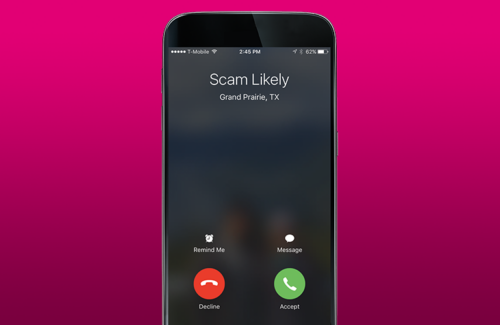
A phone rings. The caller confidently introduces themselves as a Safaricom customer care agent before delivering alarming news: your line is about to be blocked, your M-PESA account has been compromised, or you’ve won a promotion that requires immediate verification.
While the call may sound genuine, it is often the opening move in a carefully planned scam designed to steal your money.
Why Fake Customer Care Calls Work
Fraudsters know that many people trust familiar brands. They often use technical language, sound professional and create panic by claiming immediate action is required. Some even use caller ID spoofing, making their number appear similar to an official Safaricom contact.
The goal is simple: convince the victim to reveal information that can be used to access their M-PESA account.
Myth vs Fact
Myth: Safaricom Customer Care may ask for your M-PESA PIN or OTP to verify your account.
Fact: Genuine Safaricom representatives will never ask for your M-PESA PIN, PUK code or One-Time Password (OTP) through a phone call, SMS, WhatsApp or any other messaging platform.
Myth: If the caller ID looks like an official Safaricom number, the call is genuine.
Fact: Caller IDs can be spoofed. A familiar number or display name is not proof that the caller is legitimate.
Myth: Customer Care may ask you to install a remote access application to help solve a problem.
Fact: Safaricom does not require customers to install remote access apps such as AnyDesk or TeamViewer. Anyone requesting this is attempting to gain control of your device.
Myth: Your line will be blocked immediately unless you follow instructions over the phone.
Fact: Genuine account issues are communicated through official channels such as the MySafaricom App, verified SMS shortcodes or visits to authorised Safaricom shops. Legitimate support does not pressure customers into making instant decisions.
Myth: You must pay a small processing fee via M-PESA before receiving a promotion or prize.
Fact: Genuine Safaricom promotions do not require winners to send money to claim prizes.
What Genuine Customer Care Will Never Ask You
A legitimate customer care representative will never ask you to:
Share your M-PESA PIN, PUK or OTP.
Read out a verification code received by SMS.
Send money to activate, verify or unlock your account.
Install screen-sharing or remote access software.
Provide sensitive personal information together with your PIN during an unsolicited call.
If a caller requests any of this information, end the call immediately.
How to Protect Yourself
Hang up if a call feels suspicious and contact Safaricom using official customer care channels.
Never share your PIN or OTP with anyone, regardless of who they claim to be.
Verify your account status through the MySafaricom App or official USSD services instead of relying on unsolicited calls.
Report suspicious numbers to Safaricom Customer Care.
Talk to family members, especially elderly relatives, about these scams.
Stay Alert
Fraudsters don’t need to hack sophisticated systems when they can persuade someone to hand over their own security credentials. The best defence is to pause, verify independently and never allow urgency to override caution.
When it comes to protecting your money, a few moments spent confirming information through official channels can prevent devastating financial losses.

