

Family Bank Set for NSE Debut After Regulatory Approval

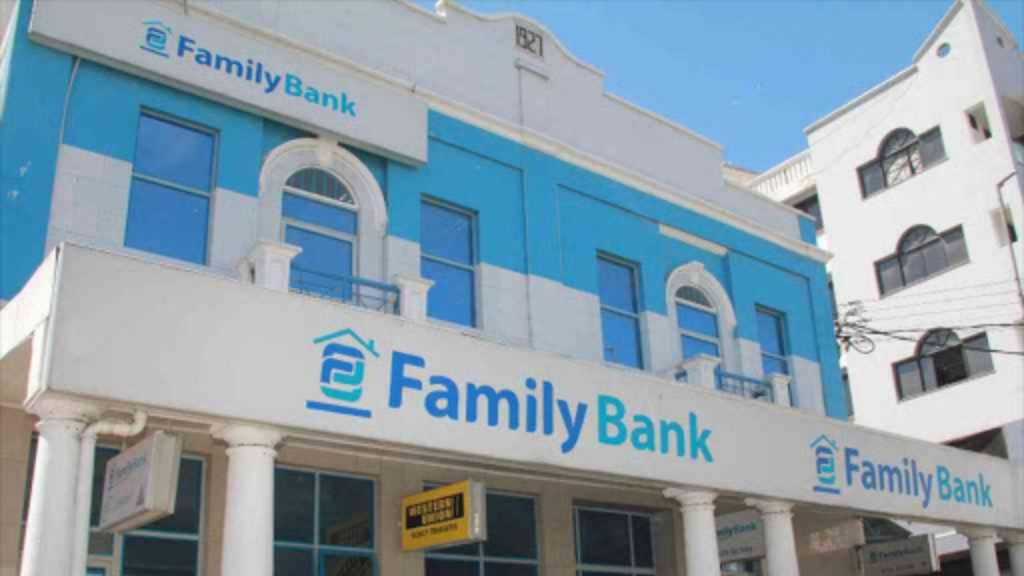
Kenya’s Family Bank will begin trading its shares on the Nairobi Securities Exchange (NSE) on June 23 after securing approval from the Capital Markets Authority (CMA), becoming the latest financial institution to join East Africa’s largest securities market.
The lender will be listed by way of introduction, a process that allows existing shareholders to trade their shares publicly without the issuance of new stock. The move is expected to enhance liquidity for shareholders while expanding investment opportunities in Kenya’s banking sector.
The listing follows a successful capital-raising exercise in 2025, during which Family Bank raised Sh8 billion through a private placement, surpassing its initial target of Sh6.09 billion by 31 per cent.
The additional capital has strengthened the bank’s balance sheet and provided resources to support its expansion plans under its 2025–2029 strategic plan.
“Through the capital raising initiatives, we have strengthened our balance sheet and remain confident in our strategy, our capital position, and our ability to deliver sustainable growth and long-term value,” said Family Bank Managing Director Nancy Njau.
“The Bank is well positioned for growth as per our 2025–2029 strategic plan anchored on being The Preferred Bank for Biashara,” she added.
The NSE debut comes amid strong financial performance by the lender. In the first quarter of 2026, Family Bank reported a net profit of Sh1.6 billion, representing a 52.6 per cent increase from the Sh1 billion recorded during the corresponding period in 2025.
The growth was supported by a 42.2 per cent increase in shareholders’ funds to Sh34.7 billion, driven by the successful private placement and improved profitability.
Market analysts say the listing is expected to raise the bank’s profile among local and international investors, improve share liquidity, and support its long-term expansion ambitions in Kenya’s competitive banking industry.
The transaction was advised by Standard Investment Bank (SIB) as lead transaction adviser, while PricewaterhouseCoopers (PwC) served as reporting accountants and Mboya Wangong’u & Waiyaki Advocates acted as legal advisers.

