

Federation Proposes National Master Plan To Reform Kenya’s Transport Sector

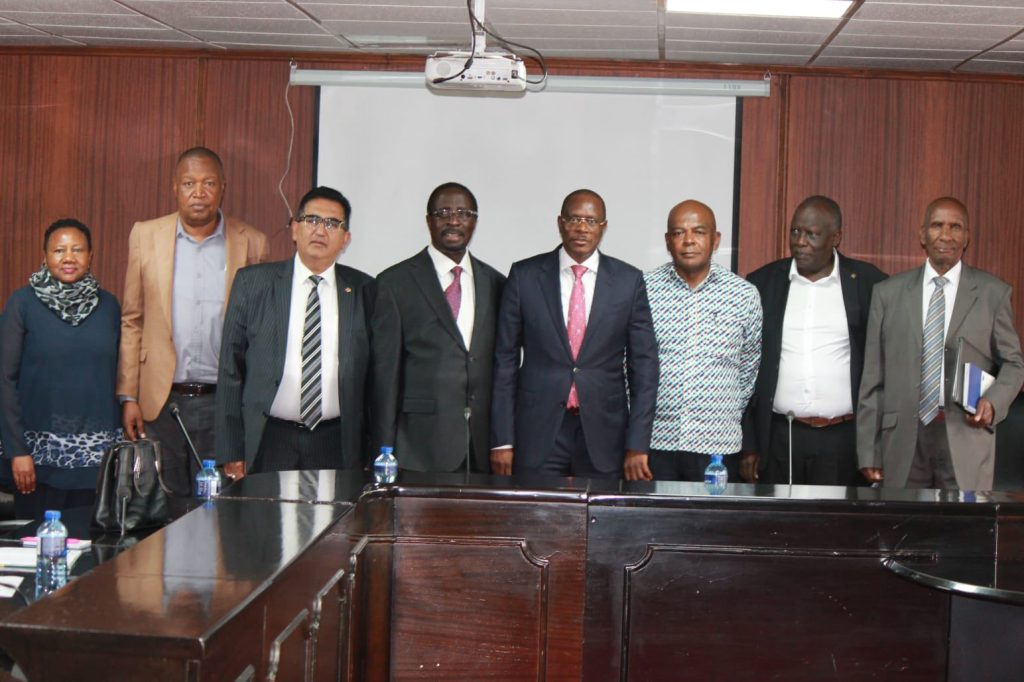
The Federation of Public Transport Sector (FPTS) has proposed the development of a National Road and Transport Master Plan to improve infrastructure and streamline public transport across Kenya.
The proposal was made during a meeting with the National Assembly’s Departmental Committee on Transport.
The Federation called for a comprehensive framework to guide the planning and development of roads, rail, air, and sea transport systems.
The plan would aim to boost efficiency, enhance connectivity, and support economic growth.
FPTS leaders highlighted major challenges in the sector, including gaps in the Public Transport Sessional Paper, poor legislation and enforcement, heavy taxation with minimal reinvestment, and frustrations with regulatory agencies like NTSA and NaMATA.
Speaking on behalf of the Federation, Edwin Mukabana stressed the urgency of the matter.
“The Master Plan would help reduce operational costs, streamline investments, and improve efficiency in public transport. It’s time we had a unified roadmap that guides the future of transport in Kenya,” he said.
The Federation also flagged concerns over the collapse of the vehicle insurance system, lack of training institutions such as a dedicated Road Transport Institute, and poor public transport infrastructure nationwide.
The Transport Committee welcomed the proposal, noting that a Master Plan would be a critical step towards strengthening institutional capacity and improving service delivery. Members stressed the need for a coordinated and inclusive approach that incorporates all transport modes and ensures sustainable mobility for both urban and rural areas.
However, MPs also put the Federation to task over issues plaguing the public service vehicle (PSV) sector. They cited indiscipline, widespread non-compliance with regulations, use of unroadworthy vehicles, and the influence of cartels that discourage fair competition and block new investors.
Lawmakers further raised concerns about road safety, pointing to recurring cases of overloading, reckless driving, and corruption, which have led to serious injuries and fatalities.
Despite the criticism, both the Committee and the Federation agreed on the importance of continued dialogue and reforms. The Committee called for broader consultations with the Ministry of Transport, regulatory bodies, and all sector stakeholders to create a unified path forward.
“This meeting has opened our eyes to the complexity of the issues, but also to the opportunities for reform,” said Committee Chairperson George Kariuki.
“With honest dialogue and coordinated action, we can transform Kenya’s public transport system for the better,” he added.
The Federation of Public Transport Sector is a national lobby group representing the interests of public service vehicle investors. Its members include the Matatu Welfare Association (MWA), Matatu Owners Association (MOA), Mt. Kenya Matatu Owners Association, Association of Bus Operators Kenya, and several other regional transport associations.