

First quarantined Ebola contacts prepare to go home

Kenya confirms third Ebola case as 127 contacts quarantined
Kenya confirmed nine cases of Bundibugyo Virus Disease (BVD), with health authorities reporting no evidence of community transmission as the country enters Day 17 of its response to the outbreak.
In an update issued on Thursday, October 22, 2026, Health Director-General Dr Patrick Amoth said all 14 samples collected and tested from alerts reported across the country in the past 24 hours had returned negative results.
The nine confirmed cases include the index patient, who died on October 5, a day before Kenya officially confirmed its first imported case on October 6.
Amoth said all the cases belonged to a single cluster, adding that the eight patients currently receiving treatment in designated isolation facilities were stable and responding well.
The group comprises four family members and four healthcare workers who cared for the first patient.
Health specialists are continuing to monitor their progress as they undergo treatment, with authorities expressing optimism that they will recover fully and eventually be discharged.
The Ministry of Health said it had successfully traced all 135 contacts associated with the index case, representing 100 per cent of the identified contacts, both within Kenya and internationally.
Relevant health authorities in the countries concerned have also been formally notified in accordance with the International Health Regulations (2005).
Amoth commended national and county contact-tracing teams, affected families, communities and development partners for their role in the exercise.
He said epidemiological investigations had established that every confirmed patient had been in close contact with the index case between October 3 and 5, before entering quarantine.
The patients subsequently developed symptoms within Ebola’s recognised incubation period of two to 21 days, a pattern consistent with transmission from the initial case.
According to the Director-General, investigations have found no evidence of infections originating from within quarantine facilities, where infection prevention and control measures have been further strengthened.
Health authorities have emphasised that each contact’s 21-day monitoring period is calculated from their last exposure. Anyone exposed to a subsequently confirmed case must be monitored from the date of that later exposure.
Kenya is preparing to release the first group of contacts who complete the mandatory 21-day monitoring period without developing symptoms.
Amoth said those who remain in good health would begin leaving quarantine from Sunday, October 25, and reunite with their families.
He urged communities, employers and neighbours to welcome the individuals back without discrimination, noting that those who have completed the full monitoring period without falling ill cannot transmit the infection.
The government said the cooperation and sacrifice of the affected contacts had played a critical role in containing the outbreak.
Nationwide surveillance and testing remain in place as health authorities work to prevent further transmission.
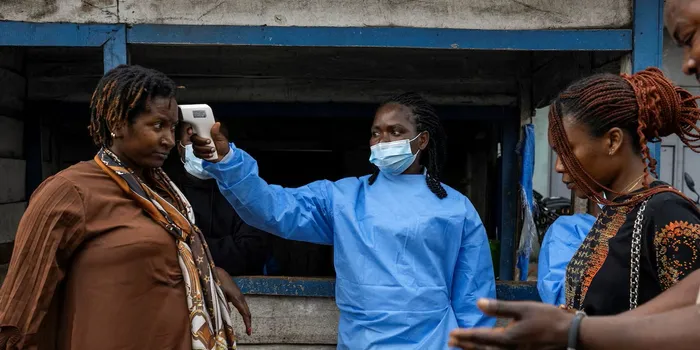
The Ministry of Health reported that 709,093 travellers had been screened at the country’s points of entry since the response began, including 3,107 in the preceding 24 hours.
A total of 461 samples have been tested since the outbreak began in May 2026.
Enhanced surveillance continues in health facilities and communities across all counties, with response teams monitoring suspected infections and investigating new alerts.
Despite the outbreak, the government has maintained that normal activities should continue, with no restrictions imposed on travel, trade or public gatherings.
The Ministry of Health has urged Kenyans to seek medical attention immediately if they develop symptoms associated with the disease, including fever, unusual tiredness, muscle or joint pain, sore throat, vomiting, diarrhoea or unexplained bleeding.
Members of the public can call 719 free of charge or contact the Jali WhatsApp chatbot on 0700 719 719 for assistance.
Amoth called on Kenyans to continue following official health guidance and cooperate with response teams, while showing compassion towards patients, contacts and healthcare workers.
He said the country was making progress towards ending the outbreak, urging the public to avoid stigma against those affected.

