

FKF admits struggle against match-fixing amid fresh coach revelations in Kenyan Premier League

FKF admits struggle against match-fixing amid fresh coach revelations in Kenyan Premier League
The Football Kenya Federation (FKF) openly conceded that it currently lacks the resources and infrastructure to effectively combat the persistent threat of match-fixing in Kenyan football, as allegations continue to surface from within the Kenya Premier League (KPL).
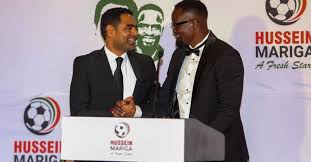
FKF President Hussein Mohammed highlighted the deep-rooted challenges hindering progress.
“Without resources, without infrastructure and without a clear development agenda, it becomes difficult to deal with match-fixing and capacity gaps,” Mohammed stated. “When resources start streaming into football, we will be able to deal with most of the challenges facing football development.”
The president’s comments follow a series of explosive revelations from coaches on the scale of the problem.
Kenya Police FC head coach Nicholas Muyoti, speaking after his team’s 2-0 victory over Bandari FC on March 1, 2026, confirmed that numerous tacticians across the league have received inducements to manipulate matches.
“We are receiving calls, even up to now, from Asia, from everywhere, receiving calls about fixing matches,” Muyoti revealed.
He described match-fixing as a “cancer eating the soul of the game,” warning that without urgent intervention, it could collapse the integrity of Kenyan football entirely.
Muyoti’s disclosure echoes earlier statements from former Tusker FC coach Charles Okere, who alleged active syndicates operating in the league, and Mathare United’s John ‘Guardiola’ Kamau, who acknowledged the vice’s existence despite questioning some claims’ extent.
In the recent years the country have seen high-profile cases, including the 2025 provisional suspension of Harambee Stars goalkeeper Patrick Matasi over leaked videos suggesting involvement in fixing an Africa Cup of Nations qualifier and league fixtures, and FIFA’s order to relegate Muhoroni Youth from the National Super League for proven match manipulation.
Critics point to slow investigation some dragging on for over five years and limited proactive measures beyond awareness banners at matches.
Stakeholders have called for stronger legislation, better referee protections, improved grassroots investment, and collaboration with authorities to address root causes like delayed payments and vulnerability to external syndicates.