


Something has shifted. You can feel it in conversations between friends, in clinic waiting rooms, even in the way women talk about their bodies online. Treatments that once sat firmly in the “cosmetic” box now live somewhere else. Closer to health. Closer to control. Closer to peace with the mirror.
2026 does not look like the early Botox era. It looks calmer. More intentional. Less about fixing and more about managing, maintaining, choosing.
Women are not chasing perfection anymore. They are negotiating with time, hormones, stress, weight, skin, energy. All at once. And the treatments shaping confidence today reflect that reality.
Confidence Has Become Practical
Confidence used to mean liking how you look. Now it feels more functional.
Sleeping through the night. Having energy without relying on caffeine. Feeling steady during hormonal shifts. Seeing your face and not being distracted by exhaustion written across it.
Aesthetic treatments still play a role, but they are no longer the headline. They are part of a wider system. One that mixes medicine, tech, prevention, and self-awareness.
That system did not appear overnight. It formed quietly through trial, burnout, and a lot of women realizing that surface-level fixes were not enough.
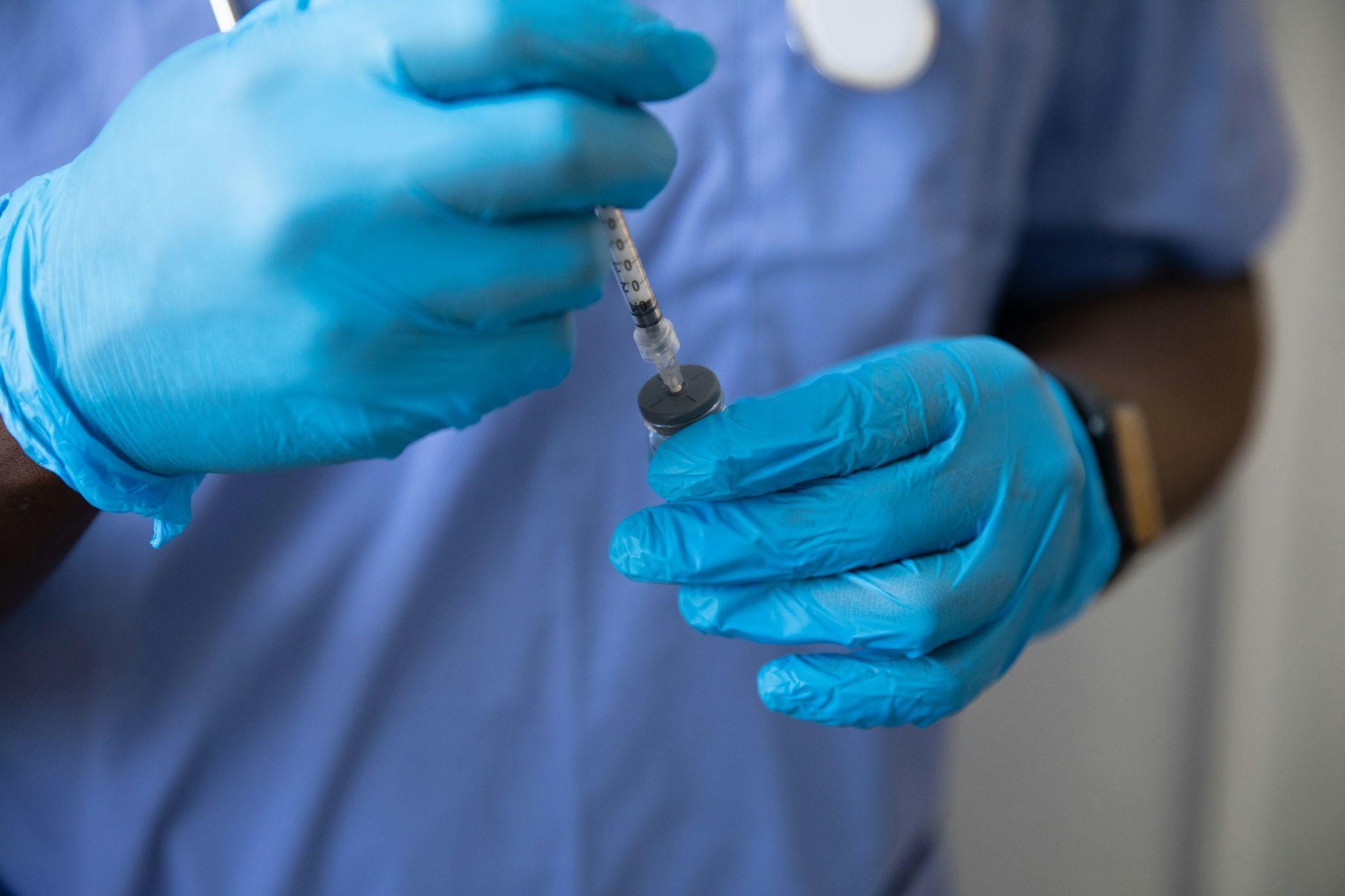
Injectables Are Still Here, Just Quieter
Injectables did not disappear. They simply changed tone.
In 2026, the goal is not obvious smoothing. It is balanced. Softening tension. Supporting facial structure rather than freezing it. Small doses, spaced out. Less dramatic results. More consistency.
Women are choosing Belotero treatments that allow movement. Expression. Familiarity. Nobody wants to look “done” anymore. They want to look rested, even if life says otherwise.
What matters now is:
- Muscle relaxation that reduces jaw tension and headaches
- Preventive use rather than correction after deep lines settle
- Personalized dosing based on lifestyle, stress, and facial habits
The conversation around injectables has matured. It feels less impulsive. More measured. Like skincare, but injectable.
Weight Treatments Are About Control, Not Extremes
Weight-related treatments changed the conversation entirely.
For years, weight loss was framed as discipline versus failure. In 2026, it is discussed as biology, hormones, appetite signaling, insulin response.
Women are no longer whispering about medical weight support. They talk about it openly. Especially mothers. Especially women over 35.
The goal is not rapid loss. It is predictability. Feeling in control of hunger. Eating without constant mental noise. Making choices without guilt.
These treatments are often paired with lifestyle changes, strength training, and nutritional guidance. The difference is subtle but important. Women do not feel like they are fighting their bodies anymore.
That shift alone has changed confidence more than any mirror-based result.
Hormone Health Has Entered the Mainstream
Hormones used to be something you discussed only when something went wrong. Fertility issues. Missed periods. Severe symptoms.
Now hormone awareness is part of everyday health.
Women track cycles, energy levels, sleep quality, mood patterns. Clinics offer testing that looks at trends rather than one-off numbers. Treatment plans respond to how life actually feels, not just lab ranges.
This matters because confidence often drops before anything looks visibly “wrong.” Fatigue. Brain fog. Irritability. Low motivation.
Addressing hormonal balance brings clarity back. And clarity builds confidence faster than any surface change.
Skin Treatments Are Moving Deeper
Topical skincare still matters. But women have learned that skin reflects internal stress, inflammation, sleep, and nutrition.
Treatments in 2026 focus on regeneration rather than resurfacing. Supporting collagen production over time. Improving skin quality, not chasing instant glow.
Energy-based devices, biostimulating injectables, and regenerative approaches are becoming standard choices. Not because they are trendy, but because they fit into long-term thinking.
Skin is no longer treated as an isolated organ. It is treated as feedback.
When women see their skin improve slowly and steadily, it reinforces patience. And patience builds trust in the process.
Mental Wellness Is No Longer Separate
One of the biggest changes shaping confidence is the disappearance of rigid boundaries.
Mental health is not separate from aesthetic care anymore. Clinics talk about stress, burnout, sleep, emotional load. Especially for women balancing work, family, and aging parents.
Treatments are chosen with mental capacity in mind. Low maintenance options. Predictable recovery. Minimal disruption.
Feeling good mentally has become a prerequisite for feeling good physically. Not the other way around.
This honesty has changed how women engage with treatments. Fewer impulse decisions. More long-term planning.
Technology Is Guiding, Not Replacing, Choice
AI, tracking tools, and digital health platforms play a role, but quietly.
Women use data to notice patterns. Skin changes during stress. Weight fluctuations during hormonal phases. Energy dips tied to sleep quality.
Technology supports awareness. It does not dictate decisions.
The result is informed confidence. Not blind trust. Women feel involved rather than instructed. That sense of agency matters more than any single treatment outcome.
Preventive Thinking Is Now Normal
Prevention used to sound clinical. Now it sounds practical.
Women in their late twenties and early thirties think about aging differently than previous generations. They invest in maintenance early, gently, without panic.
This includes posture care, muscle balance, pelvic floor health, skin preservation, metabolic support.
Nothing dramatic. Nothing extreme. Just consistent attention.
Confidence grows when the future feels manageable. Prevention offers that reassurance.
Motherhood Has Changed the Conversation
Mothers are driving much of this shift.
Post-pregnancy bodies force honesty. Time constraints demand efficiency. Mental load changes priorities.
Treatments that support recovery, energy, hormonal balance, and body comfort matter more than aesthetic perfection.
Women are choosing care that fits into real lives. Not idealized ones.
That realism has softened expectations and strengthened confidence. Acceptance without resignation.
The Redefined Goal: Feeling Like Yourself
At the core of all this change sits one idea.
Women want to feel like themselves again. Not younger. Not different. Just familiar.
Treatments in 2026 support that goal. They do not override personality. They do not create new identities. They restore baseline comfort.
Confidence today feels quieter. Less performative. More internal.
It shows up in posture. In eye contact. In decisions made without apology.
Injectables, hormones, weight support, skin therapies, tech tools. All useful. All secondary.
The real innovation is how women are using them. Thoughtfully. Selectively. On their own terms.
And that may be the most important shift of all.

Email your news TIPS to Editor@Kahawatungu.com — this is our only official communication channel
