

Gael García Bernal Siblings: Meet Tamara, Darío and José Emilio García Ríos

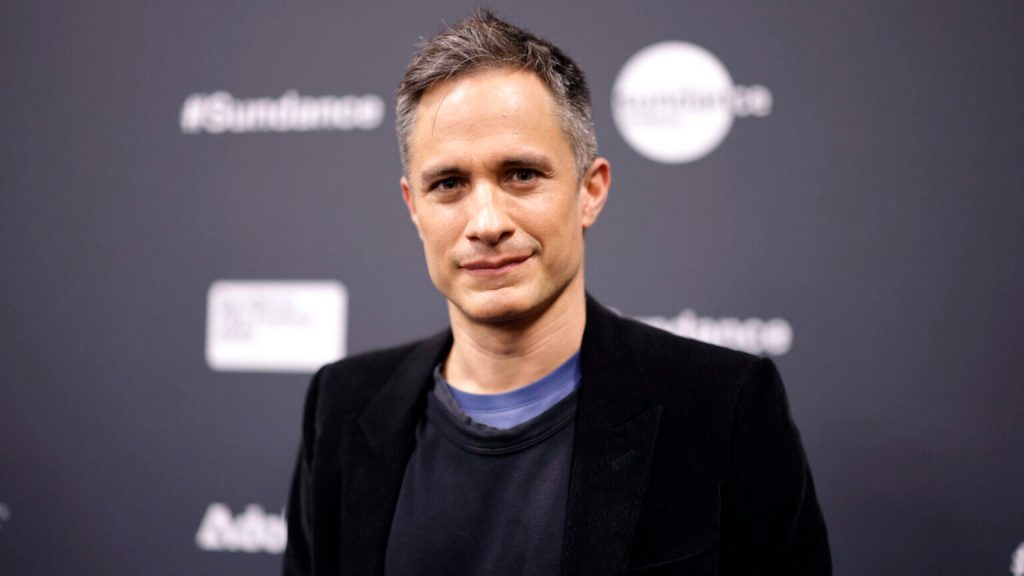
Mexican actor Gael García Bernal PHOTO/US Weekly
Gael García Bernal, born on November 30, 1978, in Guadalajara, Jalisco, Mexico, is a renowned Mexican actor, producer and director.
Raised in a family deeply entrenched in the arts, with his mother, Patricia Bernal, an actress and former model, and his father, José Ángel García, an actor and director, García Bernal was exposed to the world of performance from a young age.
His stepfather, Sergio Yazbek, a cinematographer, further enriched the artistic environment of his upbringing.
Beginning his acting career as a toddler, García Bernal appeared in theatrical productions and telenovelas, eventually gaining international acclaim through films that showcased his versatility and commitment to socially relevant storytelling.
Beyond acting, he is a passionate advocate for social and political causes, co-founding Canana Films and La Corriente del Golfo.
Siblings
Gael has three siblings; his half-brother, Darío Yazbek Bernal, born in 1990, is an actor known for his role as Julián in the Netflix series La Casa de las Flores (House of Flowers).
Darío, the son of Patricia Bernal and Sergio Yazbek, made his screen debut at 19 in the controversial film Daniel y Ana (2009), which explored the psychological aftermath of a traumatic kidnapping.
His performance garnered attention, and he has since taken on roles both in front of and behind the camera, including work as an associate producer and assistant director.
Tamara Yazbek Bernal, Gael’s half-sister and also a child of Patricia Bernal and Sergio Yazbek, is an actress who has appeared in Mexican telenovelas and films, though her career is less documented compared to her brothers.
On his father’s side, Gael has another half-brother, José Emilio García Ríos, son of José Ángel García and Carla Ríos, who is also an actor, though details about his work are less widely available.
Career
García Bernal’s career is a testament to his ability to navigate diverse roles across languages and genres while maintaining a commitment to meaningful storytelling.
His breakthrough came with Alejandro González Iñárritu’s Amores Perros (2000), a gritty drama that earned an Academy Award nomination for Best Foreign Language Film and showcased García Bernal as a compelling young talent.
Also Read: Lee Brice Siblings: All About Lewis Brice

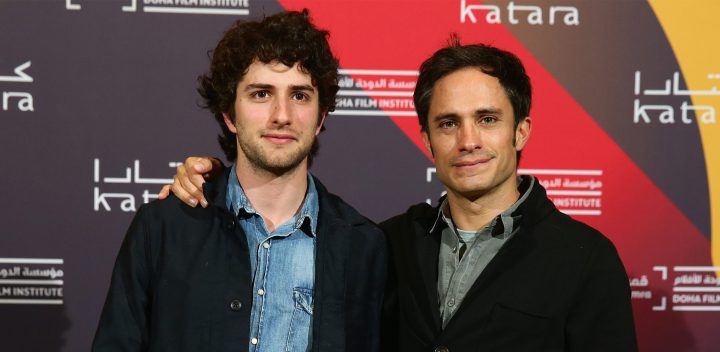
This role led to his casting in Alfonso Cuarón’s Y tu mamá también (2001), a coming-of-age road movie co-starring his childhood friend Diego Luna, which became a global sensation for its raw emotion and cultural insight.
His portrayal of a young Che Guevara in The Motorcycle Diaries (2004) further solidified his reputation, earning critical praise for capturing the revolutionary’s transformative journey.
García Bernal’s filmography spans provocative roles, such as a sexually abused altar boy in Pedro Almodóvar’s Bad Education (2004) and a drag queen in the same film, as well as lighter fare like the whimsical The Science of Sleep (2006).
He voiced Héctor in Disney Pixar’s Coco (2017), bringing emotional depth to the animated hit, and starred as a gay wrestler in Cassandro (2023).
On television, his role as conductor Rodrigo de Souza in Mozart in the Jungle (2014–2018) showcased his comedic and dramatic range.
As a director, García Bernal debuted with Déficit (2007) and has produced documentaries and films through Canana Films, including works addressing social issues like the unsolved murders in Ciudad Juárez.
Accolades
García Bernal won a Golden Globe Award for Best Actor in a Television Series Musical or Comedy in 2016 for Mozart in the Jungle, with an additional nomination in 2017 for the same role.
His performance in The Motorcycle Diaries garnered a BAFTA nomination for Best Actor in 2005, and he was recognized with a Silver Ariel Award and a Silver Hugo Award for Amores Perros.
In 2006, BAFTA honored him with a Rising Star nomination, acknowledging his growing influence.
García Bernal received the Mayahuel de Plata at the 2009 Guadalajara International Film Festival for his cinematic achievements.
In 2011, he was awarded the Washington Office on Latin America’s Human Rights Award for his work on the Amnesty International Short Documentary Series Los Invisibles, which highlighted the struggles of Central American migrants.
Time Magazine named him one of the 100 most influential people in 2016, reflecting his impact as both an artist and an advocate.