


Ghana has expressed deep concern over the escalating political and human rights situation in Tanzania following the country’s general elections held on October 29, 2025.
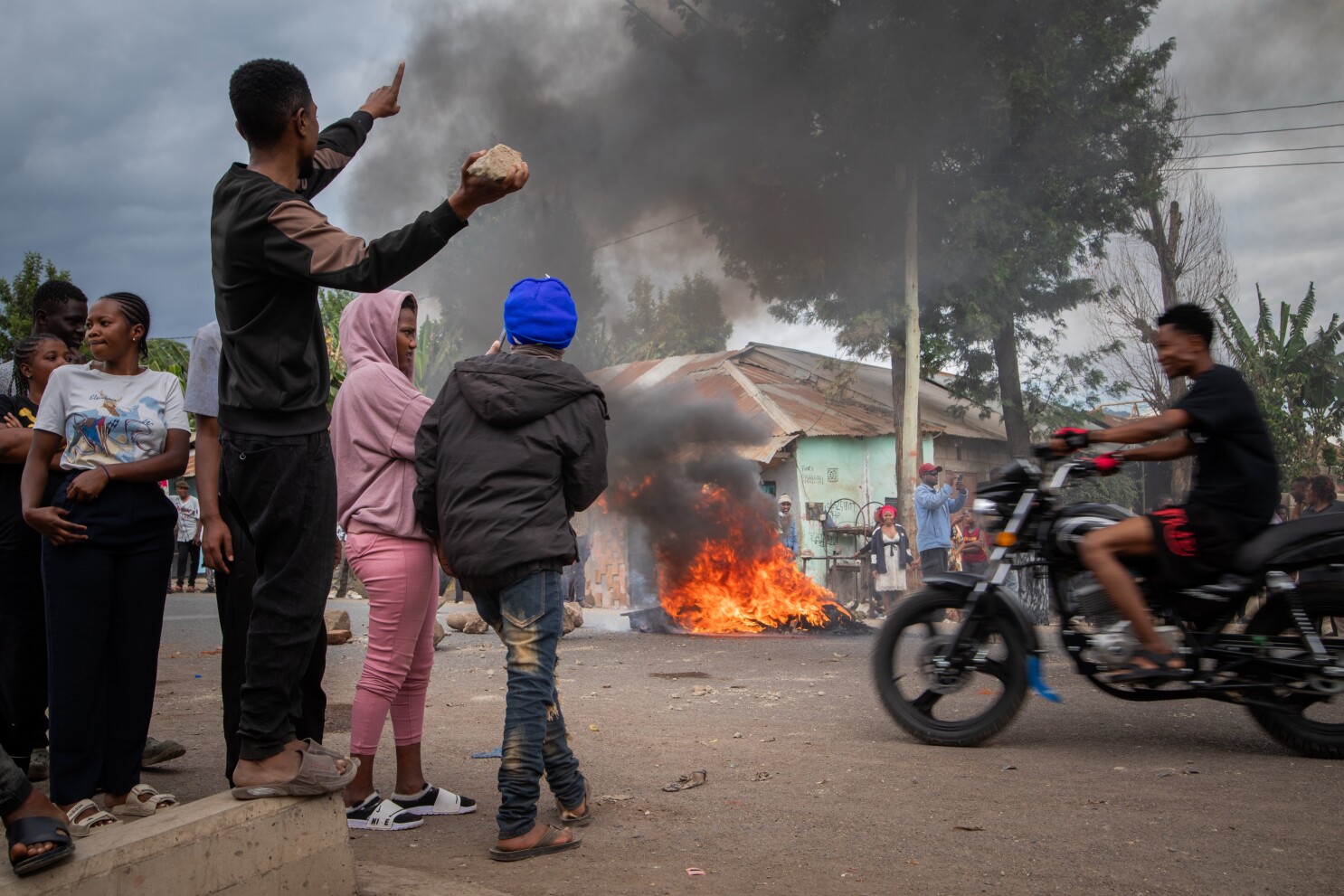
In a statement issued on Wednesday, Accra noted that the post-election period has been marred by violent clashes, loss of lives, and heightened confrontations between security forces and protesters—developments it warned could have far-reaching implications for Tanzania’s long-term stability.
Ghana conveyed its condolences to families of civilians killed during the unrest and wished a quick recovery to those injured, describing the deaths as “unwarranted violence.”
Accra also acknowledged assurances by Tanzanian authorities that they would address concerns about impunity through accountability, justice, and respect for constitutional order.
Ghana emphasized that effective policing and adherence to human rights standards must remain central to the management of public order, particularly to safeguard protesters and ensure all relevant state institutions uphold their obligations.
The statement further urged all stakeholders—including government officials, security forces, political parties, civil society actors and demonstrators—to respect the rule of law, protect democratic values, and preserve civic space essential to preventing further abuses.
As a member of the United Nations Human Rights Council, Ghana said it aligns itself with calls by the African Union, the Commonwealth, and the United Nations High Commissioner for Human Rights urging all parties to exercise maximum restraint.
It also backed demands for transparent, credible, and impartial investigations into the post-election violence to ensure due process for victims, detainees, and alleged perpetrators.
At this “critical juncture,” Ghana appealed to the international community to extend the necessary support to Tanzania as it navigates the crisis.
President Samia Suluhu Hassan Monday delivered a stern message regarding the unrest witnessed in the country on election day, saying the events were orchestrated by foreign actors seeking to undermine Tanzania’s long-standing peace and destabilize the nation’s governance.
She condemned what she described as foreign arrogance in dictating how Tanzania should manage its internal affairs, saying some countries “think they are our masters, our colonizers,” which she insisted is unacceptable.
“Who are you?” she posed.
Highlighting economic interests, President Samia said Tanzania is richly endowed — including rare minerals — making it an attractive target for foreign powers.
She noted that in the past, the country was overlooked because it was seen as poor, but now “they are drooling over our wealth.”
In her final appeal, the President called on Tanzanians to safeguard unity, peace, and national dignity.
“It should not become a curse that we fight and kill each other,” she said.
“Tanzania belongs to all of us, and we must protect it.”
Samia said outsiders “have been irritated by Tanzania’s stability” and accused them of coming “to destroy this country after destroying their own.”
She said Tanzania has enjoyed peace for many years — a state of affairs that troubles those who wish to disrupt it.
The President extended condolences to families who lost loved ones during the violence, stressing that “when one Tanzanian sheds blood, we all feel the pain.”
She noted that the disruptions, including halted business activities and property damage, reveal the magnitude of the plot behind the chaos.
Commenting on videos circulated online, Samia said the youths involved appeared to be guided and coached, “parroting and singing exactly what happened in Madagascar, to make it happen here.” She said this was part of “a wide-ranging project” intended to topple the government.
She questioned whether what took place could genuinely be called a protest, describing it instead as “orchestrated violence with specific objectives” — and raising concerns about why it occurred on election day.
“Why on the day of the election?” she asked, explaining that security forces applied force “proportionate to the situation.”
She criticised accusations of excessive force, saying that some people expected the government to “watch protesters who were ready to carry out a coup until they succeeded.”
Turning to the opposition, the President stated that they were not barred from participating in the election, but chose to withdraw for fear of embarrassment.
She claimed this decision contributed to the “excuses” that ultimately fueled the unrest. “Why during the election? What right is being demanded at that time?” she asked.
President Samia also claimed that the plan was orchestrated from outside the country, and that some Tanzanians were used due to financial constraints.
“The coordinators are funded from abroad,” she said, adding that many of those pushed into participating did not fully understand the broader objectives.
She also recalled her efforts between 2020 and 2023 to foster dialogue with the opposition, saying she extended “a hand of mercy” that was not properly received.
Addressing young people who were complaining about the cost of living, the President said, “If I could, I would send Tanzanian youths to different countries — even within Africa and in neighbouring states — to see what true hardship looks like, and then claim that Tanzania is a bad place.”
Email your news TIPS to Editor@Kahawatungu.com — this is our only official communication channel
